






Cheap Trick – I Want You to Want Me (from Budokan!)
The Label Said It Was Japan-Only. Thirty Thousand Import Copies Later, Radio Had Already Decided Otherwise. And the Song That Finally Broke Them Had Been Dropped From Their Setlist — Until Japan Asked for It Back.
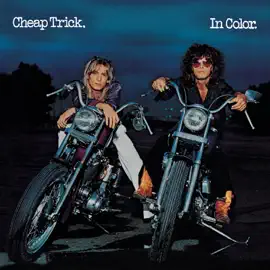
The version that changed everything almost didn’t exist. Rick Nielsen had written “I Want You to Want Me” before Cheap Trick’s first album, demoed it, and watched it get left off the tracklist. It made the second album, In Color, in September 1977 — produced by Tom Werman, who brought in session keyboard player Jai Winding and guitarist Jay Graydon to give the arrangement what he later described as a dancehall quality, a burlesque feel, like a thirties number. Nielsen had shrugged when Werman suggested the piano part: “You’re the producer,” was his reply. The studio version had finger snaps, a medium country tempo, and Robin Zander singing it with a deliberately schmalzy delivery that the band themselves considered sort of hokey pop. It was released as a single and did not chart in the United States. By 1978, the band had quietly dropped it from their live set. Then they went to Japan, and the Japanese audiences demanded it back.
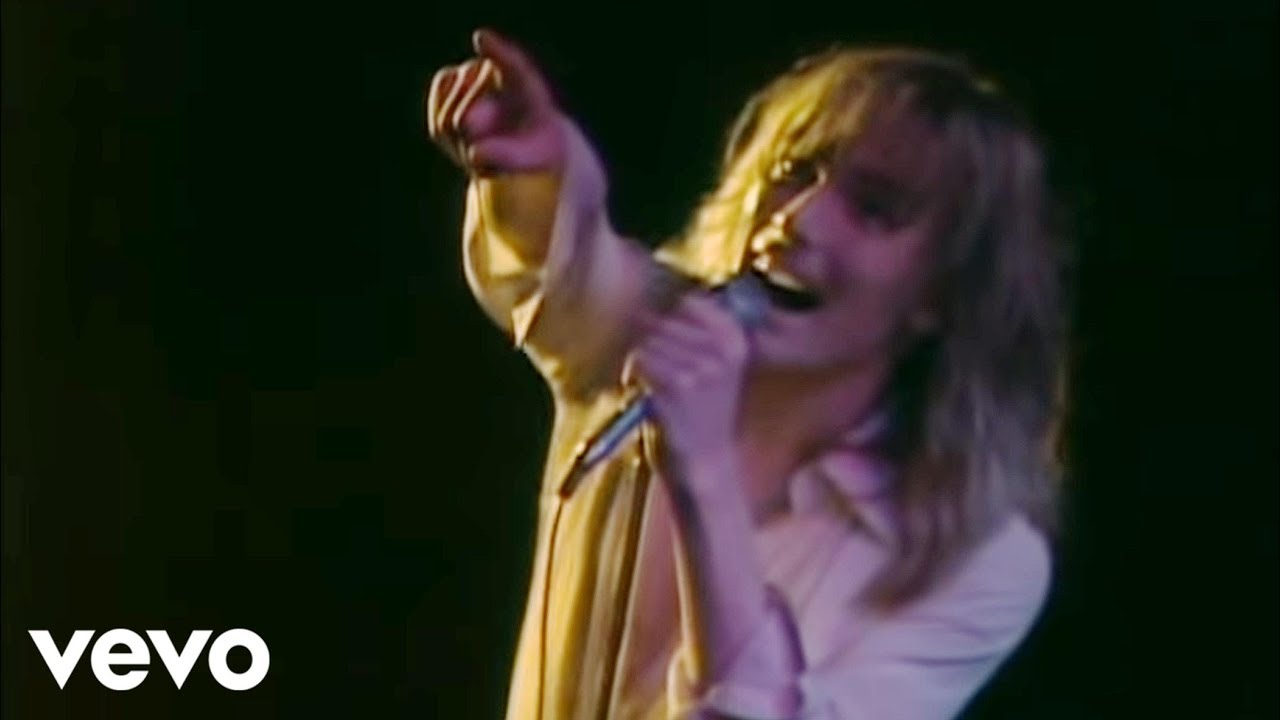
Cheap Trick had been selling records in Japan without ever having set foot in the country. All three of their studio albums had gone gold there on the strength of import sales and domestic CBS/Sony pressing alone. When the band finally flew to Tokyo in April 1978 for their first Japanese tour, they travelled coach — because nobody had told them what was waiting. The fans who met them at the airport were throwing flowers at the plane. Nielsen later recalled standing at the gate with no idea what was happening, the four of them looking at each other in complete bewilderment. The shows they played across six dates — including two at the Nippon Budokan, the venue that the Beatles had controversially played in 1966 — drew twelve thousand screaming fans per night, the noise level so sustained that it nearly drowned the band out at several points. A Japanese television special was broadcast from the April 28 concert, showing Robin Zander in an all-white three-piece suit and Nielsen slashing at his Hamer Standard prototype, the footage an equal display of showmanship and musicianship that Japan’s rock audience had been anticipating for three years.
Osaka, Not Tokyo — and Nobody Noticed for Years
The idea for a live album came from Japanese record executives at CBS/Sony, who had been recording every Epic and Columbia act that came through on a series of Live at Budokan releases — Bob Dylan and Cheap Trick were the first two scheduled for the series. The Budokan recordings were deemed unsuitable for release: the room was too large, the recording quality inconsistent, the balance wrong. Producer Jack Douglas, who worked with Nielsen and drummer Bun E. Carlos on sequencing the album, later revealed that the audio used on Cheap Trick at Budokan was not from the Budokan at all but from Osaka, a smaller venue with a better recording environment, supplemented by material from other dates on the tour. The album’s liner notes said Budokan. The album was called Cheap Trick at Budokan. The Budokan show footage went out on Japanese television. None of the audio on the record came from the Nippon Budokan in Tokyo. Nobody in the American market knew or particularly cared when they found out — the performances were real, the energy was real, and what the record captured was the truth of what Cheap Trick had become as a live act across years of relentless Midwestern club and theatre touring. The specific geography of the source tapes was a footnote. The sound was the point.
Cheap Trick at Budokan was released in Japan on October 8, 1978, designated as a Japan-only release. Epic Records issued a seven-track promotional sampler for American radio stations, titled From Tokyo to You, and considered that sufficient. Radio stations in Boston began playing the live version of “I Want You to Want Me” from import copies. Other markets followed. Record stores began stocking the Japanese pressing and selling it at import prices — Nielsen recalled buyers paying something close to forty dollars a copy, four times the domestic price — and an estimated thirty thousand import copies sold in the United States before the label had made any decision about a domestic release. When Epic finally looked at the numbers, the conclusion was obvious. Cheap Trick at Budokan was released in the United States in February 1979, with a gatefold sleeve and a twelve-page bilingual booklet, advertised in music magazines as “made in Japan but now available at lower domestic prices.” Nielsen’s private reaction when the band heard the tapes was characteristic: “We thought it sounded hideous.” The American public disagreed with considerable energy.
The Version That Won the Argument
The live recording of “I Want You to Want Me” is a demonstrably different song from the one Werman had produced in the studio. The tempo is faster — meaningfully faster — and that single change resolves every tension the studio version had created. Where Werman’s arrangement had treated the song as a period piece, a self-conscious pop parody, the Budokan version plays it as an earnest rocker, and the irony of a lyric written as intentional camp being transformed into a sincere declaration of wanting turns out not to matter at all because the crowd is already there with it before Zander has finished the first line. The two guitar solos — where the studio version had a piano fill — give the arrangement a hard rock spine that the original deliberately avoided. The echo effect on “cryin'” in the studio version is replaced in the live recording by the Osaka crowd chanting the word back, which is a trade that almost any producer would make in retrospect. The single was released from the album in 1979 and reached number seven on the Billboard Hot 100, number two in Canada, and number one in Japan for the second time. The RIAA certified it gold. The album it came from reached number four on the Billboard 200, number one in Canada, and was eventually certified three times platinum in the United States. In 2019, the Library of Congress added Cheap Trick at Budokan to the National Recording Registry, citing its cultural, historical, and aesthetic significance. Pitchfork called it one of rock’s greatest live albums and one of its most triumphant underdog tales. For the Foo Fighters, Weezer, the Smashing Pumpkins, and essentially every band that has ever tried to weld a Beatlesque melody to a power chord, Stuart Berman wrote, all roads lead back to Budokan. Cheap Trick were inducted into the Rock and Roll Hall of Fame in 2016. The song Nielsen had considered sort of hokey pop, that the band had dropped from their setlist, that a Japanese audience had demanded back, had become their signature. It had been there all along, waiting for the right room and the right twelve thousand people to show them what it actually was.
SONG INFORMATION