They let go of the producer who had made every record since 1975, then wrote the two biggest songs of their career.
Dieter Dierks had produced every Scorpions album since 1975. Lovedrive, Animal Magnetism, Blackout, Love at First Sting — the entire run that took a German club band and turned them into an act that could fill American arenas. For Crazy World they went with somebody else for the first time in sixteen years, brought in Keith Olsen, and produced the two songs that would outlast everything Dierks had made with them.
The division of labor on Send Me an Angel was the usual one. Rudolf Schenker wrote the music; Klaus Meine wrote the words. What Meine produced is a plain request for help — a man asking for guidance from wherever it might come, with no particular religion attached and no resolution offered. Scorpions had made their name on something considerably louder, and the reason this works is that Meine sings it without any of the theatricality the band’s harder material had trained him into. It is close to conversational.
Schenker takes the lead guitar himself, which is worth noting because he almost never does — Matthias Jabs plays the solos on nearly every Scorpions record, and the exceptions are a short list that includes “Wind of Change,” “Still Loving You” and this. Jabs plays rhythm and acoustic here instead. Francis Buchholz is on bass, among his last recordings with the band before he left in 1992.
Eleven months behind the album
The release sequence is worth laying out because it is unusual. Crazy World came out on November 6, 1990. “Tease Me Please Me” followed that same month, “Don’t Believe Her” in December, and Wind of Change on January 21, 1991.
Then nothing, for eight months.
Send Me an Angel did not appear until September 17, 1991 — the album’s fourth and final single, arriving eleven months after the record it came from. What happened in between is that “Wind of Change” turned into one of the best-selling singles ever released and attached itself permanently to the fall of the Berlin Wall. Any song following that was going to be following something very large.
What it did anyway
It performed better than the American chart position suggests. No.44 on the Hot 100 in January 1992 is a modest number, but it reached No.8 on Mainstream Rock the previous October, went to No.5 in Germany, and made the Top 10 in seven countries with Top 30 placings in three more. In much of Europe it is the Scorpions ballad people name after “Wind of Change,” and in some places instead of it.
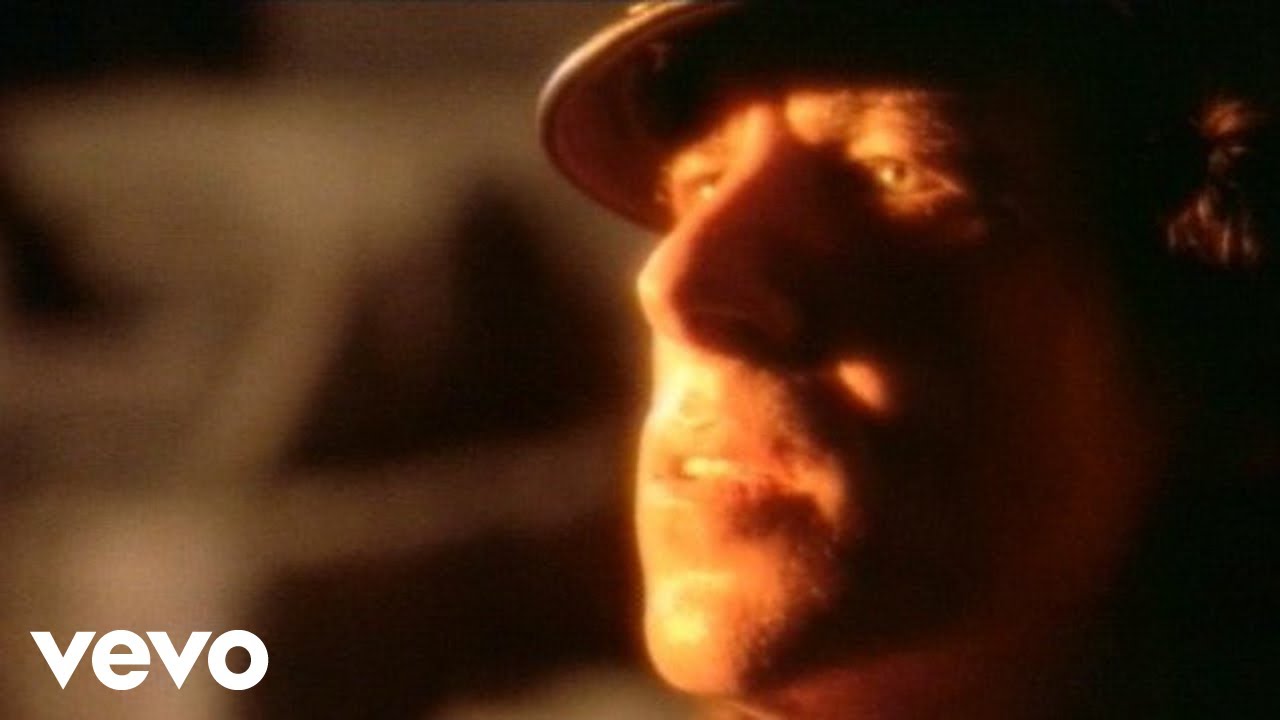
The video is the least German thing the band ever did: no stage, no crowd, no Hanover, just the five of them playing among stone ruins in an open desert landscape under enormous sky. For a group whose visual identity had been built on arenas and hurricanes, standing still in a desert was a substantial change of register — which is roughly what the song is doing too.
The Dierks decision looks obvious in hindsight and was not obvious at the time. Sixteen years is a long working relationship to end, and bands who fire the producer who made them usually make a worse record immediately afterward. Scorpions made the two songs everybody knows.
SONG INFORMATION
Artist: Scorpions
Song: “Send Me an Angel”
Album:Crazy World
B-side: “Crazy World”
Released: September 17, 1991; album November 6, 1990
Studio: Goodnight LA Studios, Los Angeles
Label: Vertigo; Mercury
Songwriter(s): Rudolf Schenker, Klaus Meine
Producer(s): Keith Olsen, Scorpions
Length: 4:32
Chart Performance: No.5 Germany, No.8 US Mainstream Rock, No.44 US Hot 100; Top 10 in seven countries
Lineup: Klaus Meine (vocals), Rudolf Schenker (lead guitar), Matthias Jabs (rhythm and acoustic guitar), Francis Buchholz (bass), Herman Rarebell (drums)