The BBC had no intention of playing an Australian folk group, so the record went to number one on the strength of an illegal station broadcasting from a ship
In 1964 the BBC held a monopoly on British radio, and it was not in the business of promoting Australian folk groups. Everybody involved understood this. A record by four Melbourne musicians who had arrived in London on a working holiday had no realistic path onto national airwaves, whatever it sounded like. What broke it was Radio Caroline — a pirate station transmitting from a ship anchored in international waters to stay outside British law — which began playing it heavily. By February 1965 it was the number one record in Britain, and the BBC’s opinion had become irrelevant.
The Seekers had sailed from Australia earlier that year, working their passage as onboard entertainment and planning to stay roughly ten weeks. Judith Durham, Athol Guy, Keith Potger and Bruce Woodley had a modest Melbourne reputation, an album, and some photographs sent ahead of them. They never went home on schedule. Their agent Eddie Jarrett booked them onto national television, into variety theatres and clubs, and the ten-week plan quietly dissolved. A recording deal followed with World Record Club, EMI’s mail-order division, and two albums came out through it before anyone thought about singles.
A song written to fit one voice
Jarrett’s most consequential move was introducing them to Tom Springfield. Born Dion O’Brien, brother of Mary — who by then was performing as Dusty Springfield — Tom had been in the folk trio The Springfields until Dusty left for a solo career, and he was looking for somewhere to put what he had learned. He heard the Seekers and recognised the same problem he had already solved once: a group built around a distinctive female voice.
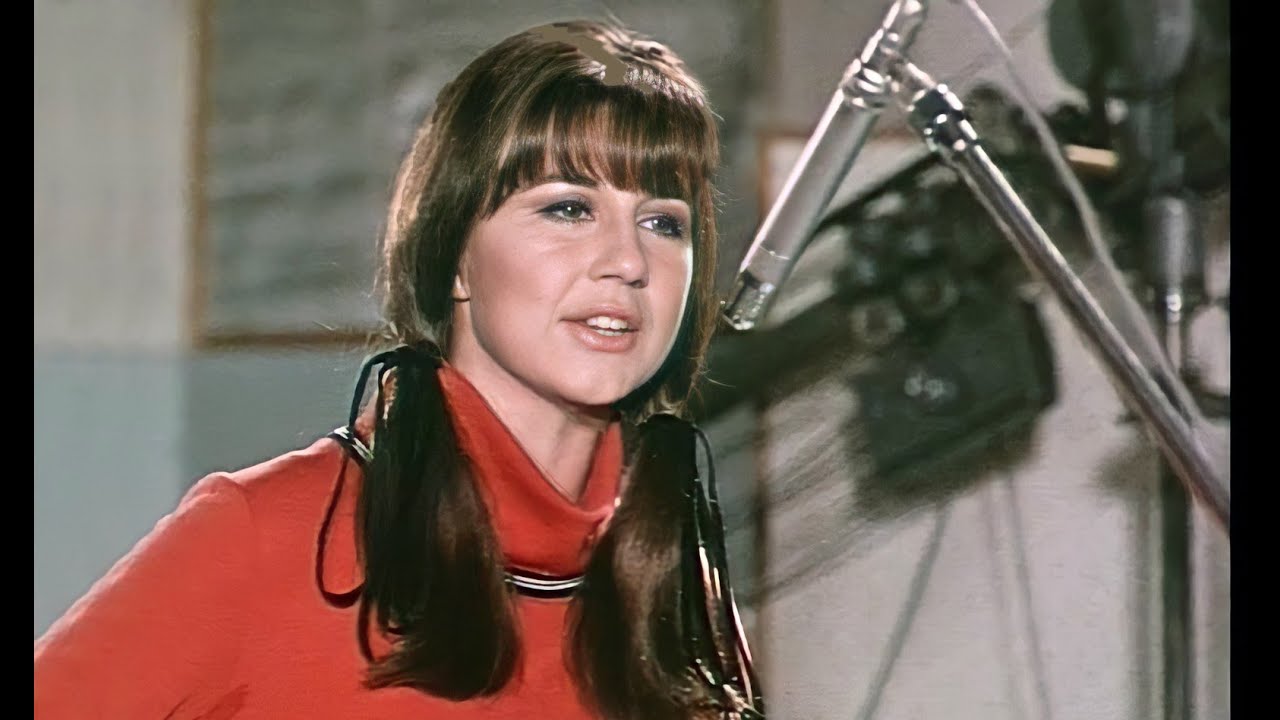
So he wrote to order. I’ll Never Find Another You was constructed specifically around the group’s harmony blend and around Durham’s voice in particular — a classically trained soprano who had studied at the Melbourne Conservatorium and could sit above three male voices without ever sounding like she was competing with them. The recording took place at Abbey Road on November 4, 1964, in mono, with percussion added to the group’s acoustic instruments. Springfield produced it himself. It runs two minutes and forty seconds.
EMI put it out on the Columbia label that December, backed with the gospel number Open Up Them Pearly Gates. Then Radio Caroline picked it up, and the thing moved.
What it broke open
The numbers are worth stating plainly because they were unprecedented for an act from Australia. Number one in Britain and number one at home. Number four on the Billboard Hot 100 and number two on the American easy listening chart. One and three-quarter million copies sold worldwide, which made the Seekers the first Australian group to sell a million of anything, and the first to hold a Top 5 hit in Australia, Britain and the United States at the same moment. The Bee Gees had not yet left. Helen Reddy had not yet arrived. For a stretch in the middle of the decade, their singles sales stood comparison with the Beatles and the Rolling Stones, which is a sentence that reads strangely now and read strangely then.
The rock press never quite knew what to do with them. Lillian Roxon’s description has outlasted most of what was written at the time: one cuddly girl-next-door type, and three sober cats who looked like bank tellers. It was meant affectionately and it was entirely accurate. The Seekers had no interest in menace, and the absence of it is precisely why the records still work — four people singing in tune about wanting somebody to stay, arranged so cleanly that amateur musicians could pick the songs up and play them, which many thousands did.
They went on to A World of Our Own, The Carnival Is Over, Morningtown Ride and Georgy Girl, sold more than fifty million albums, and were collectively named Australians of the Year in 1968. Judith Durham died in August 2022, at seventy-nine, of a lung condition she had carried since she was four years old. The song Tom Springfield wrote to fit her voice closed almost every show the group ever played.
SONG INFORMATION
Artist: The Seekers
Song: “I’ll Never Find Another You”
B-side: “Open Up Them Pearly Gates”
Released: December 1964
Recorded: November 4, 1964
Studio: Abbey Road Studios, London
Label: EMI Columbia DB 7431 (UK); Capitol (US)
Songwriter: Tom Springfield
Producer: Tom Springfield
Length: 2:40
Format: Recorded in mono
Chart Performance: No. 1 UK (February 1965); No. 1 Australia; No. 4 Billboard Hot 100; No. 2 US Easy Listening
Sales: 1.75 million copies worldwide
Lineup: Judith Durham — lead vocals; Athol Guy — double bass, vocals; Keith Potger — 12-string guitar, banjo, vocals; Bruce Woodley — six-string guitar, mandolin, vocals