







Paul Young – Come Back and Stay
Written By The Man Who Gave Blondie Their Hit
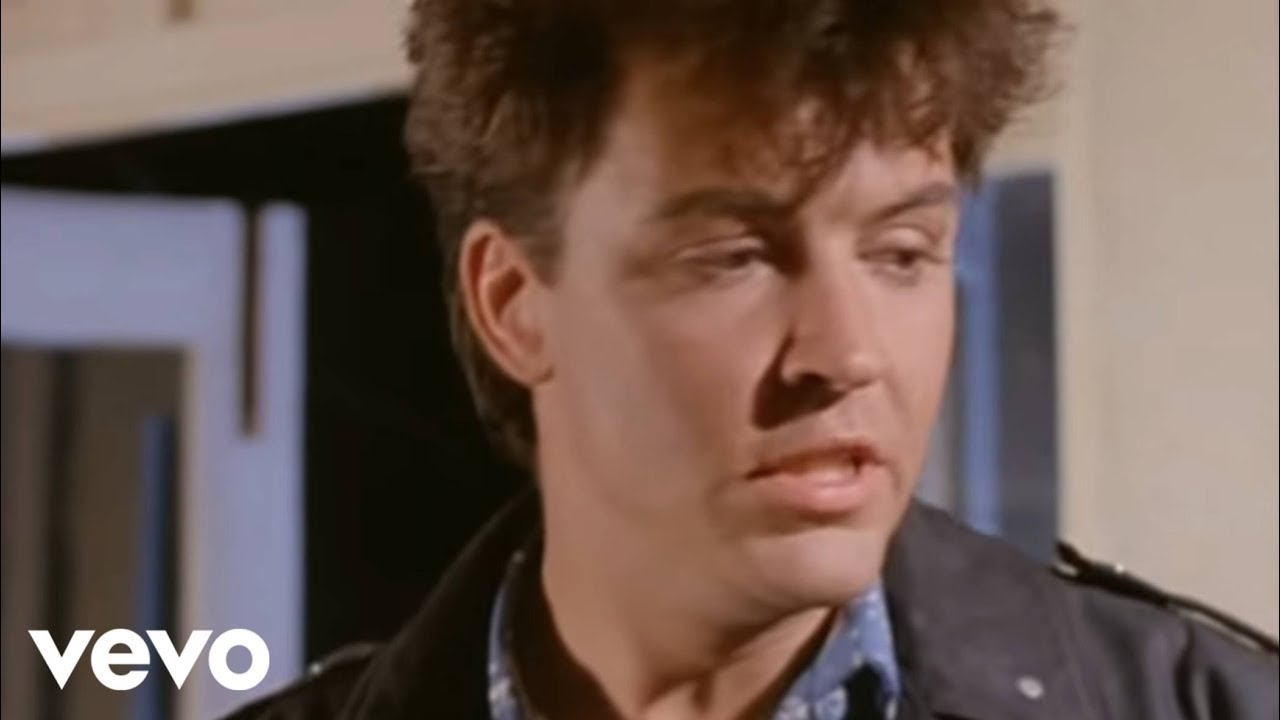
Released in September 1983 as the fourth single from his debut album No Parlez, Paul Young’s “Come Back and Stay” peaked at number four on the UK Singles Chart and topped charts in Belgium, New Zealand, Switzerland, and West Germany. The track became Young’s second consecutive top five hit following his number one cover of Marvin Gaye’s “Wherever I Lay My Hat” earlier that summer. In the United States, the song reached number twenty-two on the Billboard Hot 100 and climbed to number one on the Adult Contemporary chart. What most fans don’t know is that the song was written by Jack Lee, the Los Angeles power pop musician who also penned Blondie’s UK smash “Hanging on the Telephone.” Lee originally recorded it for his 1981 solo album with fellow Nerves members Peter Case and Paul Collins backing him, never imagining his raw power pop plea would become a blue-eyed soul classic two years later.
The single entered the UK chart in late September and climbed steadily through October, peaking at number four on November fifth and spending three weeks at that position. It remained on the chart for thirteen weeks total and helped push No Parlez to the top of the album chart, where it spent five non-consecutive weeks at number one. The album dominated 1983, spending one hundred nineteen weeks in the UK top hundred and becoming the second biggest-selling album of the year. By year’s end, the BPI certified it quadruple platinum for sales exceeding one point two million copies in Britain alone. Internationally, the track earned gold or platinum certifications in Australia, Canada, France, Germany, Holland, Spain, and triple platinum in Japan. Young’s version transformed Lee’s obscure album track into a worldwide phenomenon, giving the struggling songwriter a financial lifeline after years of near-misses and missed opportunities.
Jack Lee wrote the song during his days with The Nerves, the seminal but short-lived Los Angeles power pop trio he formed with Peter Case and Paul Collins in 1974. When the band split in 1978, Lee released a musical resume titled Jack Lee’s Greatest Hits Vol. 1 in 1981 on independent label Maiden America Records as a limited pressing of ten thousand copies. The album featured all original material despite its ironic title, showcasing Lee’s songwriting across eleven tracks. He’d already scored with Blondie’s cover of his composition “Hanging on the Telephone” in 1978, which reached number five in the UK. Lee hoped lightning would strike twice, but his solo album went nowhere commercially. The raw, stripped-down production emphasized Lee’s direct vocal delivery and straightforward power pop approach, clocking in at just two minutes forty-seven seconds. Nobody paid attention until producer Laurie Latham heard potential buried in that brevity.
Young recorded the track at Workhouse Studios in London during 1983 with Latham producing and assembling a core group of musicians dubbed The Royal Family. Bassist Pino Palladino delivered the fretless bass lines that became his signature sound, while drummer Martin Ditcham provided the rhythmic foundation. The Fabulous Wealthy Tarts, featuring Kim Lesley and Marilyn Roberts, supplied the layered backing vocals that transformed Lee’s solo plea into a gospel-tinged conversation. Latham extended Lee’s compact original into a four-and-a-half-minute blue-eyed soul arrangement with horn accents, subtle synthesizers, and rhythmic guitar lines. Young’s smooth yet gritty baritone channeled longing and vulnerability, building from near-whisper to desperate cry as the song progressed. The production borrowed ideas from seventies jazz-fusion, particularly Jaco Pastorius’ work that foregrounded bass as a lead instrument rather than supporting player. Storm Thorgerson directed the video, continuing his post-Pink Floyd career creating surreal visual landscapes for mainstream pop.
No Parlez launched Young as Britain’s newest blue-eyed soul voice after years of false starts with Streetband and The Q-Tips. The album featured three top five singles total, with “Love of the Common People” reaching number two in December after being re-released following this song’s success. Young’s talent for taking lesser-known songs and making them his own became his calling card, with seven of his nine US chart hits between 1983 and 1992 being covers. Critics praised his vocal range and emotional expressiveness while occasionally questioning his lack of original material. The album spawned extended club mixes that became staples in early eighties dance clubs, including a seven-minute-plus version with additional synth breaks. Young’s debut made him unavoidable in 1983, leading to his role singing the opening line on Band Aid’s “Do They Know It’s Christmas?” in 1984 and a performance at Live Aid in 1985.
James Morrison recorded a version for Radio 1’s Established 1967 compilation decades later, bringing the song to a new generation. In 2010, electronic artist Chicane reworked it as a dance track titled “Come Back” for his album Giants, stripping away the soul vocals and replacing them with trance production. The song has appeared on countless eighties compilation albums and remains a staple of classic pop radio. Jack Lee continued writing and recording for the rest of his life but never duplicated his initial successes, though plans emerged for a documentary and release of thirty unissued recordings. He passed away in May 2023 at age seventy-one, with his remains cremated and commemorated with a plaque in the Rose Garden at Hollywood Forever Cemetery. A memorial celebration at the Echoplex in Los Angeles showcased his unreleased work alongside the hits that defined two decades of pop music.
“Come Back and Stay” remains Paul Young’s most enduring contribution to blue-eyed soul and stands as proof that great songs can have multiple lives across genres and decades. Young’s ability to hear potential in Jack Lee’s raw power pop sketch and transform it into sophisticated soul balladry demonstrated the interpretive artistry that defined his career. The song secured Lee’s legacy beyond “Hanging on the Telephone” while establishing Young as more than just another Marvin Gaye cover artist. What began as a two-minute-forty-seven-second power pop track became a five-minute soul masterpiece that spent thirteen weeks on the charts and helped make No Parlez one of the eighties’ most successful debuts. Sometimes the best cover versions don’t just honor the original—they reimagine it completely.