



![Sonny & Cher – I Got You Babe (Official Video) [From ‘Top of the Pops’]](https://musicvideosclub.com/wp-content/uploads/2025/02/sonny-cher-i-got-you-babe-offici-360x203.jpg)
The Move – I Can Hear The Grass Grow
The Title Came From A Random Letter To A Photographer
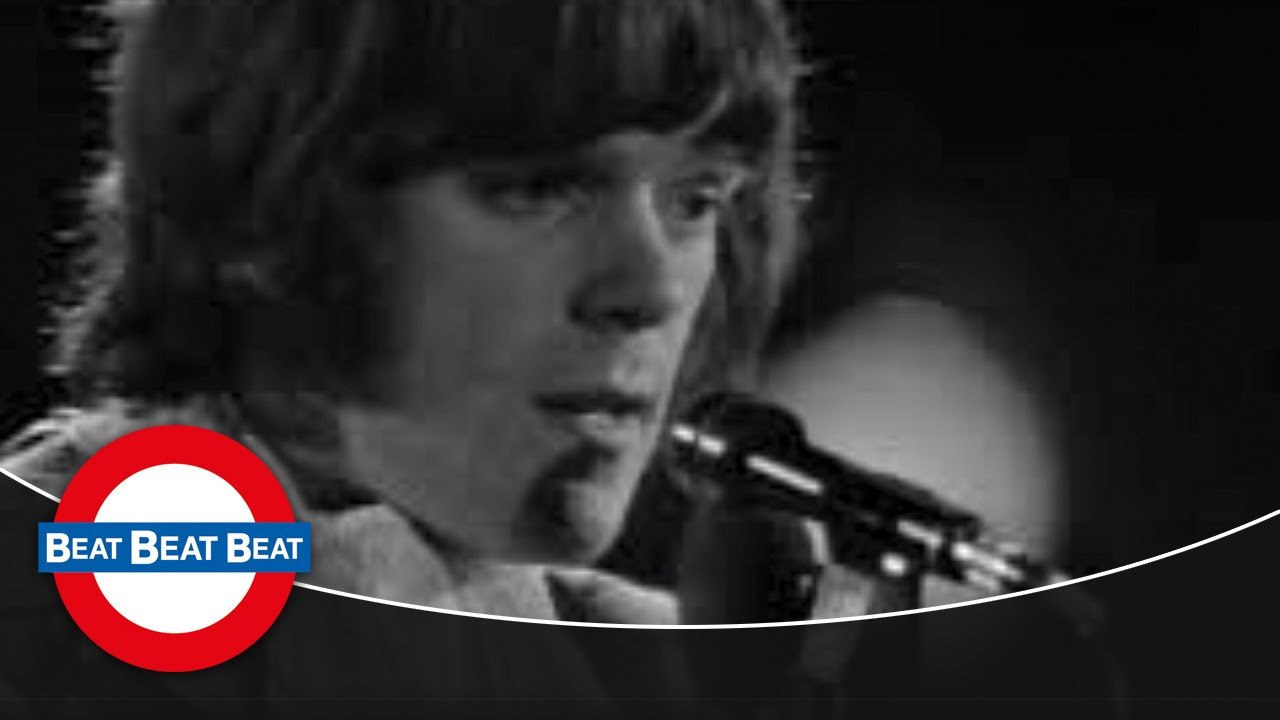
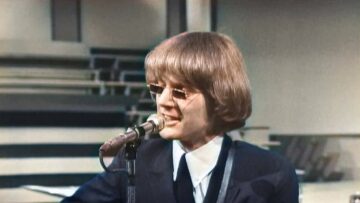
Released on March thirty-first, 1967, as the follow-up to their debut hit “Night of Fear,” The Move’s “I Can Hear the Grass Grow” peaked at number five on the UK Singles Chart on May tenth and spent ten weeks on the chart, becoming the second of four consecutive top-five singles that established them as one of Britain’s premier psychedelic pop acts. The track showcased Roy Wood’s emerging songwriting talents and solidified their reputation for combining flower power aesthetics with harder-edged rock. What most fans don’t know is that the title came from photographer Robert Davidson, who received a letter from an unknown individual that read “I listen to pop music on the radio because where I live I can hear the grass grow.” Davidson thought it sounded sufficiently hip and mentioned it to Wood, who immediately recognized its potential. Wood based the song’s lyrics on a book of fairy tales he’d authored while studying at The Moseley College of Art before getting expelled, proving that sometimes the best inspiration arrives through the strangest channels.
The single entered the UK chart in early April and climbed steadily through spring, breaking into the top ten at number seven before reaching its peak at number five on May tenth where it stayed for one week. It spent three weeks in the top ten, six weeks in the top twenty, and ten weeks total on the chart before disappearing at number forty-four on June fourteenth. The track performed well throughout Europe and New Zealand, demonstrating The Move’s international appeal beyond Britain. Following their debut “Night of Fear” reaching number two in January, this solid number five confirmed they weren’t one-hit wonders but serious contenders in the rapidly evolving psychedelic scene. The success came despite manager Tony Secunda’s decision to prioritize publicity stunts over recording a proper debut album, with approximately ten songs already recorded for an album titled Move Mass that wouldn’t materialize for months. The single’s chart showing validated Secunda’s strategy of maintaining momentum through regular singles rather than waiting for a cohesive album statement.
Roy Wood wrote the song drawing from his fairy tale book created during his brief time at The Moseley College of Art, where he’d been expelled within three months for some undisclosed misdeed. The title came through their official photographer Robert Davidson, who’d befriended manager Tony Secunda in 1965 and became the band’s designated shooter. When Davidson received that peculiar letter about hearing grass grow, he recognized its psychedelic potential and shared it with Wood. The phrase captured something essential about the era’s preoccupation with heightened perception and altered consciousness, even if bassist Ace Kefford later admitted drug use was a grave mistake and drummer Bev Bevan denounced LSD rumors surrounding “Night of Fear.” The lyrics combined Wood’s surrealistic imagery with the title’s promise of supernatural awareness, creating a narrative that felt simultaneously childlike and ominous. The success of “Night of Fear” had been Wood’s third or fourth original composition, and this track demonstrated he was developing rapidly as a songwriter capable of crafting commercial psychedelia.
The Move recorded the track on January fifth, 1967, at Advision Studios in London with producer Denny Cordell overseeing sessions. Cordell had produced their debut and understood how to capture the band’s energy while adding studio sophistication that elevated them beyond typical garage rock. The lineup featured Roy Wood on lead guitar and vocals, Carl Wayne handling lead vocals, Trevor Burton on rhythm guitar, Ace Kefford on bass, and Bev Bevan on drums. The original intended B-side was a track simply titled “Move,” but problems arose during the January thirtieth mixing session, forcing them to scrap it and substitute “Wave the Flag and Stop the Train” instead. Deram Records released the single with catalogue number DM.117, and it quickly captured radio programmers’ attention with its distinctive opening and psychedelic flourishes. The production balanced commercial accessibility with experimental touches, demonstrating Cordell’s skill at making weird sound normal and normal sound weird. Unlike many Move songs that disappeared from setlists after Kefford’s departure later that year, Burton took over lead vocals and this track remained a live staple.
The song appeared during The Move’s transition from Birmingham club band to national phenomenon. Their theatrical stage show featured televisions being smashed, smoke bombs, and effigies of Hitler, Ian Smith, and the Devil being burned, earning them a reputation as forerunners of punk attitude and outrage. Manager Tony Secunda’s publicity stunts grew increasingly audacious, culminating later that year in the scandal around “Flowers in the Rain” when a postcard depicting Prime Minister Harold Wilson with his secretary in compromising positions brought MI5 surveillance and a lawsuit that cost Wood all royalties from that subsequent hit. The Move’s aggressive self-promotion and theatrical performances distinguished them from flower children advocating peace and love, positioning them as psychedelia’s harder edge. When their debut album finally emerged, it compiled these early singles rather than presenting new material, reflecting Secunda’s strategy of maintaining commercial visibility through constant singles releases rather than building album-based credibility.
The song has been covered by multiple artists across decades. The Blues Magoos recorded their version in 1968, bringing American garage rock sensibility to Wood’s British psychedelia. Status Quo covered it in 1996 during their later career phase, transforming it into their signature boogie rock style. The Fall included their interpretation on their 2005 album, approaching it with their typical abrasive post-punk attitude that stripped away psychedelic ornamentation. These diverse covers demonstrated the song’s durability beyond its sixties context. The track appeared on the 2007 reissue of The Move’s debut self-titled album, finally allowing it to be heard as part of an intended cohesive statement rather than just an isolated single. AllMusic’s Matthew Greenwald noted that though the lyrics seem antique, the artistic moxie aged like fine wine, capturing how sixties psychedelia’s excesses can feel dated while the underlying ambition remains impressive.
“I Can Hear the Grass Grow” endures as a perfect encapsulation of British psychedelia’s commercial peak and Roy Wood’s emergence as one of the era’s most imaginative songwriters. The fact that the title arrived through a random letter to their photographer demonstrates how the best songs sometimes assemble themselves from disparate sources when the right people are paying attention. Wood’s ability to transform his art school fairy tales into chart hits showed the creative possibilities when pop music embraced literary ambition without sacrificing accessibility. The song’s journey from expelled art student’s notebook to top-five hit via photographer’s correspondence captures everything wonderful about sixties creativity, when inspiration could arrive from anywhere and the charts welcomed experimentation alongside conventional pop. Five decades later, that title still sounds sufficiently hip, proving Davidson’s instincts were correct and Wood’s execution was flawless