



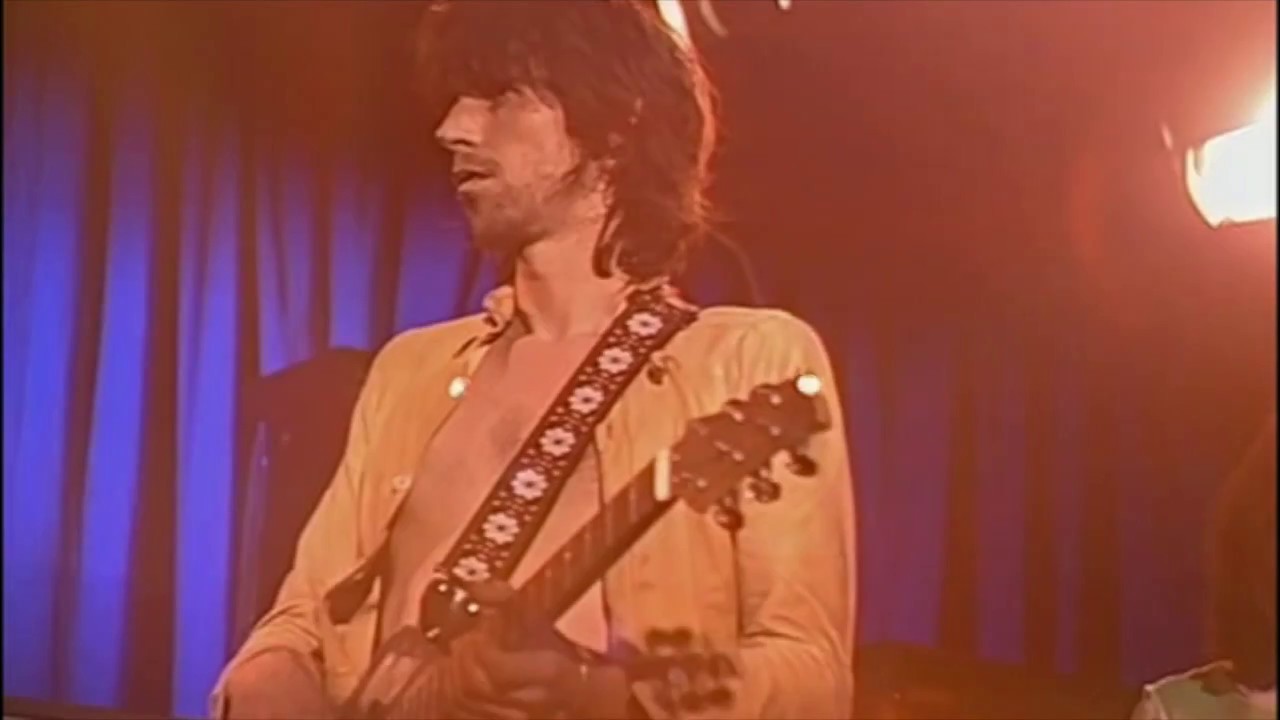



The Rolling Stones – Brown Sugar
Cut In Three Days Before Altamont Changed Everything
Released on April sixteenth, 1971, as the opening track and lead single from Sticky Fingers, The Rolling Stones’ “Brown Sugar” topped the Billboard Hot 100 for two weeks and reached number two in the UK, held from the summit by Dawn’s knockabout novelty. The track also hit number one in Canada and Switzerland, became Billboard’s sixteenth biggest song of 1971, and secured Rolling Stone magazine’s ranking as the fifth greatest guitar song of all time. What most fans don’t know is that the Stones recorded it during a frantic three-day session at Muscle Shoals Sound Studio in Alabama from December second to fourth, 1969, then flew straight to California where they performed it live for the first time at the Altamont Speedway concert on December sixth, the day a fan was stabbed to death during their set. The song sat unreleased for seventeen months while legal battles with their former label dragged on, but when it finally emerged, it became the first single on Rolling Stones Records and their calling card for the next five decades.
The single debuted on the Billboard Hot 100 at number forty on April twenty-fifth and reached number one by May twenty-ninth, holding the peak for two consecutive weeks. It spent twelve weeks on the chart total and dominated the airwaves throughout late spring. In the UK, it peaked at number two on May fifteenth and remained on the charts for eight weeks, unable to dislodge Tony Orlando and Dawn. The song performed best in Canada, where it topped the chart and became one of the year’s defining tracks. Billboard ranked it the sixteenth biggest single of 1971, sandwiched between similar blues-rock workouts from Grand Funk Railroad and Three Dog Night. Rolling Stone eventually placed it at number four hundred ninety-five on their list of the five hundred greatest songs of all time, but the magazine saved its highest honor for the guitar work, ranking it fifth on their list of the one hundred greatest guitar songs ever recorded.
Mick Jagger wrote the song primarily himself during the filming of Ned Kelly in 1969, though both his girlfriend Marsha Hunt and former Ikette Claudia Lennear have claimed the song was written about them. Bill Wyman stated the composition was partially inspired by Lennear, who toured with the Stones as part of Ike and Tina Turner’s backing group. The original title was even more provocative than what they settled on, but Jagger wisely dialed it back before recording. In the liner notes to the 1993 compilation Jump Back, Jagger explained the composition dealt with the dual combination of substances and relationships, calling it a very instant thing and a definite high point. The subject matter tackled slavery, violence, and exploitation head-on, wrapped in a riff so infectious that it overshadowed the provocative content for decades.
The band recorded the track over three days at Muscle Shoals Sound Studio in Sheffield, Alabama, from December second through fourth, 1969. The studio had opened just months earlier in April 1969 when four session musicians from FAME Studios ventured out on their own, creating the legendary Swampers who would immortalize themselves in subsequent songs by other artists. Engineer Jimmy Johnson worked with a limited ten-input Universal Audio console with tube modules and captured the Stones at their rawest. Keith Richards later recalled that being in Alabama inspired them to cut something rooted in blues tradition, noting the distorted and funky sound was exactly what they wanted. Ian Stewart played piano while Bobby Keys delivered the saxophone solo that became one of rock’s most recognizable instrumental breaks. Richards admitted those Muscle Shoals sessions were as vital as anything they’d ever done, cutting three or four tracks in two days when the Stones usually labored for weeks.
Sticky Fingers became the band’s first album to reach number one on both UK and US charts when it was released on April twenty-third, 1971. The album eventually earned triple platinum certification in the United States and established the Stones as the preeminent rock band of the seventies. The Andy Warhol-designed cover featuring a working zipper became almost as famous as the music, though the expensive production damaged vinyl records and had to be modified. The album spawned multiple hits and showcased new guitarist Mick Taylor’s first full studio appearance with the band following Brian Jones’ death. Critics praised the album’s blues-rock intensity while noting its darker, more mature sound compared to their sixties output. The album marked the end of their Decca association and the beginning of creative freedom on their own label.
Little Richard recorded his version for his 1971 album The King of Rock and Roll, bringing gospel fervor to the controversial material. Bob Dylan performed it during his 2002 US tour, while artists from Collin Raye to Alice Russell have attempted their own interpretations. The song appeared in commercials for major brands and became a staple of classic rock radio despite its subject matter. Rolling Stone ranked it number four hundred ninety in 2004 and number four hundred ninety-five in 2010, slight variations reflecting changing critical perspectives. The track remained the Stones’ second-most-performed song throughout their touring history, played at virtually every concert for fifty years until circumstances forced a reckoning with its content in the twenty-first century.
In 2021, the band removed the song from their No Filter tour setlist. Jagger noted they’d played it every night since 1970 and decided to take it out for now, leaving open the possibility of future performances. Richards expressed frustration, questioning whether critics understood it was a song about the horrors rather than celebration of exploitation. Jagger had acknowledged back in 1995 that he would never write such a song in that era. “Brown Sugar” remains one of rock’s most complicated legacies—a blues-rock masterpiece born from three furious days in Alabama that captured the Stones at their creative peak while exploring subject matter that ensured it would eventually become too painful to perform. What Richards and Jagger created in Muscle Shoals was undeniably powerful music, proving that songs can be both culturally significant and deeply problematic, their place in history secured even as their place on stage disappeared.
Enjoyed this one? New forgotten gems every day — tap Music Videos Club below to visit and follow us on Facebook:
Related videos
 Watch LaterAdded
04:11
Watch LaterAdded
04:11  Watch LaterAdded
04:17
Watch LaterAdded
04:17  Watch LaterAdded
04:11
Watch LaterAdded
04:11