



Heart – These Dreams
The Number One Hit That Nobody Wanted — Written by the Wrong Guy, Sung by the Wrong Sister
Bernie Taupin wrote “These Dreams” for Stevie Nicks, and she turned it down. Kim Carnes was offered it next, and she passed too. Heart heard Martin Page’s demo and fell in love with it — but Ann Wilson, who had sung lead on virtually every Heart record since the band’s inception, said they had a full album and couldn’t fit another song. It was Nancy Wilson who kept pushing, who refused to let it go, who finally wore Ann down enough that the older sister agreed to include it — on one condition. “This is your song,” Ann told her. “You’re singing it.” Nancy had never sung lead on a Heart single before. She had a cold the day they recorded it. And “These Dreams” went to Number One on the Billboard Hot 100 on March 22, 1986.
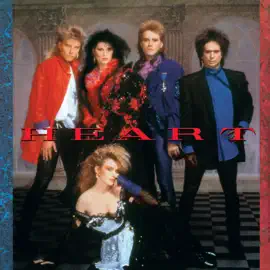
Released in January 1986 as the third single from Heart’s self-titled eighth studio album, “These Dreams” followed two consecutive Top 10 hits — “What About Love” and “Never” — and surpassed both of them. It spent one week at Number One on the Hot 100 and three weeks at the top of the Adult Contemporary chart. In the UK it initially peaked at a modest Number 62, but when “Alone” broke through big in Britain in 1987, the label re-released “These Dreams” as a double A-side with “Never,” and it climbed to Number 8. The album it came from went on to earn 5x Platinum certification in the United States. It was, by every measure, the commercial resurrection of a band that had been quietly fading.
The song’s origin sits at an unlikely intersection of collaborators. Martin Page received the lyric by fax from Taupin in 1985 — Bernie’s freshly typed words arriving down a phone line across the Atlantic. The original title was “Boys in the Mist,” which Page gently convinced Taupin to abandon, lifting the words “these dreams” from the bridge and moving them to the front. Taupin had constructed the lyric entirely around Stevie Nicks’ sensibility — the moonlit imagery, the wood full of princes, the dreamlike syntax that deliberately resists paraphrase. Nicks turned it down precisely because it felt too close to territory she had already mapped: it read too much like a song she would write, which was both the point and the problem. The same quality that made her pass was what made Heart want it. The song’s connection to Nicks’ world was the thing that made it feel like it came from somewhere real.
The sessions for the Heart album took place under producer Ron Nevison, whom the band approved specifically because he had engineered Led Zeppelin records — a piece of credibility that mattered enormously to the Wilson sisters, however different the final product sounded from anything Zeppelin had made. The track features Nancy on lead vocals, lead guitar, acoustic guitar, and mandolin — a full performance that had been assumed impossible for her simply because nobody had asked. Her voice on the day of recording was husky and slightly hoarse from the cold she was fighting, giving the finished performance a vulnerability that the clinical studio version of the same song almost certainly would have lacked. Nevison listened back and immediately told her it was going to be a hit. She didn’t believe him.
The two songs Heart was given by the Taupin-Page partnership sit at opposite ends of the 1980s pop spectrum: “These Dreams” is the one Heart chose, and the one they took to Number One. The other was “We Built This City,” which Heart passed on and Starship recorded instead — a record that has appeared on more “worst songs ever” lists than almost anything from its era and which the Taupin-Page team have been somewhat philosophical about ever since. That Heart chose the gentler of the two songs, and that the gentler song turned out to be the bigger legacy item, says something about the instinct Nancy Wilson was operating on when she refused to let the track go.
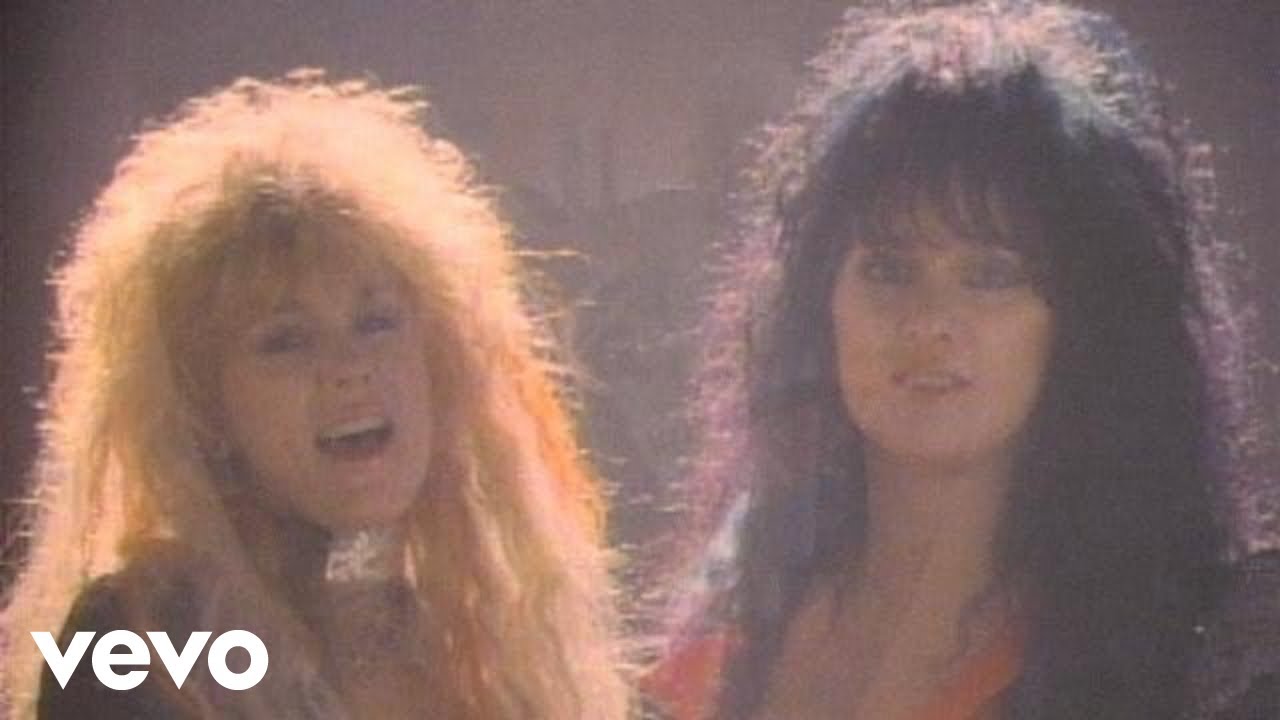
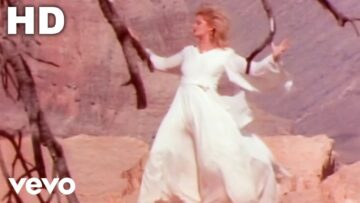
The music video, directed by Jeff Stein and shot for Capitol Records, received heavy MTV rotation and used the slightly shorter single edit rather than the full album version — meaning the second verse that appeared on the LP was absent from the version most people actually heard. The clip, atmospheric and slightly surrealist in the manner of its era, was the third of four consecutive US Top 10 videos from the album campaign, a run that effectively defined Heart’s visual identity for the rest of the decade. The song was dedicated to Sharon Hess, a personal acknowledgment that appeared in the credits without further explanation.
Heart were inducted into the Rock and Roll Hall of Fame in 2013. “These Dreams” was the first Number One single of their career and remains the only Heart song to top both the Hot 100 and the Adult Contemporary chart simultaneously. Nancy Wilson has said in interviews that she still finds the story slightly implausible — the song nobody wanted, recorded while sick, with a raspy voice the producers later asked her to replicate for future sessions. She couldn’t reproduce it deliberately. Of course she couldn’t. The best takes usually happen only once.
SONG INFORMATION