Their signature song flopped as a single. It took a live recording to save it, and twenty years later a second one saved the band.
The Alive/Worldwide tour was the top-grossing act in America across 1996 and 1997, four men back in the makeup for the first time in roughly sixteen years, stadiums full of people who had grown up on records made before some of them were born. What set it moving was not a business decision or a管 press conference. It was a few minutes of acoustic guitars in a television studio, played by six men, two of whom nobody in the room had been told would be there.
The song had been written to order. In February 1975 Casablanca Records was close to broke and Hotter Than Hell had stalled, so label president Neil Bogart pulled Kiss off the road and sent them back into the studio without material. He wanted a rallying cry, and pointed them at Sly and the Family Stone’s “I Want to Take You Higher” as the model. Paul Stanley has recalled the instruction as a request for a song that your fans can rally behind, something that stated the band’s position outright. He and Gene Simmons wrote it, the band cut it at Electric Lady in New York that February, and Casablanca put Dressed to Kill out on March 19, 1975. The single followed on April 2 and reached No. 68 on the Hot 100.
That is a failure by any measure, and the label was in no condition to absorb it. What Kiss had that the records did not capture was the live show, so Casablanca gambled on a double live album. Eddie Kramer produced Alive!, released September 10, 1975, drawn largely from a May 16 performance at Cobo Arena in Detroit. The live version of the song ran longer than the studio take and carried an Ace Frehley solo the original had no room for. Casablanca issued it as a single on October 14, 1975, and it climbed to No. 12 in early 1976 — the band’s first substantial hit, and the number that closed nearly every Kiss concert from that point forward.
Twenty years on, the same rescue in reverse
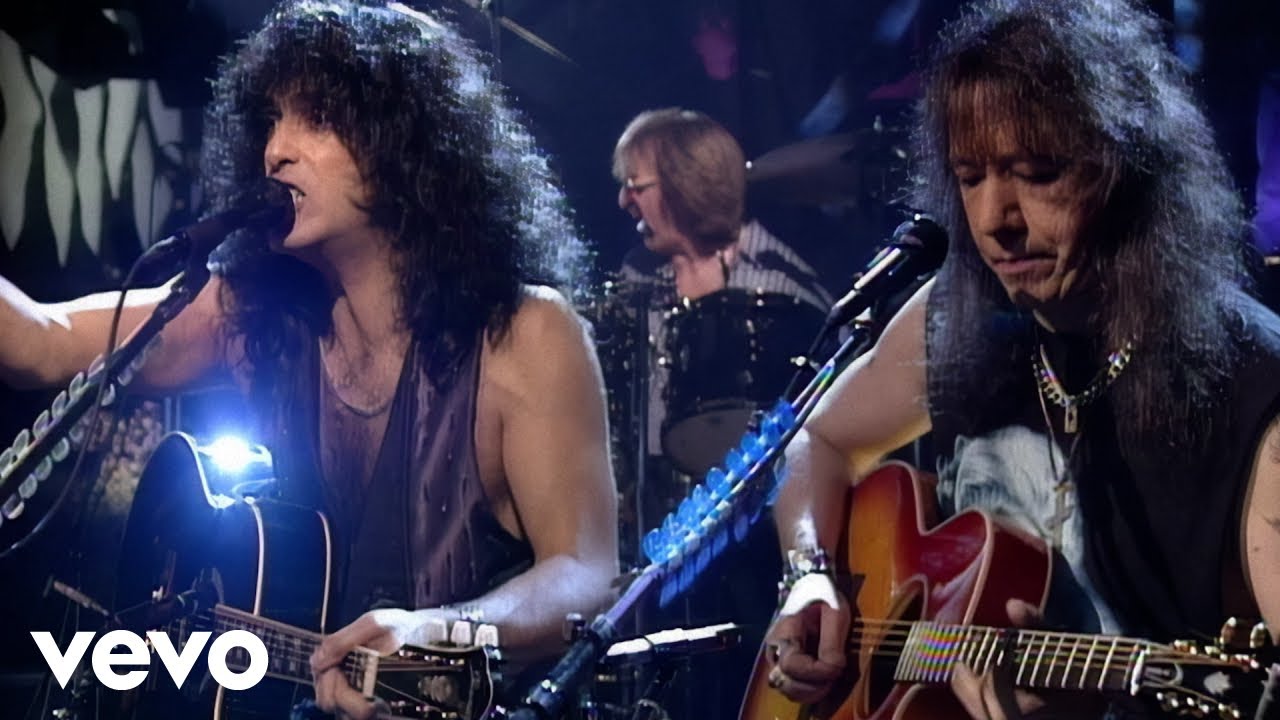
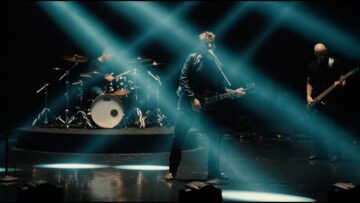
By 1995 the lineup was Stanley, Simmons, guitarist Bruce Kulick and drummer Eric Singer, and the band was working through a decade in which nostalgia was doing more for them than new records. Criss had turned up at a fan convention earlier that year and sung a few songs with the touring band, which by his own account gave Simmons the idea. Stanley and Simmons called both Frehley and Criss and asked them to come to the MTV Unplugged taping. The plan was kept quiet until the day itself. On August 9, 1995, at Sony Music Studios in New York, the band played most of the set as a four-piece, then brought the two original members out for “2,000 Man” and “Beth.”
All six closed the night together, on “Nothin’ to Lose” and then this song. It was the only time Frehley and Criss ever shared a stage with the men who had replaced them, and the only time the original four played in public without the paint. Alex Coletti produced the recording. MTV broadcast the episode on October 31, 1995, and Mercury released Kiss Unplugged on March 12, 1996. The response to those few minutes was immediate enough that the reunion followed within months.
What the tape holds now
Frehley died on October 16, 2025, at 74, from complications of a fall at his home in Morristown, New Jersey. He had cancelled the rest of his touring year five days earlier and was working on a solo record. That changes what this footage is. It is no longer a bridge to a tour that has already happened and finished; it is one of the few pieces of film in which those four men are visible as musicians rather than characters, sitting close together with the machinery switched off.
Twice now the same song has been rescued by putting a room into it. The studio single went nowhere. The Detroit recording made it a hit, and the New York taping made a reunion possible. Bogart asked for something a crowd could shout back, and what he got only ever worked when there was a crowd there to do it. Everything the band built on top of the song — the fire, the blood, the rockets, the boots — turns out to have been optional. The audience was not.
SONG INFORMATION
Artist: Kiss
Song: “Rock and Roll All Nite”
Album:Dressed to Kill
B-side: “Getaway”
Released: April 2, 1975 (studio single); October 14, 1975 (live single)
Recorded: February 1975
Studio: Electric Lady Studios, New York City
Label: Casablanca
Songwriter(s): Paul Stanley, Gene Simmons
Producer(s): Neil Bogart, Kiss
Length: 2:49 (album version)
Chart Performance: US Hot 100 No. 68 (studio version, 1975); No. 12 (live version, 1976)
Performance: Sony Music Studios, New York City, August 9, 1995, for MTV Unplugged
Lineup: Paul Stanley, Gene Simmons, Bruce Kulick, Eric Singer, Ace Frehley, Peter Criss