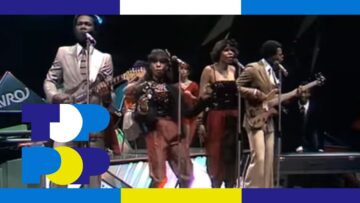
Queen – Now I’m Here (Musikbox, February 11, 1979)
The song Queen played at nearly every show for twelve years was written in a hospital bed
Before Queen flew to Australia in early 1974, Brian May went for a routine vaccination and was injected with a needle that had not been cleaned properly. Nothing happened for months. Then, on the closing night of a six-night run at the Uris Theatre on Broadway, supporting Mott the Hoople on Queen’s first American tour, he collapsed. It was hepatitis. The remainder of the tour was scrapped, the band’s American plans with it, and May was put on a plane home while everybody else worked out what to do next.
What he felt about it, mostly, was guilt. He had ended the most important run of shows the band had played, and he was quietly convinced they would find somebody else while he was flat on his back. They did not. Freddie Mercury, Roger Taylor and John Deacon carried on recording Sheer Heart Attack without him and left holes in the arrangements for his parts to go in when he was upright again. May, meanwhile, wrote. He was moving between a hospital bed and a cramped bedsit in West London, and what came out was a song about standing on a stage in America. He said it arrived easily, where before he had been getting nowhere.
Then he got up too soon
Six weeks passed before the hepatitis cleared and he was discharged. He went straight back into the studio and was immediately sick again, unable to keep anything down. The doctors found an undiagnosed stomach ulcer that the hepatitis had aggravated, and he went back to hospital. Queen recorded Now I’m Here in September 1974, in the final week of the sessions, with May playing the piano on it as well as the guitars. EMI released Sheer Heart Attack on November 1 and put the song out as a single on January 17, 1975, backed with Lily of the Valley. Roy Thomas Baker produced it with the band. It reached number eleven in Britain.
The lyric names Mott the Hoople directly, which is the detail that reframes the whole thing. May was not writing about the illness or the tour that had been taken away from him. He was writing about the part before that, the six nights on Broadway and the cities either side of them, with no visible resentment about how it ended. A man in a rented room in West London, recovering from a needle, remembering being somewhere else entirely.
Munich, February 1979
Queen then played it at virtually every concert they gave from late 1974 until they stopped touring in 1986. Not most concerts. Virtually every one, across twelve years and every continent they visited, which makes it one of the most-performed songs in their entire history. Q magazine placed it thirty-third among the hundred greatest guitar tracks in 2005, and it earned its slot on the 1981 Greatest Hits against considerable competition.
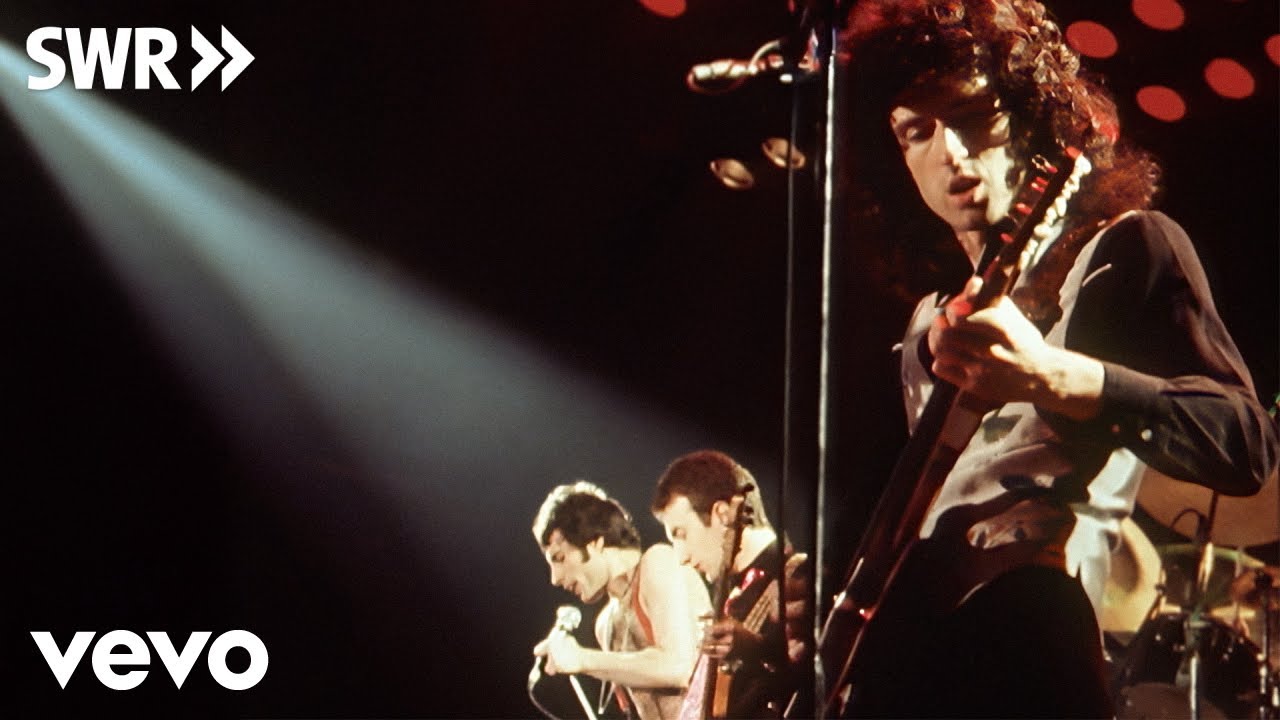
This performance comes from Munich on February 11, 1979, during the European leg of the Jazz tour — the same run that produced the Live Killers album — and German television broadcast it on the programme Musikbox on March 9. Four and a half years separate it from the bedsit. Mercury has the crowd doing the call-and-response he built into the middle of the song, which by then had become a fixed part of a Queen show rather than anything anyone had planned, and May is playing a riff he wrote when he could not stand up.
When Mercury died in 1991, the tribute concert at Wembley put Joe Elliott of Def Leppard on stage beside May to sing it. Elliott had bought Sheer Heart Attack as a fifteen-year-old in Sheffield and had been calling this the best rock song ever written ever since. There is a symmetry to that which nobody arranged: a song about being in the room, written by the one member of the band who was not in the room, sung at the end by somebody who had only ever heard it from the outside.
SONG INFORMATION
Artist: Queen
Song: “Now I’m Here”
Album:Sheer Heart Attack
B-side: “Lily of the Valley”
Released: November 1, 1974 (album); January 17, 1975 (single)
Recorded: September 1974
Label: EMI
Songwriter(s): Brian May
Producer(s): Roy Thomas Baker, Queen
Length: 4:12
Chart Performance: UK No. 11
Performance: Munich, February 11, 1979; broadcast on Musikbox, German television, March 9, 1979
Lineup: Freddie Mercury, vocals; Brian May, guitar and piano; John Deacon, bass; Roger Taylor, drums