




Beggars Opera – Time Machine
German television aired it before the album was in the shops, and the guitarist went on to write the music for Iggy Pop’s The Passenger
Three of them were building the M40 near Beaconsfield when they decided to go home to Glasgow and find an organist and a drummer. Ricky Gardiner, Martin Griffiths and Marshall Erskine came back, found Alan Park and Raymond Wilson, and took up a residency at the Burns Howff, a pub on West Regent Street. Two years later, West German television put Time Machine on the air before anyone could buy it, and the band still calls it their German hit.
Keep watching: Deep Purple – Highway Star · explore more →
Vertigo signed them in 1970, and their first album, Act One, was cut quickly at De Lane Lea Studios with Martin Birch engineering. It was largely a record of their live set at the time, built on Park’s organ and written by committee. For the second album the band changed shape. Gordon Sellar replaced Erskine on bass, and Virginia Scott joined on Mellotron, giving the group two keyboard stations onstage. The band has said Time Machine was the first piece they built from the Mellotron.
The song opens Waters of Change, Vertigo 6360 054, released later in 1971. It runs eight minutes and is credited to Park, Griffiths and Gardiner. The band recorded it at Command Studios and De Lane Lea in London. The producers were Bill Martin and Phil Coulter, the songwriting team behind Puppet on a String and Congratulations, an unlikely pair to steer an eight-minute prog track. Mellotron strings and organ sit underneath it, and Griffiths sings over the top in a slow, deliberate line.
Bremen heard it first
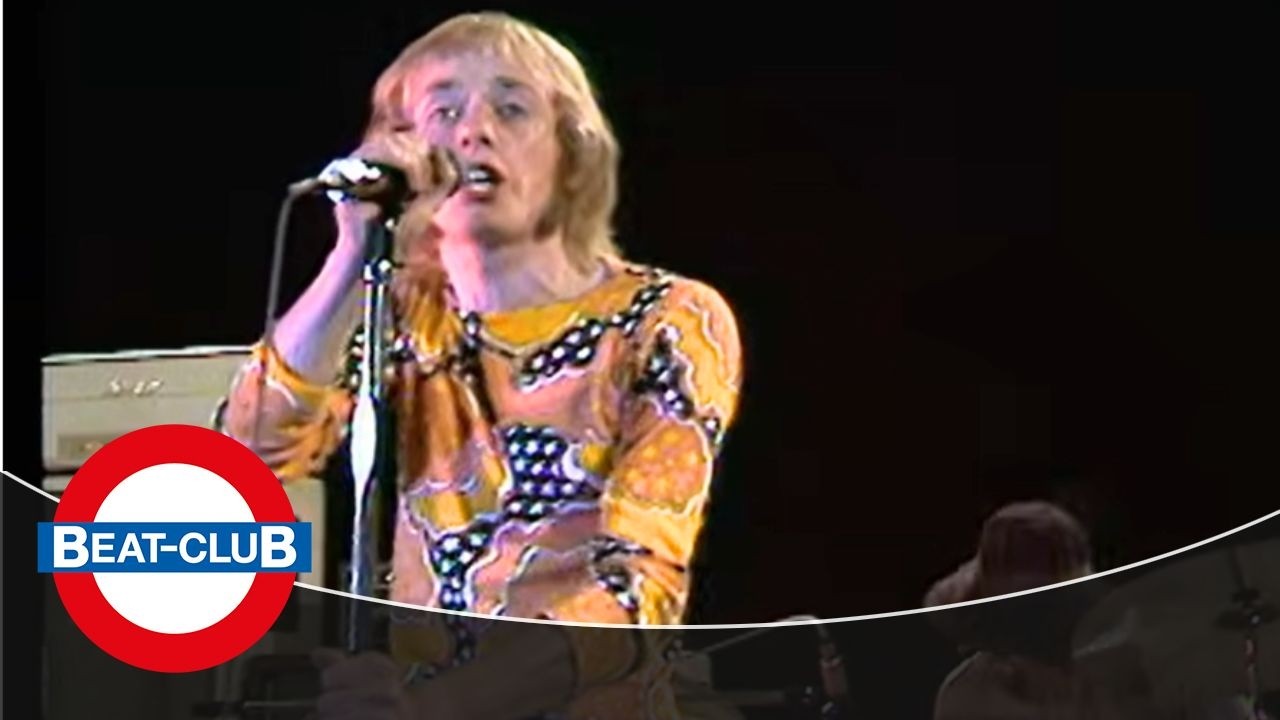
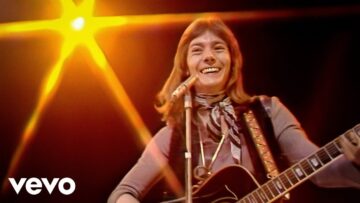
Beat-Club, Radio Bremen’s music program for the ARD network, broadcast episode 70 on August 7, 1971, with Uschi Nerke presenting and Michael Leckebusch producing. Griffiths later recalled that the band played three numbers for the show: Time Machine, Poet and Peasant and Raymond’s Road. Waters of Change was not yet out. In this clip all six play on a bare black stage in front of Marshall stacks. Park works the Hammond, Scott sits at the second keyboard and Gardiner plays a sunburst guitar. Wilson is stripped to the waist behind a kit with the band’s name on the bass drum, and Griffiths throws his arms wide at the microphone.
A month later, on September 4, the band played the British Rock Meeting in Speyer, a two-day festival topped by Black Sabbath and Deep Purple, with Family and Fleetwood Mac also on the bill. Griffiths remembered going on between Fleetwood Mac and Black Sabbath. He has linked the band’s German breakthrough to those two appearances, Beat-Club and Speyer. He also recalled Time Machine becoming a hit in Germany despite running about eight minutes, far longer than radio usually allowed. No national chart placing for the single has been documented.
The six-piece did not last. Griffiths left in 1972, and by 1973 Beggars Opera were down to a trio of Gardiner, Park and Sellar. Gardiner then recorded for Tony Visconti, who brought him to David Bowie. He played lead guitar on Bowie’s Low in 1977, joined Iggy Pop’s touring band and wrote the music for The Passenger on Lust for Life. Gardiner had married Virginia Scott, and years later the two of them revived Beggars Opera with their son Tom on drums.
Gardiner died on May 13, 2022, at 73, after a long illness with Parkinson’s disease. In November 2025 Griffiths released his first solo album, The Beggar, and he included a short version of Time Machine on it. Bremen aired the song before the album reached the shops, and more than fifty years later it is still the one its singer chooses to record again.
SONG INFORMATION
Enjoyed this one? New forgotten gems every day — tap Music Videos Club below to visit and follow us on Facebook: