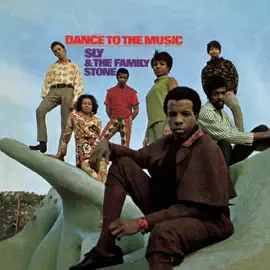
Released as a single in November 1967, “Dance to the Music” became Sly and the Family Stone’s breakthrough moment, climbing to No. 8 on the Billboard Hot 100 and No. 9 on the R&B chart by early 1968. But here’s the twist: the band members themselves thought the song was unhip. Saxophonist Jerry Martini later called it glorified Motown, admitting that creating the track felt like selling out their experimental vision. Sly Stone had crafted it specifically to appease CBS executive Clive Davis, who demanded something more radio-friendly after their debut album barely made a ripple.
When the single entered the charts in February 1968, it spent 15 weeks there, ultimately reaching No. 7 in the UK. While the band was busy changing the landscape of American music, they were competing with oddities like Paul Mauriat’s orchestral instrumental and Bobby Goldsboro’s tearjerker ballads. What made their chart run remarkable wasn’t just the numbers but the instant impact on the industry. Within months, Norman Whitfield had steered The Temptations toward psychedelic soul with their Grammy-winning track, and Motown’s entire sound shifted to follow Sly’s template.
The song emerged from recording sessions at CBS Studios in Los Angeles during 1967, with Sly handling production duties himself. He’d been working as both a record producer at Autumn Records and a DJ at San Francisco’s KDIA when he formed the band, and he knew exactly what worked on radio. The recording captured the band’s raw energy through live tracking, with targeted overdubs adding depth. During one session, Jerry Martini grabbed his soprano sax and started marching around the control room like the Pied Piper while they played back the track through massive speakers. Sly immediately stopped the tape and shouted for him to get back in the booth to record it.
The revolutionary aspect wasn’t just the sound but who was making it. Four singers traded lead vocals, black musicians alongside white ones, women playing alongside men. Freddie Stone ripped rock guitar riffs while Larry Graham laid down funk basslines that invented the slapping technique. Cynthia Robinson’s trumpet opened the album version with her fierce demand that all the squares go home, and Greg Errico’s syncopated drums drove everything forward. When Sly sang about riding Sally, he was nodding to Wilson Pickett’s recent hit, threading connections through the soul music landscape.
The track appeared on the album of the same name, released in April 1968 as their second studio effort. Other singles from the album like “Higher” and “Are You Ready” showcased different sides of their sound, but none matched the commercial breakthrough of the title track. This was the moment that launched them from San Francisco club favorites into national consciousness. The album also included the ambitious 12-minute “Dance to the Medley”, which Sly later described as a blueprint for the insane experimentation that would define their future work.
The song’s influence rippled across decades. Public Enemy sampled it for their confrontational anthem, while hip-hop pioneers from De La Soul to Kendrick Lamar have drawn from its grooves. The Black Eyed Peas’ will.i.am covered it for a 2005 tribute album, and it became a staple of the band’s explosive live shows, often stretching into nine-minute jams at venues like the Fillmore East. The track earned induction into the Grammy Hall of Fame in 1998 and appears on Rolling Stone’s 500 Greatest Songs list, recognized as the foundational moment when psychedelic soul became a movement.
Drummer Greg Errico perhaps summarized it best when he explained their approach to Rolling Stone: they were political people who wanted to make statements beyond dance songs, but Sly knew they had to capture audiences first before getting sophisticated and political. The formula worked beyond anyone’s expectations, proving that even a song the band considered a compromise could reshape music history. As music historian Joel Selvin observed, there’s black music before Sly Stone and black music after him, and it all pivoted on this three-minute revolution disguised as a party record.
SONG INFORMATION
Artist: Sly and the Family Stone
Song: “Dance to the Music”
Album:Dance to the Music
B-side: “Let Me Hear It From You”
Released: November 17, 1967 (single), April 27, 1968 (album)
Recorded: 1967
Studio: CBS Studios, Los Angeles
Label: Epic (US), Direction (UK)
Songwriter: Sylvester Stewart (Sly Stone)
Producer: Sly Stone
Chart Performance: No. 8 in US, No. 9 on US R&B chart, No. 7 in UK
Sly and the Family Stone’s “Dance to the Music” (1967) hit No. 8 on Billboard. The band thought it was unhip and a sellout, but it changed music forever.by Sly and the Family Stone was inducted into the Grammy Hall of Fame in 1998.