






The Doors – LA Woman
Recorded In A Rehearsal Room After The Producer Walked Out
Released on April 19, 1971, as both the title track and album closer, “L.A. Woman” became The Doors’ final recording with Jim Morrison before his death on July 3, 1971. The album reached number nine on the Billboard 200, spending 36 weeks on the chart and earning gold certification. The title track featured Morrison’s famous anagram Mr. Mojo Risin for his own name, repeated faster and faster toward the song’s climax. Producer Paul Rothchild walked out during early sessions, deriding “Riders on the Storm” as cocktail music and calling the whole project uninspired. Engineer Bruce Botnick stepped up to co-produce with the band, recording them in their own rehearsal space converted into a makeshift studio.
The album produced two top twenty singles with “Love Her Madly” reaching number 20 in March 1971 and “Riders on the Storm” charting after Morrison’s death. The stripped-down blues-rock approach marked a return to The Doors’ early sound after years of increasingly elaborate production. LA Weekly named the title track the all-time best song written about Los Angeles in 2014, while Q104.3 radio ranked it the 40th best classic-rock song in 2013. The album became The Doors’ fifth consecutive gold record despite Morrison’s deteriorating physical and mental state during recording. Robby Krieger repeatedly cited it as the quintessential Doors song, capturing everything the band represented in one seven-and-a-half minute epic.
Morrison conceived the song as his final goodbye to Los Angeles before moving to Paris, personifying the city as a woman while drawing inspiration from John Rechy’s 1963 transgressive novel City of Night. Krieger’s opening guitar riff mimicked the sound of an accelerating automobile engine, establishing the sense of motion and escape that permeates the track. Morrison had mentioned leaving The Doors at the end of 1968, and by late 1970 his conviction for the Miami incident and ongoing battles with alcoholism made the band’s future uncertain. Ray Manzarek convinced him to stay on for one more album, and Morrison poured his conflicted feelings about Los Angeles into the title track, alternating between passion and disdain for what he called the city of night.
Sessions took place between December 1970 and January 1971 at The Doors’ Workshop, a two-story building on Santa Monica Boulevard. The band worked without Rothchild for the first time in their career, bringing in bassist Jerry Scheff and rhythm guitarist Marc Benno to flesh out their sound. Manzarek later told Mojo they were going for a much rawer sound, the spontaneous Zen moment, explaining they smoked a joint and locked in. Morrison recorded some vocals in an adjoining bathroom for additional resonance, his voice alternating between soft and thunderous. The album took just two weeks to record, with most songs captured live in one or two takes. Krieger and John Densmore both described a sense of liberation working without a producer dictating their every move.
“L.A. Woman” closed side one of the album released April 19, 1971, which became The Doors’ sixth studio album and their final major-label release with Morrison. The band had entered the sessions at an uncertain creative crossroads, with Morrison’s Miami trial conviction still hanging over them and concert bookings dwindling. Three months after the album’s release, Morrison was found dead in a Paris bathtub at age 27. The unique burgundy-colored curved-corner cardboard cutout sleeve with clear embossed cellophane insert became a collector’s item, with Morrison appearing bearded on the front cover. Elektra Records chief Jac Holzman explained they weren’t sure there would be another album ever, so they created a collector’s cover where Morrison’s photo was no bigger than the others, just another guy in the band.
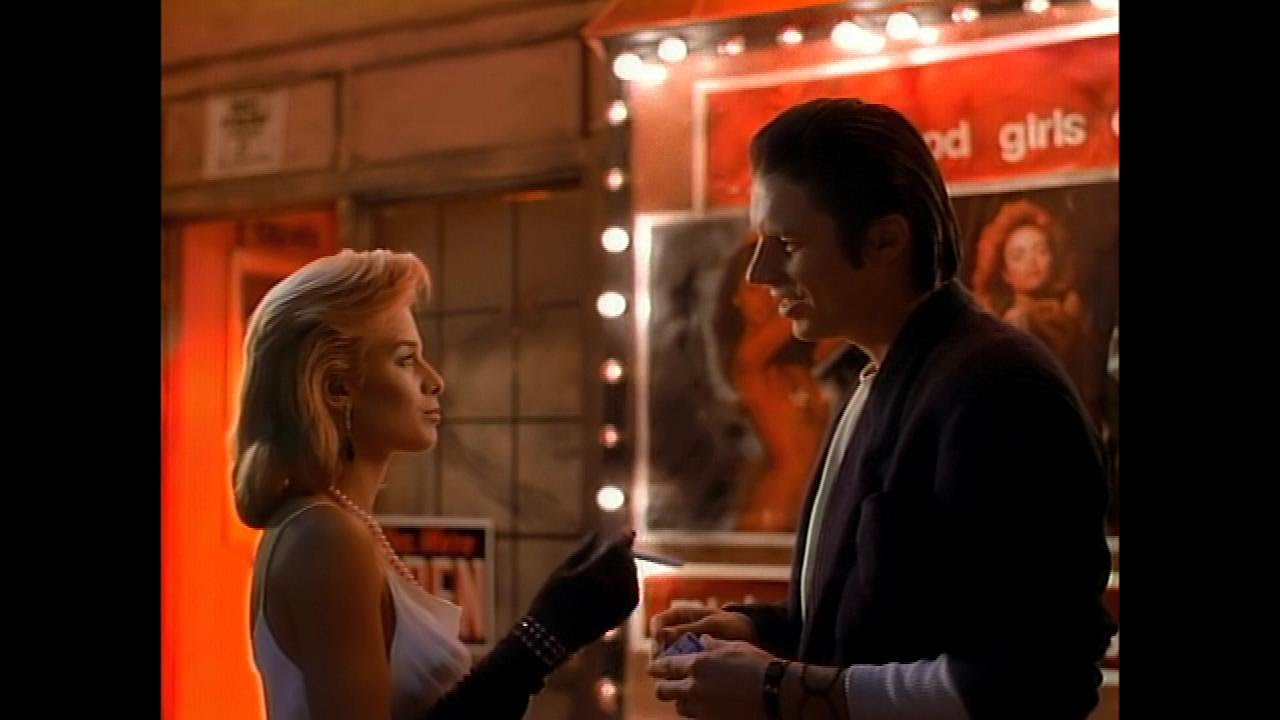
The song has rarely been covered due to its length and Morrison’s distinctive performance, though Billy Idol recorded a version for his 1990 album Charmed Life, commenting that Morrison was singing about an America he was very jaded with. Ray Manzarek directed a promotional clip in 1985 that was aired on MTV and included in the film Dance on Fire. The track appeared prominently in various documentaries about The Doors and Los Angeles, cementing its status as the definitive musical portrait of the city. The 40th anniversary edition released in 2011 included extensive interviews with surviving members and a documentary titled Mr. Mojo Risin’: The Story of L.A. Woman detailing the album’s creation.
“L.A. Woman” stands as Jim Morrison’s epitaph and The Doors’ final statement with their legendary frontman. The song captured Morrison at his most conflicted, torn between the city that made him famous and the European escape he believed would save him. Manzarek later called it his favorite Doors album, describing it as representing a drive across the great American Southwest, alive and free and young and wild. The impending demise was visible in the album cover photo where Morrison sat because he was drunk, carrying a great weight that a psychic would have known meant that guy was on the way out. The song that took two weeks to record in a converted rehearsal room after their producer quit became the perfect goodbye to Los Angeles and the perfect farewell from a doomed poet who understood that Mr. Mojo Risin was just another way of saying Jim Morrison was dying.
SONG INFORMATION
Related videos
![Van Halen – Jump (Official Music Video) [HD]](https://musicvideosclub.com/wp-content/uploads/2025/05/van-halen-jump-official-music-vi-360x203.jpg) Watch LaterAdded
04:03
Watch LaterAdded
04:03  Watch LaterAdded
03:34
Watch LaterAdded
03:34  Watch LaterAdded
12:26
Watch LaterAdded
12:26