




![The Score – Revolution: Lyrics [Assassins Creed: Unity]](https://musicvideosclub.com/wp-content/uploads/2025/10/the-score-revolution-lyrics-assa-360x203.jpg)






![Kid Rock – All Summer Long [Official Music Video]](https://musicvideosclub.com/wp-content/uploads/2025/12/kid-rock-all-summer-long-officia-360x203.jpg)




![Sister Sledge – Hes the Greatest Dancer (Official Music Video) [4K]](https://musicvideosclub.com/wp-content/uploads/2025/09/sister-sledge-hes-the-greatest-d-360x203.jpg)
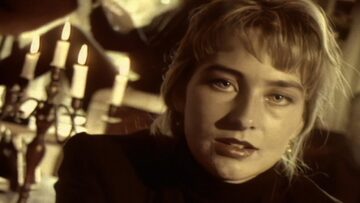
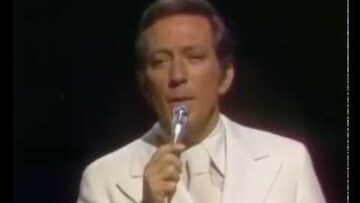
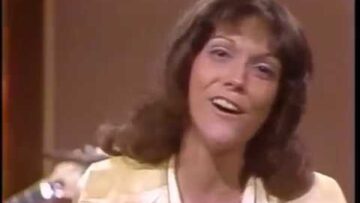
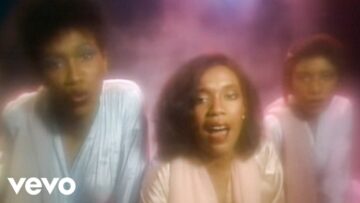


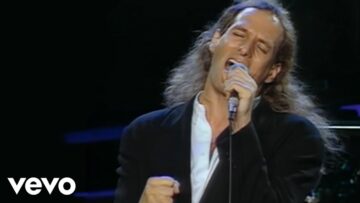

The Manhattan Transfer – Chanson D’Amour
Released From An Album Nobody Expected To Chart
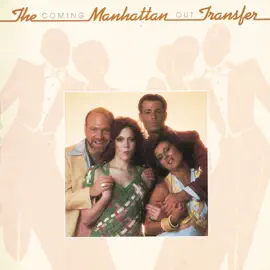
Released in early 1977 from their third album Coming Out, The Manhattan Transfer’s cover of “Chanson D’Amour” topped the UK Singles Chart for three consecutive weeks starting March twelfth and reached number one in Ireland and Norway for two weeks while climbing to number sixteen on the US Easy Listening chart. The track spent thirteen weeks on the UK chart, sold over six hundred thousand copies in Britain alone, and became the vocal jazz quartet’s most widespread international success despite being overlooked in America on pop radio. What most fans don’t know is that the song appeared on Coming Out, recorded in August 1976 and released months before it became a single, when nobody expected vintage lounge material to dominate European charts. The group had revived Wayne Shanklin’s 1958 composition that Art and Dotty Todd originally recorded as the rock and roll era began, when old-time DJs desperate for anything that wasn’t rock jumped on their nostalgia offering. Nearly twenty years later, The Manhattan Transfer’s sophisticated jazz arrangement captured that same retro appeal for audiences craving alternatives to disco and punk.
The single entered the UK chart at number forty on February fifth, 1977, and climbed rapidly through February, reaching number eighteen, then twelve, then six before hitting number three on March fifth. The following week it jumped to number one where it remained for three consecutive weeks through March twelfth, nineteenth, and twenty-sixth before dropping to number three, then five, eleven, seventeen, and forty over its final four weeks. Across Europe, it hit number six in both the Netherlands and Switzerland, number eight in France, and number twenty in Germany. In Norway, it topped the chart for two weeks. The track reached number nine in Australia, fourteen in New Zealand and South Africa. In the United States, it stalled at number sixteen on the Easy Listening chart, never crossing over to the Hot 100 despite the group’s American roots. This disparity between European embrace and American indifference became typical for the quartet, whose sophisticated arrangements found more receptive audiences abroad than in their native New York.
Wayne Shanklin wrote “Chanson D’Amour” in 1958 specifically for Art and Dotty Todd, a husband-and-wife lounge duo performing at Los Angeles’s Chapman Park Hotel. According to Art Todd, Shanklin stopped them one day saying he had a great song for them. Shanklin produced a demo of the Todds singing his composition and shopped it to Era Records, who released the demo track as their single. The airplay was sensational, Art recalled, noting this happened just as rock and roll was beginning and old-time DJs who hated the new sound jumped on their traditional offering. The Fontane Sisters recorded a competing version that also charted, reaching number twelve while the Todds peaked at number one. The Lettermen revived it in 1966, reaching number eight on Easy Listening. The Manhattan Transfer discovered it while digging through vintage jazz and swing recordings, recognizing its sophisticated melody and French lyrics would fit their retro aesthetic perfectly. The group specialized in reviving forgotten gems from the twenties through fifties, reimagining them with tight harmonies and jazz arrangements that honored tradition while adding contemporary polish.
The Manhattan Transfer recorded Coming Out during 1976 at various studios with the song appearing alongside other retro selections. The lineup for this album consisted of Tim Hauser, Alan Paul, Janis Siegel, and Laurel Massé, the second incarnation of the group formed in October 1972. Musicians included Andy Muson on bass, Jim Gordon on drums, Ira Newborn on guitar, and additional pianists contributing to the lush production. The arrangement opened a cappella before introducing piano, bass, and gentle percussion that supported rather than dominated the four-part harmonies. The production emphasized the vocal interplay, with Paul, Siegel, Massé, and Hauser trading lines and blending seamlessly on the French chorus. The track showcased their ability to make vintage material sound fresh without resorting to ironic distance or heavy modernization. They sang it straight, trusting that Shanklin’s melody and their technical precision would connect with audiences seeking alternatives to contemporary sounds dominating radio. The album also featured “Zindy Lou” with Ringo Starr and Jim Keltner on drums and Dr. John on piano, demonstrating the respect the group commanded from rock royalty despite their jazz focus.
Coming Out marked The Manhattan Transfer’s commercial breakthrough after their 1975 self-titled album had established their presence. The album peaked respectably and launched the single that would define their career trajectory in Britain and Europe. Beyond this track, the album demonstrated their range across swing, jazz, and pop standards. In 1978, tragedy nearly ended the group when Laurel Massé suffered serious injuries in a car accident. They didn’t know if they could continue, but Atlantic Records head Ahmet Ertegun encouraged them to find a replacement. After auditioning ten singers, Cheryl Bentyne won the position within twelve bars, with the group immediately bringing out champagne and declaring her hired. Bentyne’s first album Extensions won them their first Grammy Awards in 1980 for their cover of Weather Report’s “Birdland,” transforming them from nostalgic curiosities into serious jazz vocalists. In 1981, they made history as the first group to win Grammy Awards for both pop and jazz in the same year with “Boy from New York City” and “Until I Met You.”
The song appeared in the final episode of British sitcom Are You Being Served in 1984 titled “The Pop Star,” with all the staff performing it in what became definitive for many British viewers. It also featured on Stanley Kubrick’s final film Eyes Wide Shut soundtrack in 1999, introducing it to another generation. Multiple artists covered the track including The Nolans and even The Muppets, testament to its universal appeal across demographics. The song’s success in Britain created lasting affection for The Manhattan Transfer, who returned to UK charts throughout the late seventies and eighties despite never achieving equivalent American pop success. Janis Siegel reflected decades later that they’d all kept day jobs when forming in 1972, with her waitressing and Alan Paul performing in the Broadway cast of Grease. The success of this single let them finally commit full-time to the quartet, validating years of dedication to a sound nobody thought would find mass audiences in the disco era.
“Chanson D’Amour” endures as proof that nostalgia cycles faster than expected and audiences never truly abandon sophisticated vocal harmony regardless of prevailing trends. The Manhattan Transfer’s ability to honor Art and Dotty Todd’s original while stamping it with their distinctive four-part jazz arrangements demonstrated how great songs transcend their era when interpreted by musicians who understand their essence. The fact that it came from an album released months before becoming a single speaks to how unpredictable hits can be—nobody expected lounge revivalism to dominate UK charts in early 1977, yet here was a nineteen-fifties composition topping charts two decades later because four jazz singers from New York believed vintage material deserved another chance. What began as Wayne Shanklin stopping a lounge duo to say he had a great song became an international hit twice across two decades, proving that truly great melodies never die—they just wait for the right voices to resurrect them.
Manhattan Transfer
Tim Hauser, Janis Siegel – vocals, arranger
Laurel Massé, Alan Paul – vocals
Musicians
John Barnes – piano
Steve Paietta – accordion
Ira Newborn, Ben Benay – guitar
Andy Muson – bass
Jim Gordon – drums
Related videos
 Watch LaterAdded
03:27
Watch LaterAdded
03:27  Watch LaterAdded
02:55
Watch LaterAdded
02:55  Watch LaterAdded
03:10
Watch LaterAdded
03:10