


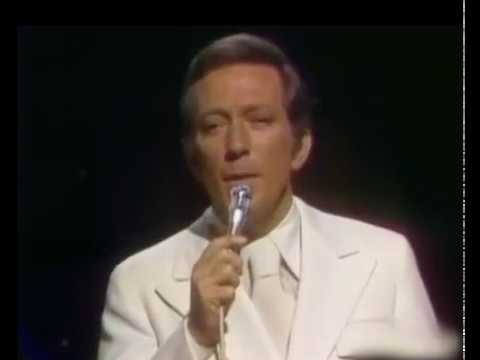

Andy Williams – Where Do I Begin (Love Story)
Paramount Rejected The First Lyrics As Too Sexually Suggestive
Released on January thirteenth, 1971, as the lead single from his twenty-seventh studio album Love Story, Andy Williams’ “Where Do I Begin (Love Story)” peaked at number nine on the Billboard Hot 100 and topped the Easy Listening chart for four weeks. In the UK, the single reached number four and spent eighteen weeks on the chart. The track became Williams’ first top ten pop hit since “Can’t Get Used to Losing You” in 1963 and helped the album reach number three while earning gold certification within a month of release. What most fans don’t know is that lyricist Carl Sigman wrote two completely different versions of the song. His first attempt mirrored the tragic film storyline from Oliver’s perspective, mentioning Jenny by name and her death. Paramount executive Robert Evans rejected those lyrics as depressing and claimed the phrase “Jenny came” was too sexually suggestive for mainstream audiences. When Sigman paced his living room frustrated, asking his wife where to even begin a rewrite, that question became the new opening line and transformed a film synopsis into a timeless declaration of love.
The single entered the Billboard Hot 100 on February sixth and climbed steadily through winter and spring, peaking at number nine during its thirteen-week run. It performed even better on the Easy Listening chart, where it spent fifteen weeks and dominated the top spot for four consecutive weeks from March into April. Williams had tied this four-week Easy Listening chart record previously with his 1963 hit “Can’t Get Used to Losing You,” making this achievement particularly meaningful. The Tony Bennett version, recorded just weeks earlier in December 1970, only managed to bubble under the Hot 100 at number one hundred fourteen despite Bennett being first to record the Sigman lyrics. Meanwhile, Henry Mancini’s instrumental interpretation reached number thirteen on the Hot 100 and number two on Easy Listening. The Williams version dominated, outselling both competing recordings and becoming the definitive vocal rendition despite entering the marketplace third. Roy Clark’s country version peaked at number seventy-four in late March, giving the song simultaneous chart presence across pop, easy listening, and country formats.
Francis Lai composed the instrumental theme for Arthur Hiller’s film Love Story, which opened Christmas 1970 and became the highest-grossing film of that year. The movie earned seven Academy Award nominations including Best Picture, with Lai winning the Oscar for Best Original Score. Paramount’s music publisher felt the theme needed lyrics and approached Carl Sigman, whose son Michael later recalled his father received a script synopsis and Lai’s lead sheet. Sigman’s initial lyrics told the film’s story literally, describing Jenny entering Oliver’s life and being suddenly gone. When Evans demanded a rewrite, Sigman felt insulted but cooled off overnight. The next morning, pacing his living room and asking his wife where to begin, inspiration struck. The new lyrics abandoned specific narrative details for universal expressions of transformative love. Sigman never mentioned Jenny or death, instead crafting verses that could apply to any great love story. The strategy worked brilliantly, separating the song from the film’s tragedy and giving it standalone emotional power that endured long after audiences forgot the movie’s plot details.
Williams recorded the track at Columbia’s studios in late 1970 with producer Dick Glasser overseeing sessions and arrangements by Artie Butler and Dick Hazard. The production featured lush string arrangements that complemented Williams’ warm baritone, creating an intimate yet expansive sound perfectly suited for both radio play and intimate listening. Williams had established himself throughout the sixties as America’s premier easy listening vocalist, hosting his Emmy-winning variety show from 1962 to 1971 while releasing a string of albums that defined sophisticated middle-of-the-road pop. His voice brought maturity and sincerity to Sigman’s lyrics, conveying wonder and devotion without slipping into sentimentality. The arrangement built gradually from understated opening verses to a fuller orchestral conclusion, mirroring the lyrics’ journey from tentative questions to confident declarations. Columbia released both a standard three-minute-ten-second single version and a slightly longer album cut, with the single version dominating radio while the album track allowed Williams’ phrasing more room to breathe.
The Love Story album debuted on the Top LP’s chart on February twentieth, 1971, and spent thirty-three weeks there, peaking at number three. It earned gold certification on March twenty-second and platinum certification fifteen years later in November 1986. The album featured Williams covering contemporary hits including George Harrison’s “My Sweet Lord” and Elton John’s “Your Song,” but the title track remained the centerpiece and only original hit. For UK release, the album was retitled Home Lovin’ Man and didn’t include the title track, which instead appeared on a completely different UK compilation also called Love Story that reached number eleven. The single’s success came during a transitional period for Williams, whose television variety show was entering its final season after nine years. Though his TV ratings remained strong, his recording career had cooled considerably since the early sixties. This song provided a commercial and creative resurgence, proving he could adapt to contemporary production styles while maintaining the smooth, sophisticated approach that defined his best work.
The song has been covered extensively across genres and languages. Jerry Vale, The Lettermen, and countless easy listening artists recorded versions throughout the seventies. Shirley Bassey released her interpretation in 1972, bringing dramatic flair to Sigman’s lyrics. The song became a staple of wedding receptions and anniversary celebrations, its universal expressions of devotion making it suitable for any romantic occasion. In 2007, the Love Story soundtrack was inducted into the Grammy Hall of Fame, recognizing Lai’s composition as culturally and historically significant. The American Film Institute ranks Love Story as the ninth most romantic film ever made, with much of that reputation built on Lai’s theme and Williams’ vocal interpretation. The film itself took in over one hundred thirty million dollars worldwide, rescuing Paramount Pictures from financial disaster and proving that audiences craved emotional catharsis during turbulent early seventies America. Williams’ recording outlasted the film’s cultural moment, becoming a standard independent of its cinematic origins.
“Where Do I Begin” represents Andy Williams at his sophisticated best and stands as a testament to Carl Sigman’s songwriting wisdom in choosing universality over specificity. When Sigman asked his wife where to begin that frustrated morning, he found the perfect opening for a love song that transcended its source material and became something bigger than the film that inspired it. Williams brought his decades of vocal mastery to bear on Sigman’s rewrite, delivering each line with the conviction of someone who understood that great love songs ask questions as much as they provide answers. The journey from rejected lyrics to enduring standard demonstrates how creative constraints often produce superior results, and how the right vocalist can elevate good material into something timeless. Fifty-four years later, couples still choose this song for their first dance, proving that Sigman’s moment of inspiration and Williams’ elegant interpretation created something that really does feel older than the sea.
Enjoyed this one? New forgotten gems every day — tap Music Videos Club below to visit and follow us on Facebook:
Related videos
 Watch LaterAdded
05:03
Watch LaterAdded
05:03  Watch LaterAdded
04:03
Watch LaterAdded
04:03  Watch LaterAdded
05:29
Watch LaterAdded
05:29