The Midnight Plea That Country Radio Didn’t Know It Needed
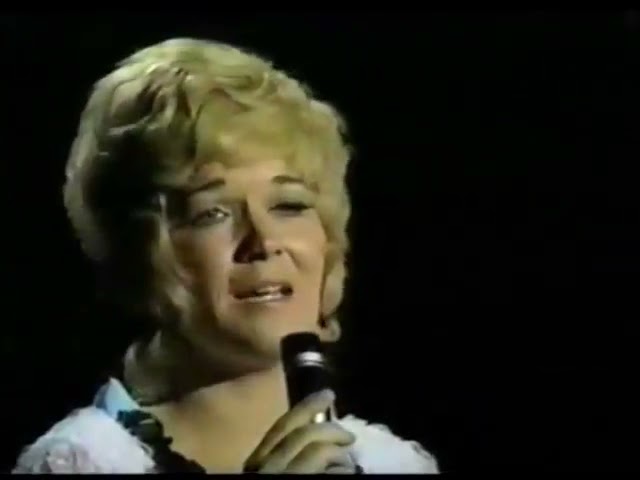
When Sammi Smith released “Help Me Make It Through the Night” in December 1970, it didn’t feel like a polite country single—it felt like an adult confession caught on tape. The first thing that grabbed listeners wasn’t a big intro or a flashy hook, but the honesty of the ask: no promises, no speeches, just survive tonight. It was a Kris Kristofferson song, but Smith’s reading made it sound like she’d lived every line. The lesser-known kicker: the record became so dominant it ended up changing the identity of the album it came from.
In early 1971, the song’s rise turned into a full-on takeover. It hit No. 1 on the US country chart and didn’t just stay in its lane—it crossed over to No. 8 on the Billboard Hot 100 and No. 3 on the easy-listening chart, a rare triple-threat for something this intimate. The timing matters: while radio was full of sparkle and swagger, Smith’s voice arrived like a late-night phone call. And that contrast is exactly why it felt unavoidable, the kind of hit that doesn’t win by shouting, but by telling the truth quieter than everyone else.
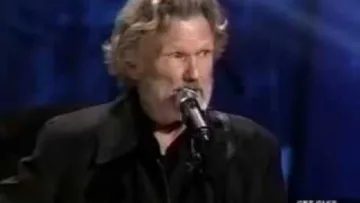
Kristofferson wrote “Help Me Make It Through the Night” with the kind of blunt tenderness country music often implied but didn’t always say out loud. What most people miss is how carefully Smith chose her angle: she didn’t play it for shock, and she didn’t soften it into something “safe.” She sang it like a grown woman drawing a boundary around the moment—tomorrow can judge us, but tonight needs company. That choice turned a potentially controversial lyric into something strangely universal, because it wasn’t about being naughty; it was about being lonely.
Smith recorded the track in Nashville in May 1970 at Monument Studios, with producer Jim Malloy keeping the room focused on feel over flash. You can hear the discipline in the performance: she never oversells the line, never winks at it, never begs. Everything sits in that tense space between strength and vulnerability, the exact place where the song lives. It’s the kind of take musicians remember because the air changes when it happens—like everyone in the studio realizes they’re watching a career move into a new tier.
The bigger picture is just as telling. The song anchored her debut LP for Mega Records, originally titled He’s Everywhere—until “Help Me Make It Through the Night” became the record people couldn’t stop asking for. The label leaned into what the public was already doing and effectively let the hit rename the era. In a crowded field of great singers, this was the moment Sammi Smith stopped being “one of many” and became the voice attached to a cultural shift toward more adult, emotionally direct country-pop.
Its long tail is huge. Big artists have covered the song across genres, but Smith’s version remains the reference point because it nails the balance: intimate without being fragile, sensual without posing. The track’s reputation only grew over time, eventually earning a place in the Grammy Hall of Fame—less a trophy than a reminder that honesty ages well. Plenty of records sound like their decade; this one sounds like a situation you could walk into tonight.
If you’re grading Sammi Smith’s catalog, this is the five-star cornerstone: the record that made her name and rewired what mainstream country could say out loud. It’s a crossover hit that doesn’t chase crossover tricks. It just walks straight into the room and speaks. And decades later, that’s still the most powerful move a song can make.
SONG INFORMATION
Artist: Sammi Smith
Song: “Help Me Make It Through the Night”
Album:Help Me Make It Through the Night
B-side: “When Michael Calls”
Released: December 1970
Recorded: May 1970 (Nashville, Tennessee)
Studio: Monument Studio (Nashville, Tennessee)
Label: Mega
Songwriter: Kris Kristofferson
Producer: Jim Malloy
Chart Performance: No.1 in US Country, No.8 in US, No.3 US Easy Listening