







Al Green – Let’s Stay Together
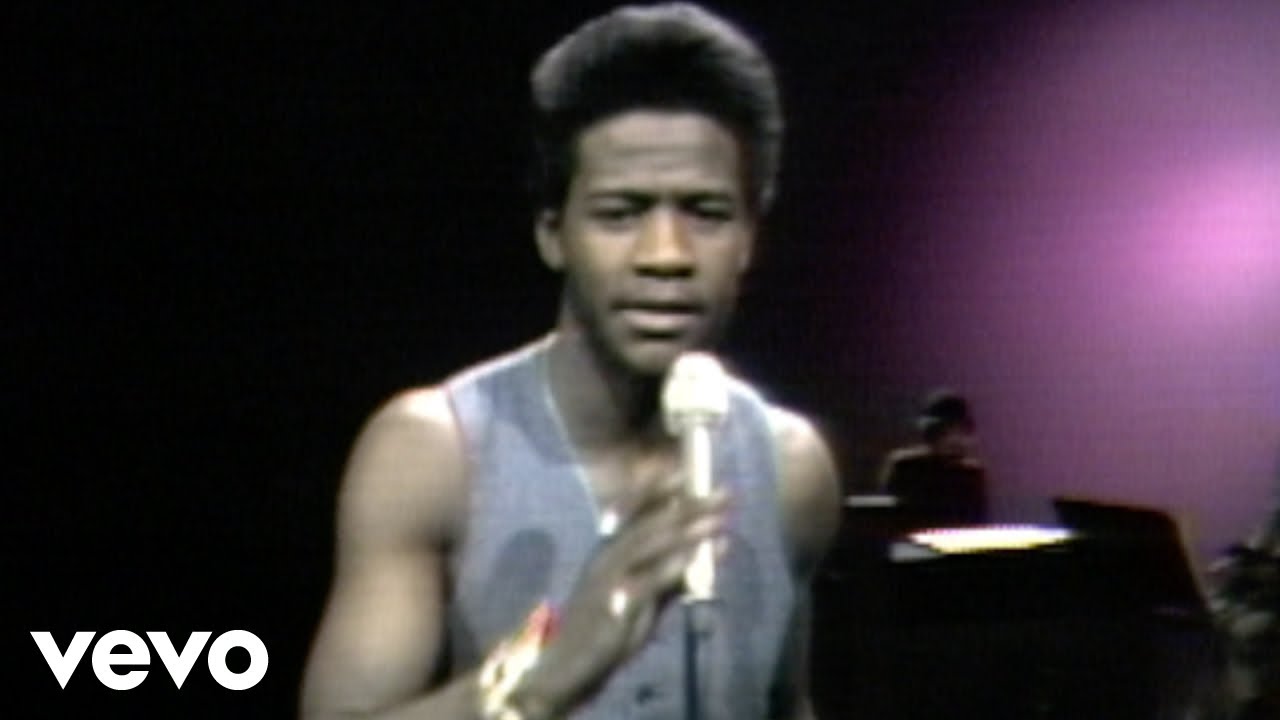
Close enough to the original hit for the promise to still feel new, Al Green’s early-’70s performance of **“Let’s Stay Together”** on PBS’s Soul! captures the moment when a classic was still becoming itself.
What makes Al Green’s performance of “Let’s Stay Together” on PBS’s Soul! so compelling is that it arrives before the song had fully hardened into legend. That distinction matters. When most people encounter “Let’s Stay Together” now, they hear it through decades of reuse, reverence, covers, weddings, film placements, and cultural shorthand. On Soul!, though, Green is still close enough to the song’s original breakthrough that the emotional temperature feels different. The performance is not trying to honor a monument. It is presenting living material to a television audience at a moment when the record’s reputation was still fresh, its style still contemporary, and Green’s command of it still carrying the charge of discovery rather than retrospective confirmation.
That is one reason the setting matters so much. Soul! was not just another variety-show stop or a lightly formal television showcase. It gave Black music and Black culture a seriousness and space that much of American television still struggled to offer. In that context, Green’s performance of “Let’s Stay Together” feels unusually well framed. The song itself had already announced something crucial about him. Released in late 1971 and later anchored to the 1972 album of the same name, it gave Green his first No. 1 on the Billboard Hot 100 and another No. 1 on the R&B chart. Written by Green with Willie Mitchell and Al Jackson Jr. and produced by Mitchell, the record did not storm its way into public life. It moved with grace, certainty, and seduction, which turned out to be even more powerful.
The hit was still new enough to breathe
That freshness is all over the Soul! performance. Green does not approach “Let’s Stay Together” as if it requires explanation or embellishment. He understands the strength of the song’s architecture and lets that do much of the work. The vocal remains supple, but there is also an undercurrent of discipline that keeps the song from floating away on pure sweetness. Green was always more precise than casual listeners sometimes remembered. The lightness in his voice could make his control seem effortless, but it was a highly calibrated kind of effortlessness: the timing of a phrase, the way he lets a line rise and then ease back, the care he takes not to overstate what is already persuasive on the page. On Soul!, those qualities are especially visible because the performance sits so close to the song’s emergence.
That proximity changes the meaning of the lyric too. Later live performances of “Let’s Stay Together” often carry a layer of accumulated memory. The audience knows the song, the singer knows the audience knows it, and a kind of gentle ritual takes over. In the early-’70s television setting, the promise inside the song still feels less ceremonial and more immediate. The lyric is not yet carrying the full weight of its own afterlife. It sounds like an active persuasion, almost conversational in places, with Green balancing tenderness against confidence in a way that became one of his defining gifts. That balance is central to why the song lasted. It never pleads too much, never stiffens into decorum, and never mistakes sensuality for slackness. It moves like conviction dressed as ease.
Television as a witness to a style taking shape
The performance also catches something broader about Al Green’s place in soul music at the time. He was not merely fronting a strong band or delivering well-written songs. He was refining an entire vocabulary of intimacy on record and onstage, one that Willie Mitchell’s production helped make unmistakable. The Hi Records sound behind Green had elegance built into it, but elegance alone does not explain the effect. What Green brought was a way of sounding emotionally exposed without losing control, spiritually inflected without becoming remote, and deeply romantic without turning sentimental. On Soul!, with the camera trained closely enough to register small shifts in expression and phrasing, that style becomes easier to see as a style rather than a natural accident. It was artistry, not atmosphere.
Seen now, the PBS performance does more than preserve a great singer near his peak. It lets you watch “Let’s Stay Together” before history finished wrapping it in prestige. That is a rare privilege. The song is already recognizably itself, already graceful, already fully written and emotionally exact. But it is still alive in the tense of the present rather than protected by memory. Green does not sing it as a standard, and he does not need to. He sings it as a current truth, which is precisely what gives the footage its force. Plenty of classic performances survive because they confirm what later generations already believe. This one survives because it lets you witness the belief forming in real time.