








The Pointer Sisters – Automatic
Found In A Stash Of Rejected Demo Tapes During A Recording Break
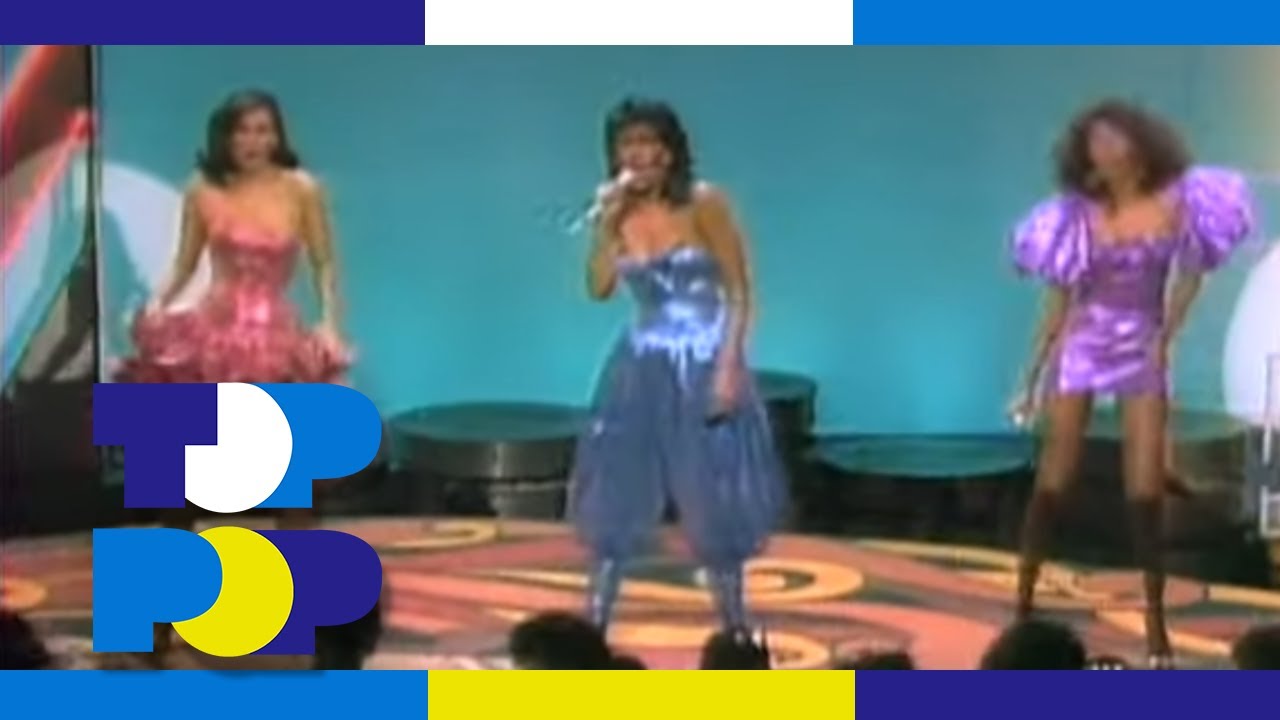
Released on January 13, 1984 as the second single from Break Out, “Automatic” reached number five on the Billboard Hot 100 and number two on the R&B chart, while spending two weeks stuck at number two in the UK behind Duran Duran’s “The Reflex”. The song became the Pointer Sisters’ all-time biggest UK hit and earned them a Grammy Award for Best Vocal Arrangement for Two or More Voices. But here’s the story nobody tells: “Automatic” was the last song chosen for the album, discovered purely by accident when the sisters were taking a recording break in producer Richard Perry’s office. Jim Tract, Perry’s right-hand man, casually mentioned he had a stash of demo tapes they might want to listen to while on a breather. Ruth Pointer remembers them all sitting up straight when they first heard it, immediately telling Perry they wanted it on the album. That pile of rejected demos contained what would become their signature song.
The chart performance tells a remarkable story about how radio can override record label strategy. Producer Richard Perry originally chose the ballad “I Need You” as the lead single to rebuild the Pointer Sisters’ presence at R&B radio, while “Jump (For My Love)” was slated as the second single. But when “Automatic” started getting massive airplay from dance clubs and radio stations as an album cut, the label had no choice but to make it the official second single instead. The song stayed in the Billboard Hot 100 top ten for six consecutive weeks, the top twenty for nine weeks, and the top forty for fourteen consecutive weeks. It peaked at number 48 on the year-end chart for 1984. In the UK, it spent seventeen weeks on the charts total. The song also hit number one in Ireland, number five in Belgium, number eight in Australia, number nine in the Netherlands, and number eight in New Zealand, earning Silver certification from the BPI.
Songwriters Brock Walsh and Mark Goldenberg crafted the lyrics around the concept of romantic feelings being automatic, comparing love’s excitement to a robot following systematic commands. Ruth Pointer’s distinctive contralto voice became the defining element, so much so that many listeners mistakenly thought a male singer performed the lead vocal. Ruth later said she and her sisters immediately knew the low parts would be hers when they heard the demo. The robot metaphor worked because it captured both the mechanical precision of infatuation and the way desire can override rational thought. The song’s synth-heavy new wave production represented a dramatic shift from the Pointer Sisters’ earlier jazz, bebop, and country roots, but Richard Perry understood that MTV and dance clubs were reshaping pop music in 1984. He pushed the sisters toward electronic sounds, and they trusted his vision even when it meant abandoning their musical heritage.
Recording took place primarily at Studio 55 in Los Angeles in 1983, with additional sessions at Baby’O Recorders, The Music Grinder, and Brian Elliott Studios, all in Los Angeles. Richard Perry produced with associate producers Brock Walsh and Glen Ballard handling the track specifically. Engineer Michael Brooks recorded the sessions with Bill Schnee handling the remix engineering, while Stephen Marcussen mastered the album at The Mastering Lab. The track featured co-writer Brock Walsh on keyboards and programming alongside associate producer Glen Ballard. Session musicians included Howie Rice on Minimoog, synthesizers, and drum machine programming, and Stephen Mitchell on synthesizer programming. Greg Phillinganes, who had worked with everyone from Stevie Wonder to Michael Jackson, played keyboards across the album. The production emphasized sequencers, electronic drums, and layered synths, creating that distinctive robotic pulse that made the song instantly recognizable on MTV.
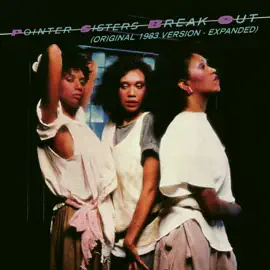
The Break Out album represented the Pointer Sisters at their commercial peak, released on November 1, 1983 on Planet Records. The album eventually spawned an unprecedented four consecutive top ten hits: “Automatic”, “Jump (For My Love)” reaching number three, a remixed version of “I’m So Excited” hitting number nine, and “Neutron Dance” climbing to number six after being featured in Beverly Hills Cop. A sixth single, “Baby Come and Get It”, became a minor hit at number 44. Prior to Break Out, the Pointer Sisters had accumulated only three top ten hits over twelve years. The album peaked at number eight on the Billboard 200 and was certified triple platinum after selling over three million copies in the US alone. Ruth Pointer later admitted she and her sisters hated the album title, saying they kept thinking of it as a rash or jail break. The original pressing included “Nightline” featuring June Pointer, which was later replaced with the “I’m So Excited” remix.
The song’s legacy includes a 2007 dance-pop cover by Ultra Naté that topped the US Hot Dance Music/Club Play charts, a 2006 cover by Belgian singer Afi that reached the Flemish top twenty, and prominent placement in the 2002 video game Grand Theft Auto: Vice City on the FEVER 105 radio station, introducing it to a new generation. Billboard ranked it number 94 on their list of 100 Greatest Girl Group Songs of All Time. The track’s influence extended beyond covers into sampling and cultural references, appearing in films, TV shows, and becoming a karaoke favorite thanks to Ruth Pointer’s accessible vocal range. Many contemporary artists have cited the song’s production as pioneering the synth-driven sound that dominated mid-80s pop. The Grammy win validated Richard Perry’s production instincts while proving that the Pointer Sisters could successfully navigate genre shifts that had destroyed other established acts.
Four decades later, “Automatic” remains the Pointer Sisters’ definitive moment, the song that proved they could adapt and dominate in an era that valued synthesizers over soul. Ruth Pointer’s rich contralto voice gives the track emotional depth that pure dance-pop productions lacked, while the lyrics’ robot metaphor captured something universal about how love overrides our control systems. The fact that it was discovered in a pile of rejected demos during a recording break makes its success feel even more remarkable. Jim Tract probably had no idea that his casual suggestion to browse through some tapes would rescue the song that transformed three sisters from Oakland into global pop icons. Richard Perry’s gamble on electronic production paid off spectacularly, though it came at the cost of alienating fans who preferred the group’s earlier sound. But in 1984, as MTV reshaped the music industry and dance clubs drove hit records, “Automatic” put the Pointer Sisters exactly where they needed to be: at the intersection of credibility and commercial success, with Ruth’s unmistakable voice making robots sound soulful.
SONG INFORMATION
The Pointer Sisters
Ruth Pointer – lead vocals
Anita Pointer – backing vocals
June Pointer – backing vocals
Musicians
Stephen Mitchell – synthesizers
Howie Rice – synthesizers
John Van Tongeren – synthesizers, Minimoog
Brock Walsh – synthesizers, drum machine programming
Paul Fox – E-mu Emulator
Dennis Herring – guitars
Mark Goldenberg – guitar (bridge)
Eddie Watkins Jr. – bass