





The Rolling Stones – (I Can’t Get No) Satisfaction
The Riff That Was Already Snoring When Keith Woke Up
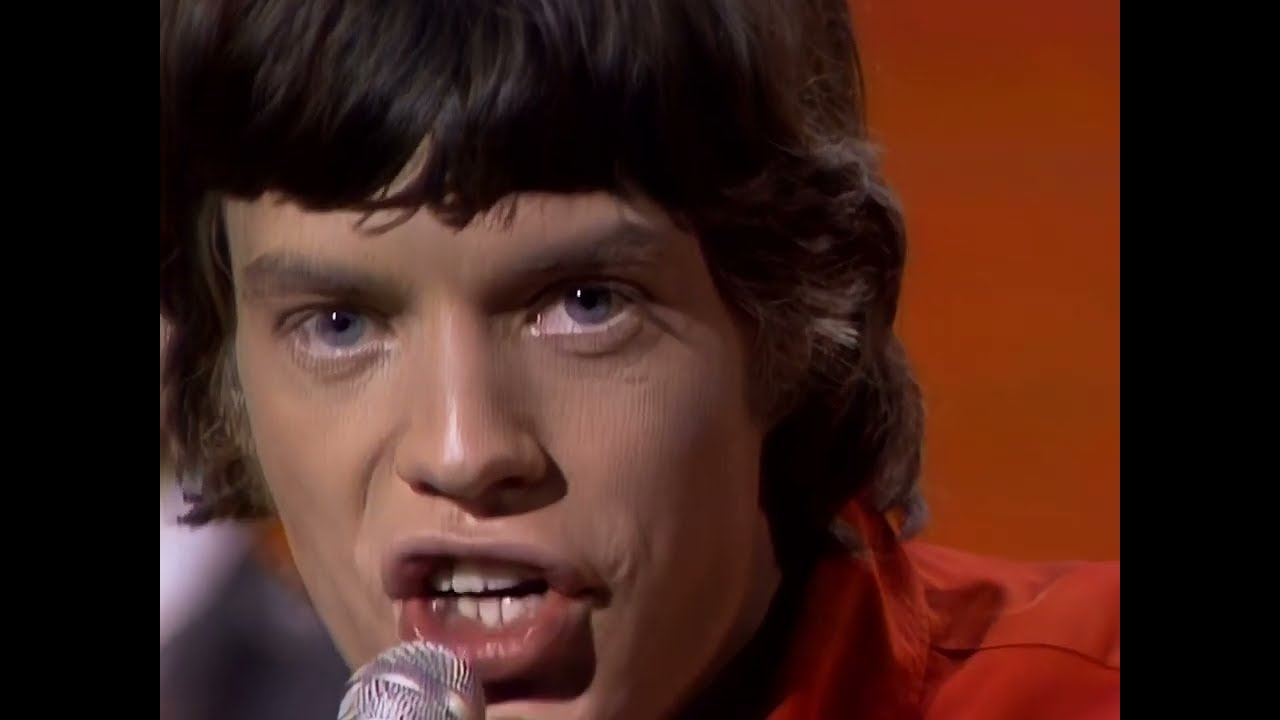
The performance you’re watching from The Ed Sullivan Show on February 13, 1966 captures the Rolling Stones at the precise moment America fully belonged to them. They opened that evening’s broadcast with “(I Can’t Get No) Satisfaction” — their first US number one, the song that had transformed them from a promising British Invasion band into something genuinely dangerous. By the time the Sullivan cameras rolled that night, the song had already been number one for four weeks in America, four weeks in the UK, and had sold millions of copies on both sides of the Atlantic. The Sullivan broadcast, crucially, was uncensored — unlike their Shindig! appearance, where CBS had spliced out the raunchy second verse entirely.
The single was released in the United States on June 6, 1965, and climbed to number one on the Billboard Hot 100 by July, where it sat for four weeks. It also became the Stones’ fourth number one in the UK. Rolling Stone magazine later ranked it number two on its list of the 500 Greatest Songs of All Time. That summer of 1965, Mick Jagger described it as “a signature that everyone knows” — adding, with characteristic restraint, that it “captured a spirit of the times, which is very important in those kinds of songs.”
The origin story starts at the Jack Tar Harrison Hotel in Clearwater, Florida, in the early hours of May 6, 1965. Keith Richards, then 21, woke up with a guitar riff running through his head, pressed record on the Philips cassette player he kept by his bedside, played the riff, mumbled the words “I can’t get no satisfaction” — and immediately fell back to sleep. When he played the tape back the next morning, there were about 30 seconds of riff followed by 45 minutes of snoring. “I had no idea I’d written it,” Richards later wrote in his autobiography. Mick Jagger wrote the lyrics by the hotel pool the following day, inspired partly by the title line’s debt to Muddy Waters’ “I Can’t Be Satisfied.”
Four days later, the Stones recorded a first version at Chess Studios in Chicago — the band’s spiritual home — with Brian Jones playing harmonica. That take was scrapped as too restrained. On May 12, at RCA Studios in Hollywood after an 18-hour session, Richards plugged in a Gibson Maestro Fuzz-Tone pedal — a placeholder device meant to sketch what a horn section would play. Nobody was more surprised than Richards when the rest of the band voted to keep it. “The fuzz tone had never been heard before anywhere, and that’s the sound that caught everybody’s imagination,” he admitted. Gibson sold out of available Fuzz-Tone stock before the year was out. The recording also preserved several small mistakes the band decided to leave in — at one point Richards takes too long to switch on the pedal, at another he hits it a beat early. The imperfections became part of the record’s restless charm.
The song arrived at a pivotal point in the band’s American story. The Stones were midway through their third US tour when it was recorded, with only two genuine American hits to their name. Jagger later reflected that it was simply “the song that made the Rolling Stones” — changing them, in his words, “from just another band into a huge, monster band.” That shift is visible in this Sullivan footage: Jagger fully in command of the stage, working the crowd with an ease that had barely existed twelve months earlier.
Within weeks of the single’s US release, Otis Redding recorded it for Otis Blue — using horns for the main riff, ironically realising Richards’ original vision better than the Stones themselves had. Steve Cropper, who helped produce that session, admitted they had to guess at the lyrics from the record because they couldn’t make them out. Devo’s skeletal new-wave version arrived in 1977. Martin Scorsese used Devo’s take for a pivotal moment in Casino in 1995.
Today, February 28, is the birthday of Brian Jones — born Lewis Brian Hopkin Jones in Cheltenham in 1942, the man who founded the Rolling Stones, gave them their name, played harmonica on the first Chess Studios attempt at this very song, and died far too young at 27 in the summer of 1969. George Harrison, who knew Jones well, put it simply: “There was nothing the matter with him that a little extra love wouldn’t have cured.” Watch this Sullivan performance — Jones is right there, adding texture, locked into the groove he helped build from the beginning. This was still his band too.
SONG INFORMATION
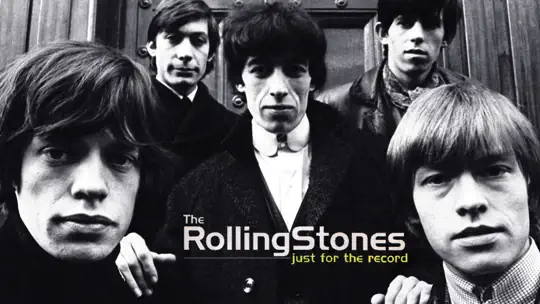
The Rolling Stones
Mick Jagger – vocals, harmonica
Keith Richards – backing vocals, fuzz guitar, electric lead guitar, acoustic guitar
Brian Jones – electric rhythm guitars, acoustic guitar, harmonica, piano, organ
Bill Wyman – bass
Charlie Watts – drums
Additional personnel
Jack Nitzsche – piano, organ, tambourine
Ian Stewart – piano, organ, marimba