



![Bebe Rexha – Meant to Be (feat. Florida Georgia Line) [Official Music Video]](https://musicvideosclub.com/wp-content/uploads/2025/08/bebe-rexha-meant-to-be-feat-flor-360x203.jpg)


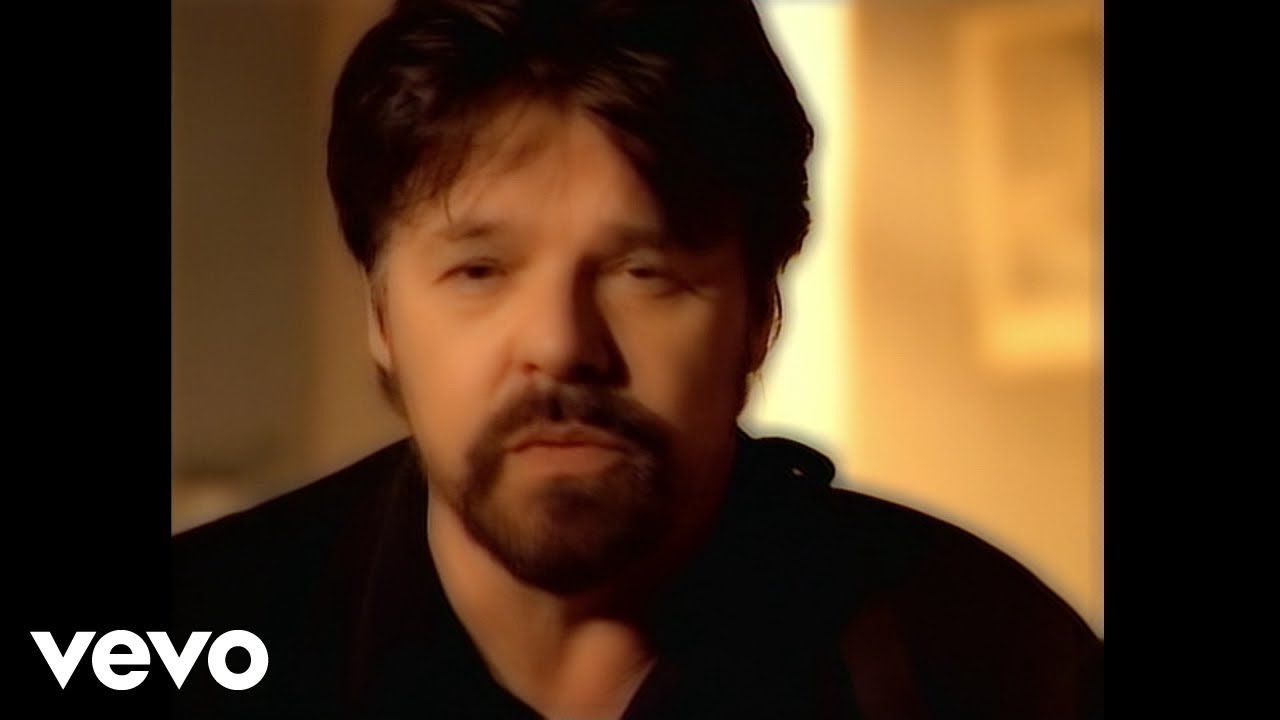
Bob Seger & The Silver Bullet Band – Night Moves
Written At An A&W While American Graffiti Still Haunted Him
Released in December 1976, “Night Moves” entered the Billboard Hot 100 at number 85 and climbed steadily through the winter before peaking at number four on March 12, 1977, where it stayed for two weeks. The single spent 21 weeks on the chart and became Seger’s first top ten hit since “Ramblin’ Gamblin’ Man” eight years earlier. It reached number five in Canada and number 25 in Australia, transforming Seger from a beloved Detroit regional act into a national star. Rolling Stone named it Best Single of 1977, and the song finished ahead of Eagles’ “New Kid in Town” and Fleetwood Mac’s “Dreams” in critical acclaim.
The track catapulted the Night Moves album to number eight on the Billboard 200, where it spent 88 weeks and eventually sold over six million copies in North America. The album spawned two more hits with “Mainstreet” reaching number 24 and “Rock and Roll Never Forgets” climbing to number 41. Capitol Records had been quietly disappointed with Seger’s commercial performance throughout the early 1970s despite his critical respect, but “Night Moves” changed everything overnight. The success also pushed Seger’s 1976 live album Live Bullet back up the charts, where it eventually went quintuple platinum and spent 168 weeks on the Billboard 200. By 1977, Seger was headlining arenas across America instead of opening for other acts.
Seger walked out of a 1973 screening of George Lucas’s American Graffiti thinking that nobody had ever told the story of growing up in his neck of the woods. The film depicted California’s early 1960s car culture, but Seger knew Michigan was different. His crowd held parties in farmers’ fields outside Ann Arbor that they called grassers, drinking beer and dancing in front of car headlights without being hassled by cops. The song took him six months to write, and he scribbled portions of it on napkins at an A&W drive-in restaurant. He’d written the ending first, the part about waking to thunder at four in the morning and wondering about life, but couldn’t figure out how to get there. The dark-haired Italian beauty in the song was real, a year older than Seger, whose boyfriend was away in the military. When the boyfriend returned, she married him and left Seger heartbroken enough to write songs trying to impress her for years afterward.
Seger recorded “Night Moves” at Nimbus Nine Studios in Toronto with producer Jack Richardson, who’d worked with The Guess Who. Seger’s manager wanted him to cut something more commercial, so they’d booked three days in Toronto. The band quickly tracked two forgettable Seger originals and a Motown cover before most of the Silver Bullet Band headed home. Only bassist Chris Campbell and drummer Charlie Allen Martin remained when Seger decided to record the troublesome song he’d been sitting on. Richardson brought in local session musicians Joe Miquelon on electric guitar and Doug Riley on organ, while Sharon Lee Williams, Rhonda Silver, and Laurel Ward sang backing vocals. They cut it in fewer than ten takes, staying until 2:30 in the morning. Seger used Bruce Springsteen’s “Jungleland” as a template for connecting the song’s sections with two distinct bridges, and the descriptive imagery came from Kris Kristofferson’s “Me and Bobby McGee”, which had knocked Seger out years earlier.
“Night Moves” appeared as the title track of Seger’s ninth studio album, released on October 22, 1976, and the first to officially credit the Silver Bullet Band on the cover. Four tracks were recorded with the legendary Muscle Shoals Rhythm Section in Alabama, including “Mainstreet” and “Rock and Roll Never Forgets”, while five featured the Silver Bullet Band. The album marked a turning point in Seger’s career after years of struggling for national recognition despite selling out Cobo Hall in Detroit. Rolling Stone’s Kit Rachlis called it rock and roll in the classic mold, bold and aggressive and grandiloquent, comparing Seger’s raspy vocals to Rod Stewart and his nostalgic lyrics to Bruce Springsteen. The album became Seger’s first platinum record and launched him into a decade of sustained commercial success.
The song has been covered sparingly because of its deeply personal nature, though Garth Brooks and The Killers have performed it live. It appeared in the closing scene of Ralph Bakshi’s 1981 animated film American Pop, where the protagonist performs it as his chance at stardom, and has been featured in television shows including How I Met Your Mother, Supernatural, and The O.C.. The Rock and Roll Hall of Fame named it one of the 500 Songs That Shaped Rock and Roll, Seger’s only selection. Rolling Stone placed it at number 301 on their list of The 500 Greatest Songs of All Time. Director Wayne Isham shot an official music video in 1994 to promote Greatest Hits Volume 2, casting a pre-Friends Matt LeBlanc as the lead after sharing a bottle of tequila with him in Seger’s motorhome, and featuring Daphne Zuniga as the dark-haired beauty.
“Night Moves” remains Bob Seger’s most enduring composition and the song that defined heartland rock for a generation. The double meaning of the title captured everything, both the fumbling adolescent moves in the back seat of a Chevy and the strange way nights themselves seem to move differently as you get older and look back. A Capitol Records promoter told Seger after hearing it that he’d be singing that song for the rest of his career, a prediction that proved accurate through Seger’s 2019 retirement. Critic Dave Marsh suggested that the real Bob Seger story happened in the long silence between the song’s verses and its coda, from the moment he began playing to the moment fifteen years later when he was finally widely heard. Seger himself told the Detroit Free Press that the song still has the exact meaning it always had for him, the freedom and looseness of high school, even though that romance actually happened after graduation. He was nearly 30 when he wrote it, looking back at being 17, and somehow captured what it feels like when thunder wakes you at four in the morning and you can’t stop wondering where all those years went.
SONG INFORMATION
Related videos
 Watch LaterAdded
 Watch LaterAdded
![WAR – Low Rider (Official Video) [Remastered in 4K]](https://musicvideosclub.com/wp-content/uploads/2026/03/war-low-rider-official-video-rem-360x203.jpg) Watch LaterAdded
Watch LaterAdded