




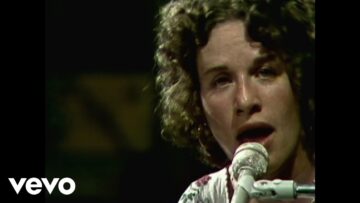


Juice Newton – Angel Of The Morning
Turned Down By Connie Francis As Too Risqué, It Took Three Tries To Become A Hit
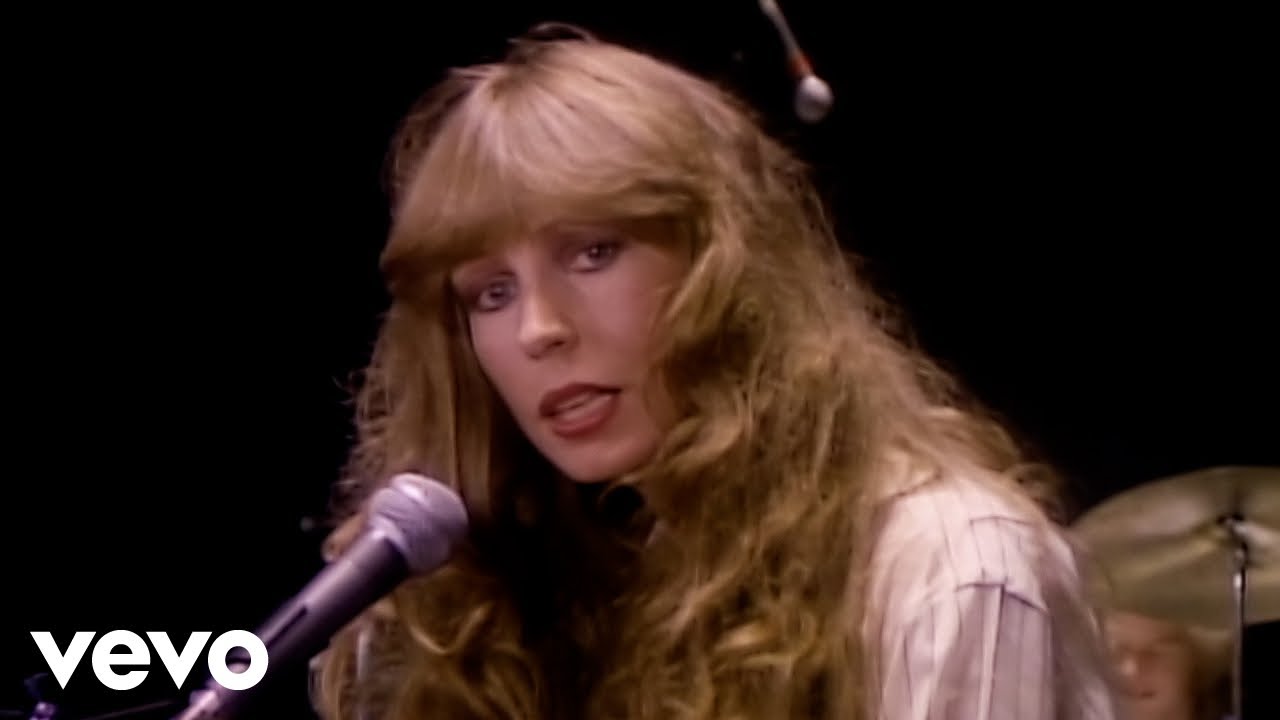
Juice Newton released “Angel of the Morning” in February 1981 as the second single from her breakthrough album Juice. The song peaked at number four on the Billboard Hot 100, spent three weeks at number one on the Billboard Adult Contemporary chart, and hit number 22 on the country chart. More than a million copies sold in the US alone. Newton’s version also reached number one in Canada, number two in Australia, number three in South Africa, and number four in Switzerland. The song earned her a Grammy nomination for Best Female Pop Vocal Performance—the same category Merrilee Rush had been nominated in 13 years earlier for her 1968 version. What nobody told Newton was that she was covering a song with a scandalous history—one that Connie Francis had refused to touch.
Newton’s video for the song became the first country music video aired on MTV, debuting on August 1, 1981, the day the network launched. The album Juice went platinum, peaking at number 22 on the Billboard 200. Her follow-up single “Queen of Hearts” climbed even higher, reaching number two in October 1981. Together, the two singles transformed Newton from a struggling country-rock artist into a household name. Newton later admitted she’d never have thought to record the song—when Capitol Records promoter Steve Meyer played it for her, she recognized it immediately but explained she’d been listening to folk and R&B when it was originally popular and dismissed it as too pop for her tastes.
Songwriter Chip Taylor wrote the song in 1967 after hearing the Rolling Stones’ “Ruby Tuesday” on his car radio while driving into New York City. He wanted to capture that same passion. But the lyrics—about a woman’s morning-after reflections on a one-night stand—were too risqué for the era. Taylor offered it to Connie Francis first. She turned it down flat, believing the subject matter would damage her wholesome image. Taylor then produced the original recording with Evie Sands, but Cameo-Parkway Records went bankrupt two weeks after releasing it, crushing any chance of promotion despite the initial 10,000 copies selling out. Taylor was devastated. A year later, Merrilee Rush recorded it at American Sound Studio in Memphis with producer Chips Moman, who’d been carrying a demo tape of the song in his pocket for months waiting to find the right voice. Rush’s version hit number seven in the US and topped charts in Canada, Australia, and New Zealand.
Newton’s version was recorded in 1980 and produced by Richard Landis with arrangements by Charlie Calello. The album sessions took place primarily at Capitol Studios in Hollywood, with mastering handled by Wally Traugott at Capitol Mastering. Landis gave the song a softer, more country-rock treatment than Rush’s lush orchestral version. Newton’s vocal delivery was warmer and less dramatic, which ironically made the song’s controversial subject matter feel more intimate and confessional. Capitol Records released two versions of the Juice album—early editions featured a pedal steel guitar-heavy country version of “The Sweetest Thing (I’ve Ever Known),” which was later replaced by a more pop-friendly remix issued as a single.
The song appeared on Newton’s sixth studio album and third solo effort, Juice, released in February 1981 on Capitol Records. The album spawned four singles total: “Angel of the Morning,” “Queen of Hearts,” “The Sweetest Thing (I’ve Ever Known),” and “Ride ‘Em Cowboy.” Newton earned two Grammy nominations at the 24th Annual Grammy Awards—Best Female Pop Vocal Performance for “Angel of the Morning” and Best Female Country Vocal Performance for “Queen of Hearts.” She lost both but won the following year for her album Quiet Lies. The success of Juice marked Newton’s commercial peak after years of struggling to break through with her country-rock sound.
The song’s cultural reach has been extraordinary. In 2001, Shaggy’s “Angel” heavily sampled the melody and reached number one on the Billboard Hot 100. The Pretenders’ Chrissie Hynde performed it on a 1995 episode of Friends. Newton’s version appeared in the opening credits of the 2016 film Deadpool, where its sweet melody created an ironic contrast to the freeze-framed violence. It closed both the 2020 film Promising Young Woman and appeared in Charlie Wilson’s War, It Chapter Two, and HBO’s True Detective. Merrilee Rush’s original appeared in Girl, Interrupted, in which Chip Taylor’s niece Angelina Jolie starred. A 2010 Toyota Highlander commercial featured embarrassed teenagers cringing as their parents sang along to it in the car.
For a song written in 20 minutes about a taboo subject, “Angel of the Morning” has proven remarkably durable. Newton recorded it again in 1998 for her album The Trouble with Angels, and it remains her signature song. Chip Taylor later reflected that he felt like he’d dreamed the song rather than written it—the way the lyrics flowed out, meshing perfectly with the chords, felt like divine intervention. The song that Connie Francis was too afraid to touch became one of the most covered songs of the late 20th century, proving that sometimes the most honest songs are the ones that make people uncomfortable.
SONG INFORMATION
Related videos
 Watch LaterAdded
03:26
Watch LaterAdded
03:26  Watch LaterAdded
03:41
Watch LaterAdded
03:41  Watch LaterAdded
05:45
Watch LaterAdded
05:45