


![Eric Clapton – I Shot The Sheriff [Crossroads 2010] (Official Live Video)](https://musicvideosclub.com/wp-content/uploads/2026/09/eric-clapton-i-shot-the-sheriff-360x203.jpg)
Queen – Don’t Stop Me Now
The Band Hated It, Played It Once In Concert, Then Zombies Made It Immortal
Released as a single on January 26, 1979, from the album Jazz, “Don’t Stop Me Now” peaked at number nine on the UK Singles Chart but stalled at number 86 in the United States. The song received mixed critical reception at the time, with Rolling Stone calling it insubstantial pop-rock. Queen performed it live only during their 1979 tours, then dropped it entirely from setlists. Freddie Mercury never performed it again before his death in 1991. For a track the band considered a fun filler piece, its eventual transformation into one of Queen’s most beloved songs would have shocked everyone involved.
The single spent modest time on charts initially but has since earned platinum certification in the United Kingdom. By March 2019, it had eclipsed 500 million plays on Spotify, nearly double that of any Rolling Stones, U2, or Led Zeppelin song on the service. In 2015, a survey of 2,000 UK adults named it the nation’s favourite uplifting song. Rolling Stone readers voted it the third-best Queen song in 2014, while The Guardian called it astonishing and possibly Queen’s greatest song. That journey from disposable album track to cultural phenomenon took 25 years and one key zombie film.
Freddie Mercury wrote the song in Montreux, Switzerland during the Jazz sessions, capturing the band’s hedonistic lifestyle at that moment. Brian May later admitted he struggled with the words at the time, feeling they celebrated Mercury’s risky behavior during a period of heavy drug use and promiscuous encounters. The song reflected Mercury’s philosophy of unbridled joy, though May initially viewed the celebration as dangerous. After hearing it played at weddings, parties, and funerals for years, May came to appreciate it as representing great joy rather than recklessness. The track builds around Mercury’s piano playing, with John Deacon on bass and Roger Taylor on drums creating the foundation. May’s guitar appears only in the solo.
Producer Roy Thomas Baker recorded the track at Super Bear Studios in Berre-les-Alpes, France in August 1978. The arrangement showcases Queen’s trademark multitrack harmony vocals throughout the chorus. Mercury directed those vocal stacks himself, layering his voice to create the illusion of a full choir. During the 1979 live performances captured on Live Killers, May added rhythm guitar throughout to give the song more rock edge, though Mercury still struggled with the rapid tempo and demanded precise synchronization from everyone. Those European tour dates at venues like Frankfurt Festhalle captured raw energy the studio version only hinted at, though the band felt the song didn’t quite work onstage.
The song appeared on Jazz, Queen’s seventh studio album, which mixed hard rock with lighter pop moments and bizarre novelty tracks like “Bicycle Race” and “Fat Bottomed Girls.” During the US leg of the Jazz Tour in fall 1978, they never performed the song, choosing obscure album tracks like “Let Me Entertain You” and “Dreamer’s Ball” instead. The track also appeared on the 1981 compilation Greatest Hits, though at that point nobody considered it among their signature material. In June 2011, an alternate take with additional guitar parts appeared on the bonus EP of the remastered Jazz album.
Everything changed in 2004 when Edgar Wright’s zombie comedy Shaun of the Dead featured the song in a legendary scene where Simon Pegg, Nick Frost, and Kate Ashfield bash a zombie with pool cues, their strikes timed perfectly to the beat. Wright had written the scene specifically for the song, and Queen licensed it to the production for around 15,000 pounds despite the track usually commanding much higher fees. Brian May initially hesitated, worrying the placement would trivialize the song, but eventually agreed, admitting he liked money and did good things with it. The Vandals released a punk cover that same year. The film became a cult classic among millennials, introducing the song to an entirely new generation.
From there, the song exploded into ubiquity. It appeared in Hardcore Henry, Shazam!, the 2020 Sonic the Hedgehog film, and commercials for Toyota, Amazon, and American Idol. The song became a staple of Queen’s tours with Adam Lambert starting in 2014, one of the most electrifying moments in their current setlist. In 2018, a harder guitar-driven version appeared on the Bohemian Rhapsody soundtrack. By 2025, Spotify streams had exceeded 1.8 billion, making it second only to the title track in Queen’s catalog.
Sometimes songs need time to find their moment. Sometimes they need zombies and pool cues choreographed to perfection. A track the band barely believed in, performed live for just one year, dismissed by critics as lightweight, somehow became the sound of pure joy for millions. Mercury wrote it during his most self-destructive period, May hated what it represented, and then decades later it became the song people play when they want to feel unstoppable. That’s the strange magic of pop music. The songs you throw away sometimes come back stronger than the ones you believed in all along.
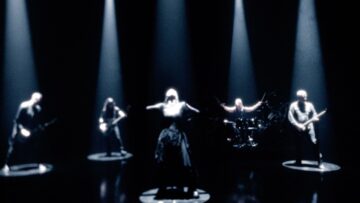
The video for the song was directed by J. Kliebenstein and filmed at the Forest National, Brussels, Belgium on 26 January 1979. The video was uploaded to Queen’s official YouTube channel on 1 August 2008.