




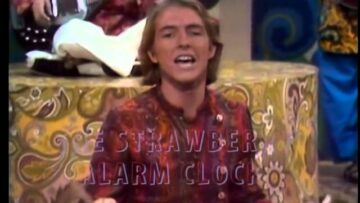
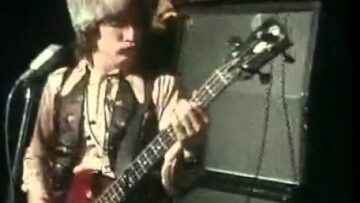
The Animals – Don’t Bring Me Down
I Hated What You Did To My Song
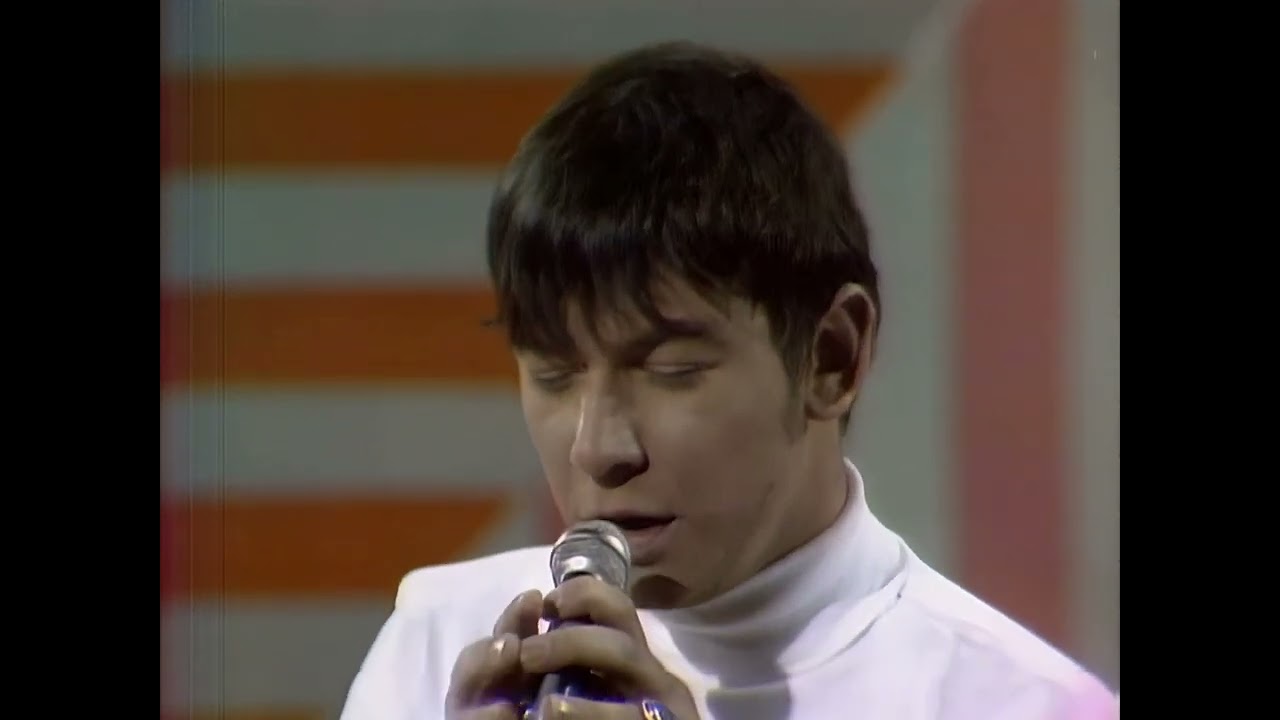
Released in May 1966, “Don’t Bring Me Down” peaked at number six in the UK and number 12 in the United States during June and July, becoming the Animals’ last major hit as a group before Eric Burdon transformed them into his psychedelic vehicle. The track hit number three on Canada’s CHUM Chart and number five on the RPM Chart, reaching number 17 in Germany and proving popular across international markets. But here’s the astonishing moment nobody saw coming: years later, Eric Burdon sat in a Beverly Hills doctor’s office reading a magazine when a woman took the seat next to him. She turned and said coldly, you know, I hated what you did to my song. It was Carole King. Burdon had no idea she and Gerry Goffin wrote it until that exact moment, having transformed their pop composition into something so brutally soulful that even its creator barely recognized it.
The single marked Barry Jenkins’s first release with the Animals after replacing founding drummer John Steel, who’d left in February 1966 exhausted by relentless touring and frustrated with financial management. Jenkins, formerly of the Nashville Teens, was hired without audition at Burdon’s insistence, much to bassist Chas Chandler’s annoyance. The song represented the third in a trilogy of Brill Building transformations following “We Gotta Get Out of This Place” and “It’s My Life,” all reportedly emerging from a single 1965 phone call producer Mickie Most made requesting material. The Animals maintained a contentious relationship with these songs, knowing they delivered hits while preferring straightforward R&B numbers for album tracks. Burdon had even mocked Goffin-King’s songwriting in their 1964 composition about rock history, making the irony of this becoming their final hit together particularly sharp.
The song itself was deeply personal for its writers. In a podcast interview with her daughter Louise Goffin, Carole King casually mentioned that Goffin wrote the words directly about their rocky marriage, making it a confession disguised as commercial pop. The protagonist pleads for understanding and respect, complaining that criticism and neglect make him feel worthless, that his best just isn’t good enough. Those lines captured Goffin’s actual struggles in their relationship, transforming personal pain into a desperate prayer for kindness. The Animals sensed none of this domestic drama. They heard a song about relationship struggles that matched their own frustrations with Mickie Most and the Brill Building machine that kept feeding them hits they didn’t want to record. The band approached it as a subliminal message to Most: don’t bring me down with your commercial calculations.
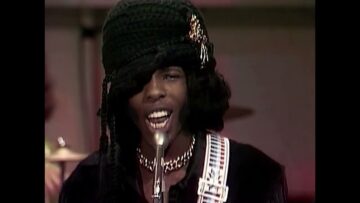
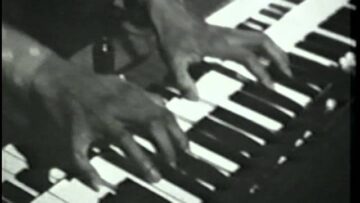
Recording sessions took place with new producer Tom Wilson, who’d promised more artistic freedom than they’d experienced under Most. Wilson had built his reputation working with Bob Dylan and Simon and Garfunkel, understanding how to let artists stretch beyond commercial formulas. The Animals’ arrangement centered on Dave Rowberry’s pulsating organ riff, set against Chas Chandler’s prominent bass line and decorated with Hilton Valentine’s fuzz guitar chords. Burdon sang the verses quietly, almost whispered, before erupting into the desperate chorus pleading for mercy. The production emphasized space and echo, making Burdon’s voice sound isolated and vulnerable. Every creative choice stripped away the song’s pop sheen, replacing King’s original vision with something rawer and more desperate. No wonder she hated it. They’d taken her husband’s confession and turned it into a completely different animal.
“Don’t Bring Me Down” appeared on Animalization, released in August 1966 as the band’s fourth American studio album on MGM Records. The album peaked at number 20 on the Billboard 200 and featured both Steel and Jenkins on different tracks, with Jenkins appearing on the front cover while Steel remained visible on the back. The record balanced three original compositions and one adaptation against covers of blues and R&B staples from John Lee Hooker, Chuck Berry, Screamin’ Jay Hawkins, Joe Tex, and Ma Rainey. By September 1966, the original Animals had completely disbanded, with Burdon forming Eric Burdon and the Animals in December with Jenkins as the only holdover. The transformation was complete: the gritty blues band that made Brill Building pop sound dangerous had fractured, leaving only their frontman’s name and one exhausted drummer to carry forward.
The song’s afterlife proved extensive and varied. Tom Petty and the Heartbreakers included it in their concert repertoire from 1977 through 1986, with a 1978 performance from Boston’s Paradise Club captured on their 1985 live album Pack Up the Plantation: Live! New York Dolls singer David Johansen created an Animals medley for his 1982 live album Live It Up that gained considerable MTV exposure, sandwiching this track between “We Gotta Get Out of This Place” and “It’s My Life.” Paul Shaffer recorded it with his Party Boys of Rock ‘n’ Roll, while Southside Johnny added his own interpretation. Rolling Stone later recognized the track as exemplifying one side of Goffin-King’s boy-girl, loneliness-togetherness duality, though they likely meant it differently than Goffin intended when confessing his marital struggles through commercial pop.
Six decades later, that Beverly Hills doctor’s office confrontation remains one of rock music’s perfect awkward moments. Carole King sitting next to the man who’d completely reimagined her husband’s confession, telling him flatly she hated what he’d done to it, while Burdon realized for the first time who actually wrote the song he’d been performing for years. The Animals had taken Goffin’s pleading vulnerability and turned it into defiant desperation, transforming a pop song about saving a marriage into a blues-rock declaration about artistic survival. As Allmusic observed, it exemplified the Animals’ brutally soulful inspiration. Sometimes the best covers happen when artists misunderstand the original so completely they accidentally create something better, or at least something that survives longer than the marriage that inspired it.