




![Eagles – I Cant Tell You Why (Official Video) [HD]](https://musicvideosclub.com/wp-content/uploads/2025/11/eagles-i-cant-tell-you-why-offic-360x203.jpg)

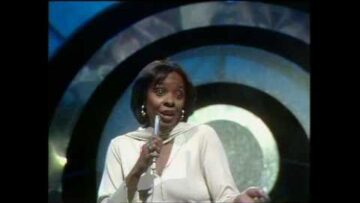
The Staple Singers – Let’s Do It Again
The Church Man Who Refused To Sing About Pretty Hair
Released on October 13, 1975, “Let’s Do It Again” climbed to number one on the Billboard Hot 100 on December 27—the day before Roebuck “Pops” Staples’ 61st birthday—becoming The Staple Singers’ second and final chart-topper. The single also spent two non-consecutive weeks at number one on the Hot Soul Singles chart and reached number 66 on Billboard’s year-end chart for 1976. The song shocked the group’s gospel fans with its sexual lyrics draped over a sensual groove, making it abundantly clear what they wanted to do again. During recording sessions at Curtom Studios in Chicago, Curtis Mayfield handed Pops his vocal part and the patriarch balked completely. Pops protested that he was a church man and couldn’t sing lines about liking a lady so fine with her pretty hair. Mayfield assured him the Lord wouldn’t mind, while daughters Mavis, Cleotha, and Yvonne pressured their father, reminding him it was just a movie score and he wasn’t leaving the church. Their persistence won out, delivering the song that became their lasting commercial legacy.
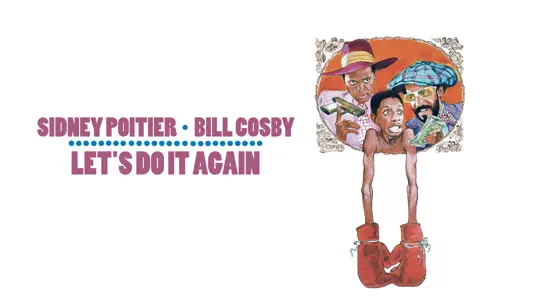
While “Let’s Do It Again” conquered American pop and R&B charts throughout the winter of 1975-76, it performed modestly in international markets, never cracking the UK Top 40. The soundtrack album reached number one on the R&B albums chart on December 6, 1975, and peaked at number 20 on the Billboard 200, matching the chart heights achieved only once before with 1972’s Be Altitude: Respect Yourself. The film starring Sidney Poitier, Bill Cosby, and Jimmie Walker became one of the year’s biggest box office successes, with the soundtrack outselling the movie’s gross revenue. Curtom Records released “New Orleans” as the second single, initially as a promotional 45 before flipping to make “A Whole Lot of Love” the A-side. Neither charted significantly, though “New Orleans” reached number five on the Hot Soul Singles chart. The album earned gold certification and became The Staple Singers’ only number one R&B album, proving the Mayfield-Staples partnership could match anything from their legendary Stax Records period.
The song emerged from one of soul music’s most unlikely business arrangements. When Stax Records declared bankruptcy in 1975, The Staple Singers scrambled to find a new recording home after four years of massive commercial success. Curtis Mayfield desperately wanted to sign the group to his Curtom label, recognizing their gospel-rooted harmonies would blend perfectly with his Southern soul production aesthetic. Warner Brothers outbid Curtom for the group’s exclusive contract, but then immediately struck a distribution deal with Curtom, allowing Mayfield to write and produce the Let’s Do It Again soundtrack with The Staples providing vocals. Mayfield composed all eight tracks on the album, writing “Let’s Do It Again” specifically as a secular love song that played with double meanings. The lyrics describe physical attraction and romantic obsession, with Mavis singing about feelings surging through her brain and Pops reluctantly crooning about the lady’s pretty hair. For a group that built their reputation on gospel music and civil rights movement songs, the sexual frankness represented a jarring departure.
Recording sessions throughout September 1975 at Curtom Studios brought together Mayfield’s core backing musicians. Guitarist Phil Upchurch delivered the subtle wah-wah guitar that punctuates the verses, while bassist Joseph “Lucky” Scott laid down the rambling bass line that anchors the groove. Rich Tufo handled keyboards and arrangements alongside Gil Askey, who arranged the swirling strings that give the track its lush, cinematic quality. Percussionist Henry Gibson added congas, and drummer Quinton Joseph provided the steady backbeat. Engineers R. Anfinsen and J. Janus captured the performances on tape. Mayfield’s production philosophy emphasized restraint and space, allowing Mavis Staples’ powerful voice to dominate without overwhelming orchestration. The final mix featured the vocals prominently, with strings and rhythm section supporting rather than competing. Mayfield drew inspiration from Barry White’s “It’s Ecstasy When You Lay Down Next to Me,” aiming for that same sensual, slow-burn intensity. The backing vocals from Cleotha and Yvonne created the gospel-tinged call-and-response patterns that connected the song to The Staples’ roots even as the lyrics ventured into decidedly secular territory.
The Let’s Do It Again soundtrack arrived as both a commercial product and artistic statement, blending The Staples’ vocal styles developed at Stax with Mayfield’s hip soundtrack techniques perfected on Superfly. Side one featured five vocal tracks including “Funky Love,” “A Whole Lot of Love,” “New Orleans,” and the gospel-influenced “I Want to Thank You.” Side two devoted most of its space to instrumentals—“Big Mac,” “After Sex,” and “Chase”—that served as score for the film’s narrative. The pairing proved controversial within The Staples’ fanbase, with gospel purists feeling betrayed by the sexual themes. Warner Brothers and Curtom promoted the album heavily through appearances on Don Kirshner’s Rock Concert in 1976, where the group performed both “Let’s Do It Again” and “Funky Love” with full band arrangements. The soundtrack represented the perfect marriage of Mayfield’s songwriting genius with The Staples’ righteous vocal delivery, though it would be their final major commercial success together.
The song’s influence extended far beyond its initial chart run. R&B quartet Xscape sampled it heavily for the remix of “Just Kickin’ It” from their 1993 album Hummin’ Comin’ at ‘Cha, produced by Jermaine Dupri. Ice Cube used the track as the foundation for the remix of “It Was a Good Day.” John Legend sampled it on “Number One,” while BJ the Chicago Kid built his single “Good Luv’n” around the groove. British R&B singer Lynden David Hall interpolated the song on his 2000 album The Other Side. In 1994, a tribute album titled All Men Are Brothers: A Tribute to Curtis Mayfield featured a new version with a vocal by Mayfield himself. Paralyzed since 1990 when stage-lighting scaffolding fell on him during a Brooklyn concert, Mayfield recorded his middle part lying down in the studio after hearing the Repercussions’ version lacked Pops Staples’ section from the original. It marked the first and only time Mayfield recorded vocals for the song he’d written nearly two decades earlier.
The Staple Singers never matched this commercial peak again, releasing only occasional minor hits after 1975 before disbanding. Mavis Staples carried on the family tradition through a prolific solo career that continues today, collaborating with everyone from Prince to Arcade Fire. Pops Staples died from complications of a concussion in December 2000, just days before what would have been his 86th birthday. As Mavis reflected years later about the song, they wanted to hear their voices on the big screen so desperately they convinced their father to step outside his comfort zone. “Let’s Do It Again” remains one of Curtis Mayfield’s finest achievements as a writer and producer for outside artists—a silky smooth, instantly catchy earworm with wonderful vocals, a killer melody, and secular lyrics that were surprisingly risqué for The Staples, proving that even gospel legends could seduce listeners when the groove was undeniable.
SONG INFORMATION