


Eric Burdon & War – Spirit
Three Months Earlier, Jimi Hendrix Had Joined Them Onstage in London for the Last Thirty-Five Minutes of His Life. Now, in January 1971 on Danish Television, Eric Burdon and War Performed “Spirit” Together for One of the Last Times — Before Burdon Collapsed Mid-Tour and Left the Band That Would, Without Him, Become One of the Defining American Funk Acts of the Decade.
The footage was recorded for Danish television in January 1971, on a programme called TV-Byen. Eric Burdon was thirty years old. The seven young East Los Angeles musicians performing with him had been called War for less than two years. They had been brought together by producer Jerry Goldstein, who had heard them backing a blues singer at a Hollywood club in 1969 and had walked in with the suggestion that they connect with the former lead singer of the Animals — a British vocalist whose first band had broken up three years earlier and who was, at the time of Goldstein’s introduction, ready to walk away from music and go home to Newcastle. Burdon and the East L.A. musicians had instead formed the band that would record Eric Burdon Declares “War” in spring 1970 and produce Spill the Wine, their accidental crossover hit that would peak at number three on the Billboard Hot 100. A second album, The Black-Man’s Burdon, had followed in December 1970. Spirit was the second track on side one of that double LP. By the time the Danish TV cameras captured the band performing it three months later, the partnership had perhaps eight more weeks of working life left in it.
The song itself was the band’s collective work — credited to all seven musicians plus Burdon. The lyric was direct, almost devotional: a refusal to let the band’s spirit be broken, a meditation on continuity and resilience in the face of pressure. “Oh, there’s one thing that I’m sure,” Burdon sang, “It’s so proud and it’s so pure. And it comes from deep within. It’s got no hair, it’s got no skin.” The song’s body delivered the political reading the rest of the album had been building toward — that what was at stake in the music was not commercial success, not even artistic recognition, but the maintenance of a tradition under attack. The album’s title was a play on The Black Man’s Burden, the 1920 anti-imperialist book by E.D. Morel that had responded to Rudyard Kipling’s The White Man’s Burden. The pun was deliberate. So was the politics. Burdon, the Newcastle-born British vocalist who had spent the late 1960s fronting the band that had given the world House of the Rising Sun, was now the diminutive front man of an East L.A. funk-rock ensemble that was, song by song across both Burdon-War albums, making one of the most direct musical arguments about race and American power that any commercial recording of 1970 had attempted.
The Black-Man’s Burdon and What the Studio Could Not Hold
The studio version of Spirit on the December 1970 album ran past five minutes. It was funky and grooving in the manner of the entire record — long-form jam structures, layered keyboard textures from Lonnie Jordan, the harmonica of Lee Oskar threading over the rhythm section, Papa Dee Allen’s congas and timbales providing the percussive bed underneath. Burdon’s vocal sat in the middle of the arrangement rather than dominating it. The Apple Music review of the album, fifty years later, would describe the recording as having “a live-at-home feel” — the band, “comfortable” enough with each other that the studio felt more like an open jam session than a recording date. Critics praised Spirit as one of the album’s stronger tracks. Reviewers consistently rated it among the strongest pieces on a record that itself was sometimes described as overlong, sprawling, and unfinished in places. The album as a whole reached number eighty-two on the Billboard 200 — a modest performance compared to the first Burdon-War record, which had been certified Gold on the strength of Spill the Wine.
What the studio recording captured of the song’s spirit was, by all the band members’ subsequent accounts, less than the live performance regularly delivered. The Burdon-War partnership had been built around live work. Their breakthrough showcase had been Hyde Park in London in summer 1970, where the British music press had described them as the best live band anyone in attendance had ever seen. Their September 16, 1970 show at Ronnie Scott’s Club in London had become one of the most historically charged moments in rock history: Jimi Hendrix had joined Burdon and War onstage for the last thirty-five minutes of the band’s second set that night. Less than twenty-four hours later, Hendrix was dead. The Burdon-War lineup that played the Danish TV studio in January 1971 was the same lineup that had backed Hendrix on what turned out to be his final public performance. Three months on, Burdon was leading them through their own material on a different continent. Spirit was the song’s title. Spirit was, for the seven musicians next to him, also the only word for what was driving them.
What January 1971 in Denmark Caught
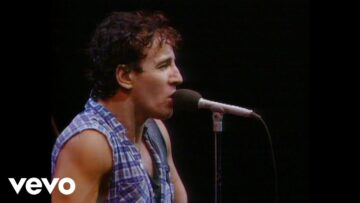
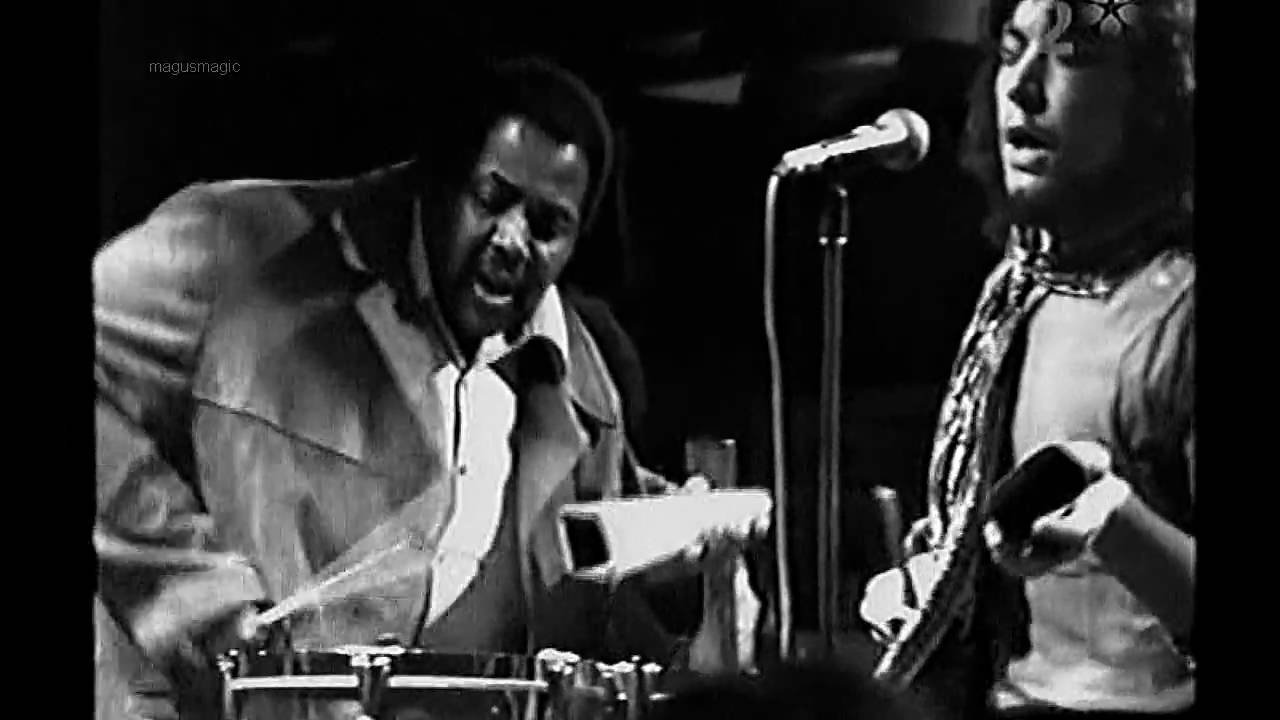
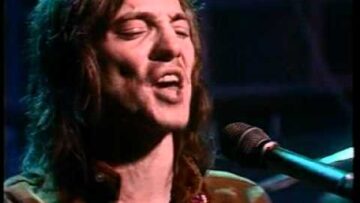
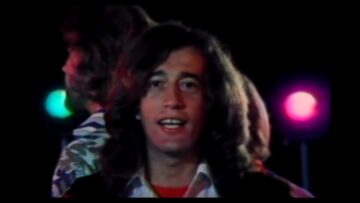
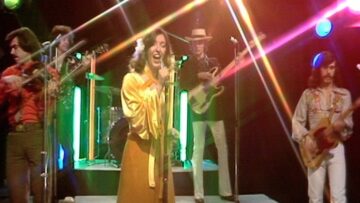
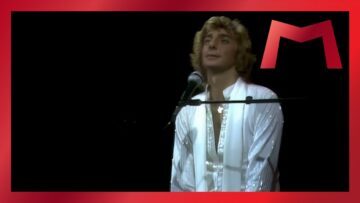
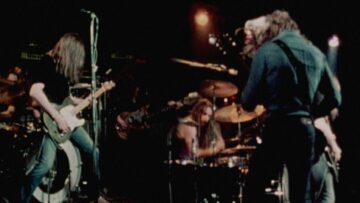
The Danish TV-Byen broadcast captured the band in front of a studio audience — unusual for European television music broadcasts of the period, which often featured artists in empty studio rooms with separate audio recordings. The Denmark footage runs the song at full length, with the entire band visible in frame. Burdon, in turtleneck and jacket, holds the microphone close to his face and sings the verses with the controlled intensity that had defined his vocal performances since the Animals days. Lonnie Jordan plays the keyboards from a piano bench, eyes closed. Howard Scott’s guitar lines weave through the arrangement. B.B. Dickerson and Harold Brown lock the bottom in. Charles Miller’s saxophone fills the bridges. Lee Oskar’s harmonica is the foreground melodic voice in the verses. Papa Dee Allen drives the rhythm section from behind. The performance is, like the entire Burdon-War body of work, longer than the studio cut — extended jams, improvised vocal sections, the kind of live-arrangement decisions that the band’s musicians had developed over a year and a half of touring together. The footage is, by some considerable margin, the most fully realised filmed performance of Spirit that exists.
The European tour that brought the band to Denmark in January 1971 also ended Burdon’s tenure with War. During one of the tour’s subsequent concerts, Burdon collapsed onstage from an asthma attack. The band continued the tour without him for a stretch. By the end of the tour, Burdon had decided to leave the partnership permanently. War returned to the United States, regrouped without him, and recorded their first album as War alone — released in 1971 to modest commercial success. Within months they had released All Day Music with Slippin’ into Darkness, which would be certified Gold. By 1972 they had released The World Is a Ghetto, which would be Billboard’s best-selling album of 1973. The Cisco Kid, Why Can’t We Be Friends?, Low Rider, and Summer followed across the rest of the decade. War became one of the defining American funk and soul acts of the 1970s. Eric Burdon, meanwhile, returned to solo work that never quite matched the commercial peak of Spill the Wine or the artistic intensity of the second Burdon-War album. The Denmark footage of Spirit caught a partnership that was, even as it was being filmed, weeks from ending. The musicians on the stage with Burdon would go on to far greater commercial recognition without him. He would spend the rest of his career, by his own subsequent acknowledgements, missing them.