




![The Score – Revolution: Lyrics [Assassins Creed: Unity]](https://musicvideosclub.com/wp-content/uploads/2025/10/the-score-revolution-lyrics-assa-360x203.jpg)






![Kid Rock – All Summer Long [Official Music Video]](https://musicvideosclub.com/wp-content/uploads/2025/12/kid-rock-all-summer-long-officia-360x203.jpg)



![Sister Sledge – Hes the Greatest Dancer (Official Music Video) [4K]](https://musicvideosclub.com/wp-content/uploads/2025/09/sister-sledge-hes-the-greatest-d-360x203.jpg)
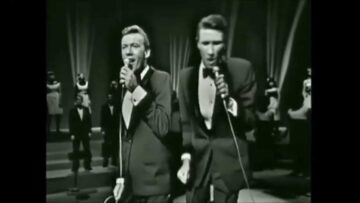





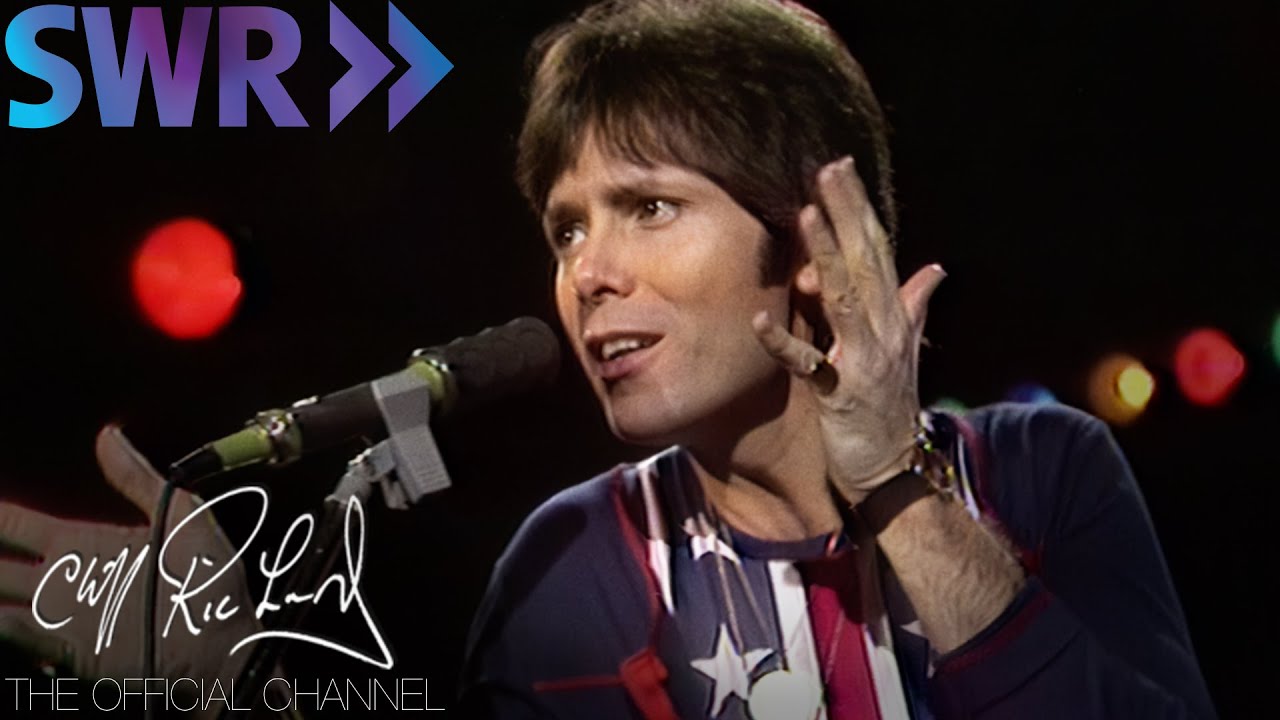

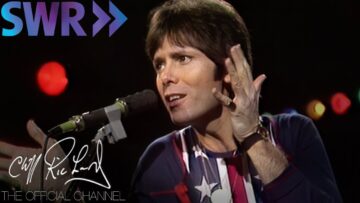
Cliff Richard – Devil Woman
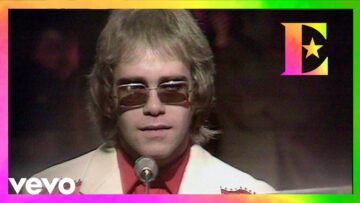
Elton John Heard It Without Knowing Who It Was
Released in late April 1976, “Devil Woman” climbed to number nine on the UK Singles Chart in June and spent eight weeks in the charts. More remarkably, it became Cliff Richard’s first Top 20 hit in America, peaking at number six for three consecutive weeks and spending 22 weeks on the Hot 100, earning gold certification for sales over one million copies. What makes this comeback remarkable is that Elton John heard the track from I’m Nearly Famous without being told who sang it, thought it couldn’t possibly be Cliff Richard, then immediately signed him to Rocket Records in America where the label mounted a massive promotional push that finally cracked the market Richard had chased for nearly two decades.
“Devil Woman” hit number nine in the UK for one week on June 5, 1976, where it was kept from higher positions by ABBA’s Fernando and the Real Thing’s You to Me Are Everything. But America delivered the real shock. It entered the Billboard Hot 100 at number 87 on June 28, then spent three weeks at number six in September and October when Andy Gibb’s I Just Want to Be Your Everything dominated the top spot. The song also reached number three in Australia and became Richard’s third biggest-selling single worldwide with over two million copies sold. At a moment when punk was exploding in Britain and disco ruled American airwaves, this guitar-driven occult tale proved that Richard could sound contemporary and dangerous, completely divorcing himself from his clean-cut 1960s teen idol image.
Terry Britten composed the music and wrote the lyrics with Christine Authors, who sang with the Family Dogg under the name Christine Holmes. The song tells the story of a man jinxed by an encounter with a stray cat with evil eyes who visits a psychic medium for help, only to discover she cast the original curse. Britten brought the demo to former Shadow Bruce Welch, who was producing Richard’s comeback album. The song had been sitting in Richard’s music room for 18 months before Welch spotted its potential. Richard later explained the lyrics were anti-spiritualism, a warning about the dangers of black magic and the occult. He was so concerned about one line that originally said “and I knew what I came here for” that he changed it to “I wondered what I came here for” to avoid any inappropriate implications.
Recording took place during sessions for I’m Nearly Famous with Bruce Welch producing. Terry Britten played guitar with soft-distortion lines doubling the melody in the chorus, while Alan Tarney handled bass and Clem Cattini provided drums. Graham Todd added keyboards including Rhodes electric piano, and Tony Rivers, John Perry, and Ken Gold sang backing vocals. Richard Hewson arranged the string parts. The guitar work was revolutionary for a Cliff Richard single, heavily driven with long, high, sustained notes creating atmosphere over the verses. For the American release on Rocket Records, they slightly remastered the track to give it more punch, strengthening the bass and drums compared to the worldwide album version. This punched-up mix appeared on the US single and helped push it up the charts.
I’m Nearly Famous arrived in May 1976 through EMI Records in the UK, marking Richard’s first successful album in over a decade. The title reflected Richard’s frustration with his fading career after not charting at all in 1975 for the first time since his debut. Lead single Miss You Nights peaked at number 15 in early 1976, but Devil Woman showed a harder-edged side that surprised everyone. The album reached number five in the UK and spent 21 weeks on the charts, while also hitting number 76 in America, his first charting album there since 1968. Celebrities including Elton John and Elizabeth Taylor wore T-shirts emblazoned with the I’m Nearly Famous logo. Richard later called this his comeback album, the moment people in the business started taking his music seriously again.
The song achieved remarkable cultural longevity, resurging in popularity after appearing in the 2017 film I, Tonya as the character theme for LaVona Golden, Tonya Harding’s abusive mother played by Allison Janney in an Oscar-winning performance. Director Craig Gillespie used it for LaVona’s introduction scene, with young Tonya first taking the ice while the song blared. Multiple reviewers called the song placement perfect for the chain-smoking, profane stage mother from hell. Co-writer Terry Britten went on to write What’s Love Got to Do with It for Tina Turner, Carrie for Cliff Richard, and Just Good Friends for Michael Jackson. Christine Holmes recorded her own version under the name Kristine in 1976, though it remains unclear whether she recorded before or after Richard’s hit version.
“Devil Woman” represents the moment Cliff Richard shed his past and became contemporary again, proving he could evolve beyond the 1960s nostalgia trap that claimed so many of his peers. When Richard heard the news it had reached number 14 on the American Cash Box chart in August 1976, he told radio interviewer David Hamilton that the news made his decade, that America had been such an elusive place for him. The song that sat unnoticed in his music room for 18 months, that Elton John couldn’t believe was Cliff Richard, became his biggest American hit and third biggest-selling single worldwide. Sometimes reinvention requires gambling on material that sounds nothing like what made you famous in the first place, trusting that a harder edge and a tale about evil psychics will resonate more than another safe ballad ever could.
Related videos
 Watch LaterAdded
02:51
Watch LaterAdded
02:51  Watch LaterAdded
12:26
Watch LaterAdded
12:26  Watch LaterAdded
03:54
Watch LaterAdded
03:54