






![David Lee Roth – California Girls (Official Video) [HD]](https://musicvideosclub.com/wp-content/uploads/2026/10/david-lee-roth-california-girls-360x203.jpg)



John Waite – Missing You
Written In Ten Minutes After The Album Was Already Mixed
When John Waite released “Missing You” in June 1984, he knew immediately he had something special. The song hit number one on the Billboard Hot 100 during the week of September 22, 1984, making it Waite’s only chart-topper and one of only nineteen songs to reach number one that year. It spent just one week at the summit, sandwiched between Prince’s “Let’s Go Crazy” and Stevie Wonder’s “I Just Called to Say I Love You”. The track also climbed to number nine in the UK and topped the Canadian RPM Singles Chart. Ironically, when Waite’s song knocked Tina Turner’s “What’s Love Got to Do with It” from the top spot, it set up a musical connection that would resurface twelve years later when Turner recorded her own version of “Missing You”, taking it to number twelve in the UK.
The song almost didn’t exist. Waite had already finished recording his second solo album No Brakes and producer David Thoener was mixing it when Waite realized they didn’t have the single they needed. He went to songwriter Mark Leonard’s house in Los Angeles looking for a backing track on a one-inch tape machine. Leonard couldn’t find the track Waite wanted, so he kept fast-forwarding and rewinding the tape. When he accidentally hit play, an eight-note groove he’d been working on started playing. Waite heard it and something clicked. He borrowed a line from his old Babys hit to get started, changing the opening from the earlier song’s hopeful sentiment into something more conflicted. Within ten minutes, he’d written the entire first verse, bridge, and chorus without stopping. The moment was so overwhelming he had to step back from the microphone, unable to speak.
The recording captured raw emotion because Waite was living the contradiction he was singing about. He’d left his wife behind in England while making the album in New York, and there were other women in his life at the time. On one level, he missed his wife deeply, but on a more superficial plane, he didn’t miss her at all. That internal conflict became the heart of the song. Waite and Leonard worked with Charles Sandford, who wrote the music alongside Leonard. Sandford had serious credentials, having written Stevie Nicks’ “Talk to Me” and co-written Chicago’s “What Kind Of Man Would I Be?” The production by Waite, Thoener, and Gary Gersh gave the track a polished soft-rock sound that defined mid-eighties radio. One of the most memorable vocal runs happened spontaneously during recording, and when it came out, Waite stood back from the mic and knew immediately it was a number one hit.
“Missing You” appeared as the lead single from No Brakes, which achieved platinum status in America. The album had been completed and mixed when Waite brought the tape down to the studio crew. When he played it in the control room, everybody stopped talking. The song had that effect from the beginning. Despite being a last-minute addition, it became the defining track not just of the album but of Waite’s entire career. The former Babys frontman had experienced considerable success with that band throughout the seventies and early eighties, with hits like “Isn’t It Time” and “Every Time I Think of You” both reaching number thirteen. But his solo career had struggled until this moment, with his 1982 debut album disappointing both commercially and critically.
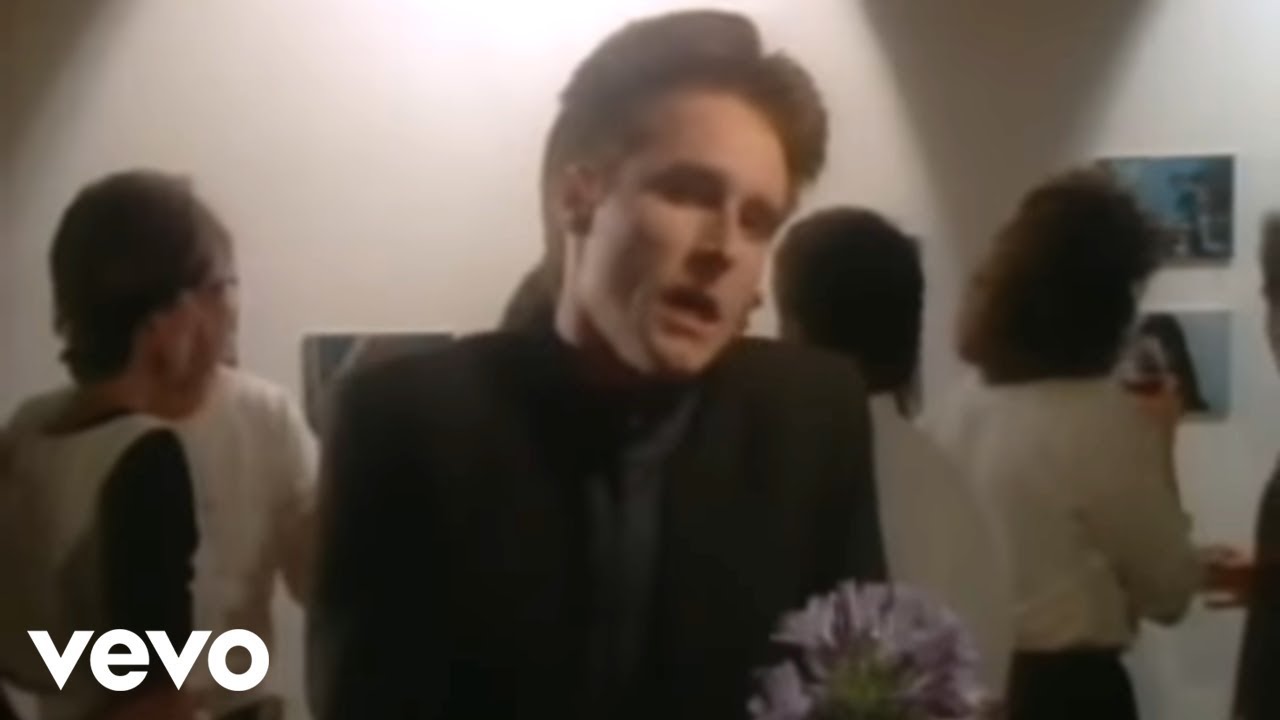
The song’s cultural reach extended far beyond its chart success. MTV played the video in heavy rotation, which helped propel it to number one. In the clip, Waite gave what he later described as a shy, tortured performance, wearing a black Johnson suit from London and sporting a crew cut he’d gotten the night before filming. He’d gone into a Melrose Avenue clothes store and made the decision to go completely European with his look. The video showed a young lover unable to avoid reminders of the woman he’d lost, despite his attempts to convince himself he was fine without her. Tina Turner’s 1996 version became a hit from her double platinum album Wildest Dreams. Brooks and Dunn took it to country radio in 1999, and in 2006, Waite re-recorded it as a duet with Alison Krauss, which peaked at number thirty-four on the Hot Country Songs chart. The song has been played over nine million times on American radio and appeared in films including Selena in 1997 and Warm Bodies in 2013. In 2025, Netflix named an entire Harlan Coben series after the song, with “Missing You” connecting the show’s detective with her long-lost fiancé.
“Missing You” remains one of the most emotionally honest power ballads of the eighties, capturing the messy reality of human relationships where you can simultaneously miss someone and not miss them at all. For anyone discovering John Waite’s catalog or exploring the softer side of eighties rock, this track stands as proof that sometimes the best songs come from accidents, last-minute inspirations, and the raw honesty of someone trying to make sense of their own contradictions. And it all happened in ten minutes because a tape machine landed on the wrong track.
Enjoyed this one? New forgotten gems every day — tap Music Videos Club below to visit and follow us on Facebook:
Related videos
 Watch LaterAdded
04:41
Watch LaterAdded
04:41  Watch LaterAdded
04:50
Watch LaterAdded
04:50  Watch LaterAdded
04:30
Watch LaterAdded
04:30