


![The Score – Revolution: Lyrics [Assassins Creed: Unity]](https://musicvideosclub.com/wp-content/uploads/2025/10/the-score-revolution-lyrics-assa-360x203.jpg)





![Kid Rock – All Summer Long [Official Music Video]](https://musicvideosclub.com/wp-content/uploads/2025/12/kid-rock-all-summer-long-officia-360x203.jpg)





![Sister Sledge – Hes the Greatest Dancer (Official Music Video) [4K]](https://musicvideosclub.com/wp-content/uploads/2025/09/sister-sledge-hes-the-greatest-d-360x203.jpg)






![Eagles – One of These Nights (Live 1977) (Official Video) [4K]](https://musicvideosclub.com/wp-content/uploads/2025/07/eagles-one-of-these-nights-live-360x203.jpg)




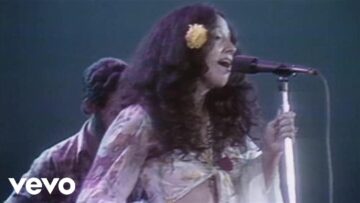
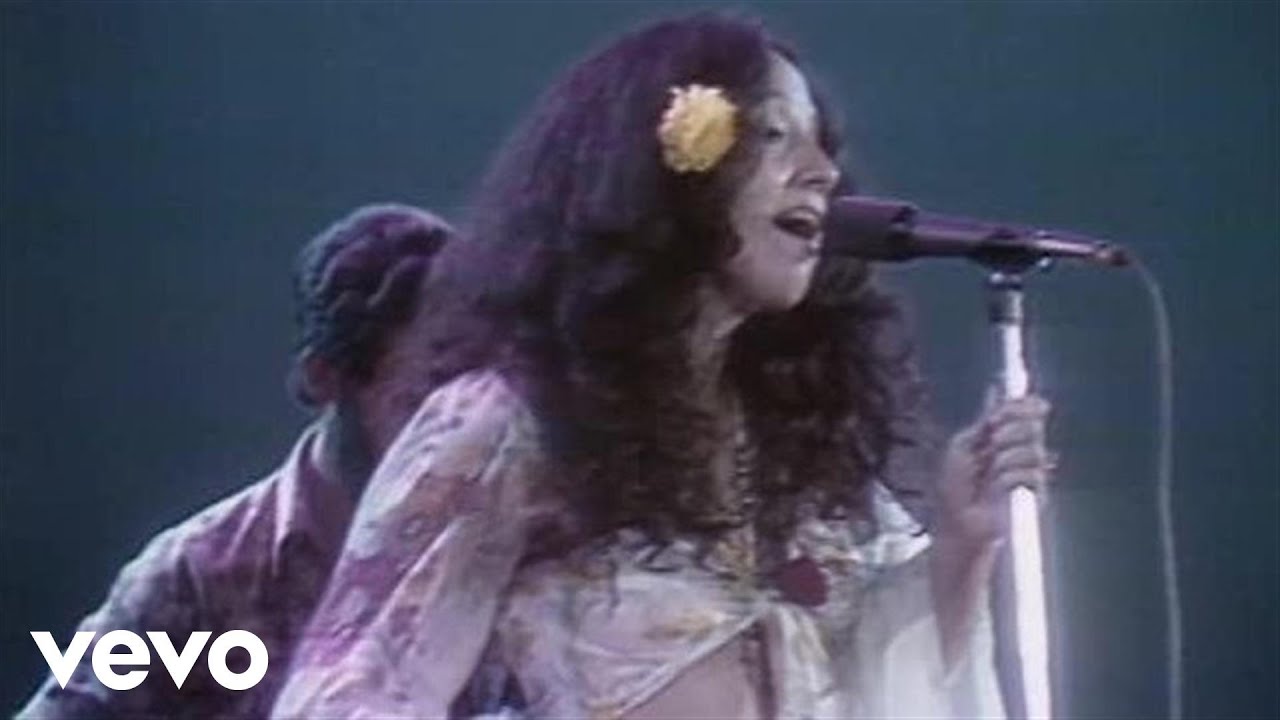
Maria Muldaur – Midnight at the Oasis
Added Last Minute Because They Needed One More Track
Released in early 1974 from her self-titled debut album, Maria Muldaur’s “Midnight at the Oasis” peaked at number six on the Billboard Hot 100 the week of June first and reached number twenty-one in the UK Singles Chart. The track also hit number two in Canada, spent twenty-four weeks on the US chart, and earned nominations for both Record of the Year and Song of the Year at the 1975 Grammy Awards. Billboard ranked it the thirteenth biggest song of 1974, and the parent album climbed to number three on the Billboard 200, earning gold certification on May thirteenth. What most fans don’t know is that Muldaur considered it just a goofy little song and only suggested it as a gesture of gratitude when producer Lenny Waronker said they needed one more medium tempo track to balance the album. Songwriter David Nichtern had been sleeping on her Hollywood Hills living room floor, supporting her through a difficult separation, and she wanted to do something nice for him. That spontaneous act of kindness became the biggest hit of both their lives.
The single entered the Billboard Hot 100 on February twenty-third at number ninety-seven and climbed steadily through spring, reaching number six on June first where it remained for one week. It spent a total of twenty-four weeks on the chart, an impressive run that reflected consistent radio airplay across multiple formats. The track crossed over to Adult Contemporary radio where it dominated, helping establish Muldaur as more than just a folk singer. In Canada, it peaked at number two on the RPM singles chart and finished at forty-five on the year-end tally. The UK response was more modest, with the single reaching twenty-one and spending several weeks on the chart. In Australia, it climbed into the top forty. The song’s commercial success drove Maria Muldaur to number three on the Billboard 200, where it spent thirty-three weeks and earned gold certification within a month of the single’s peak. The album eventually sold over a million copies in the United States alone, transforming Muldaur from respected folk musician into pop star overnight.
David Nichtern wrote the song before working with Muldaur, inspired by what he cryptically described as a girl, a waterbed, feta cheese and grape leaves, and a Martin guitar. The imagery came from a romantic encounter that blended Middle Eastern aesthetics with California hedonism, creating the desert fantasy that would captivate millions. Nichtern had met Muldaur shortly after her separation from husband and musical partner Geoff Muldaur, when she was crying and convinced she couldn’t make it as a solo artist. He encouraged her, helped her put together a small acoustic act, and got them gigs at coffee houses. When Muldaur secured her Warner Bros deal and began recording in Los Angeles, Nichtern drove out in his Volkswagen bug to support her, literally sleeping on a mattress on her living room floor. He’d already produced the demo that got her signed, including his own composition plus Wendy Waldman’s track that made the album. When Waronker asked if anyone had one more medium tempo song, Muldaur volunteered Nichtern’s tune mostly out of gratitude, admitting she thought it was just goofy and didn’t think much of it.
The band recorded the track at various Los Angeles studios during 1973 with Lenny Waronker producing. Nichtern played acoustic guitar on his own composition, while legendary session players filled out the arrangement. Jim Gordon handled drums, Freebo played bass, and Mark Jordan contributed piano. The star of the track became Amos Garrett’s electric guitar solo, which some circles consider as famous as the song itself. Garrett’s fluid, lyrical playing perfectly captured the song’s sensual mood, his notes dripping with the same languid desire as Muldaur’s vocal. The production embraced a relaxed, organic feel that contrasted sharply with the more bombastic productions dominating mid-seventies radio. Nick DeCaro arranged strings that appeared subtly in the mix, while Greg Prestopino added voices that created an exotic atmosphere. The Middle Eastern flavor came through in the melody and arrangement rather than through obvious instrumentation, making the fantasy setting feel universal rather than kitschy. Warner Bros released the album and single, then hung in there for approximately nine months until it took off, demonstrating patience that wouldn’t happen in today’s industry.
Maria Muldaur showcased Muldaur’s ability to interpret country, blues, jazz, and pop with equal authenticity. Beyond this track, the album featured “Three Dollar Bill,” which reached number seven on Adult Contemporary charts. Rolling Stone’s Jon Landau called it one of the half-dozen best albums of 1973, praising it as the kind of glorious breakthrough that reminded him why he fell in love with rock and roll. The album included contributions from Dr. John, who handled keyboards and horn arrangements on multiple tracks, and featured material ranging from traditional blues to contemporary folk. Muldaur had spent the sixties with Jim Kweskin and the Jug Band, then recorded two albums with Geoff before going solo. The divorce had left her uncertain about her musical identity, torn between her folk roots and pop ambitions. This album resolved that tension by proving she could honor tradition while embracing commercial success, that authenticity and accessibility weren’t mutually exclusive. The record established a template she’d follow throughout her five-decade career.
Betty Wright included parts of the song in a medley version on her 1978 live album. Steve Oliver released a jazz guitar version in 1993. That Dog covered it for a 1995 Rock for Choice compilation. Jazz guitarist Martin Taylor recorded an instrumental featuring saxophonist Kirk Whalum in 2000. Renee Olstead sang it on her 2004 self-titled album. The Brand New Heavies released an acid-jazz remake in 1994 that became a bigger UK hit than Muldaur’s original, reaching number thirteen compared to her twenty-one. Marina Prior recorded it for her 2012 album Both Sides Now. Nicole Henry covered it on 2021’s Time to Love Again. AllMusic’s Matthew Greenwald described the original as so sensual and evocative that it was probably one of the most replayed records of the era and may be responsible for the most pregnancies from a record during the mid-seventies. That assessment captures both the song’s seductive quality and its cultural impact, becoming synonymous with seventies romance and leisure.
“Midnight at the Oasis” remains the perfect example of how the best hits happen accidentally, when kindness matters more than calculation. Muldaur’s reflection that she suggested it as a gesture of gratitude to Nichtern, thinking it was just goofy, demonstrates how artists are often terrible judges of their own material. What she heard as a throwaway became the signature song that would define her entire career, opening doors to pop stardom she never imagined walking through. Nichtern, meanwhile, transformed a private romantic moment into a cultural touchstone before going on to become a renowned Buddhist teacher, proving that hit songs and spiritual enlightenment can coexist in the same life. The song’s longevity shows that genuine sensuality outlasts novelty, that great melodies endure beyond their era’s production trends. Five decades later, couples still choose it for slow dances and romantic evenings, testament to a waterbed encounter and an act of friendship that became one of the seventies’ most beloved hits.
Related videos
 Watch LaterAdded
03:37
Watch LaterAdded
03:37  Watch LaterAdded
03:00
Watch LaterAdded
03:00  Watch LaterAdded
03:35
Watch LaterAdded
03:35