



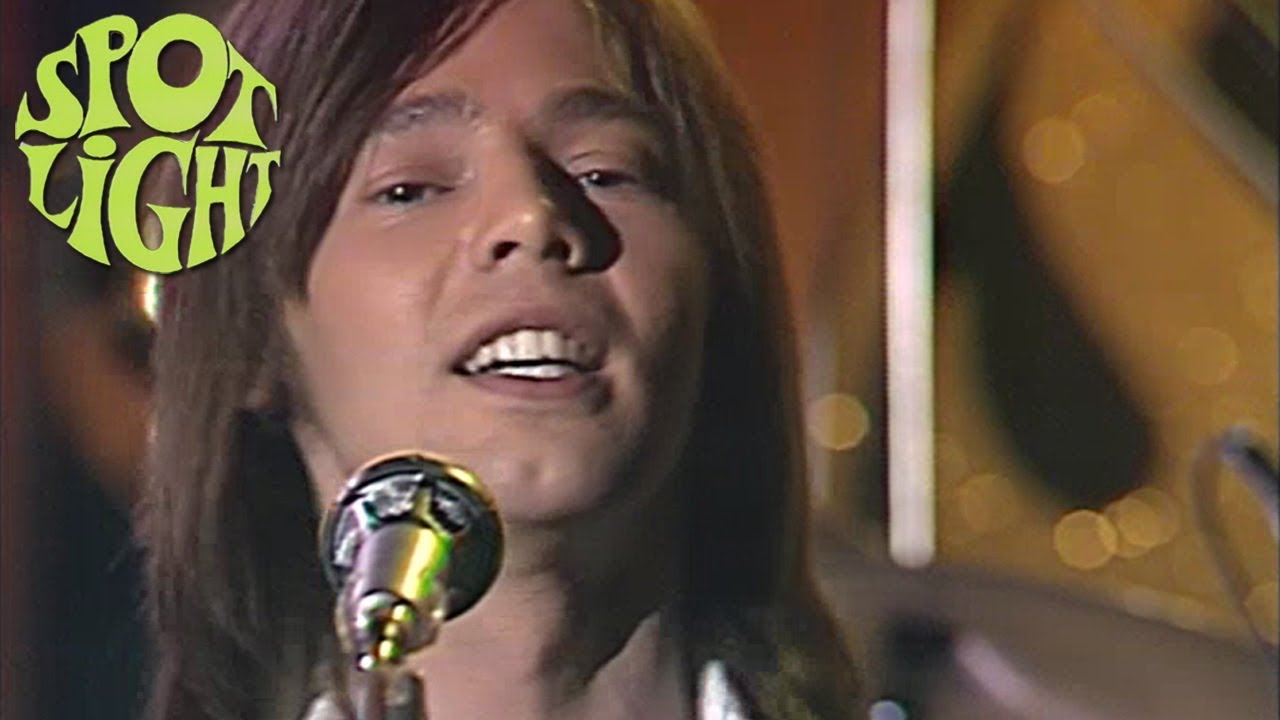







Pilot – January
A Three-Way Race To Number One
In early 1975, three EMI labelmates were locked in a competitive race to claim the number one spot on the UK charts: Queen with “Now I’m Here”, Steve Harley & Cockney Rebel with “Make Me Smile (Come Up and See Me)”, and Scottish band Pilot with “January”. When Pilot won the race, hitting number one on February 1, 1975, Freddie Mercury was reportedly so annoyed that he congratulated David Paton on the achievement but added that when Queen reached number one, he wouldn’t be talking to him. The single stayed at the summit for three weeks in the UK and dominated Australia for an impressive eight weeks, finishing as the second biggest song of 1975 down under. In America, where their previous hit “Magic” had reached number five, “January” only climbed to number eighty-seven, but its impact in the UK and Australia was undeniable.
The song’s origin came from an unexpected place. David Paton’s wife was reading a book featuring a female character named January, and she mentioned the unusual name to him. Paton loved it immediately and wrote the chorus around that name. The verses, however, had nothing to do with the character or the month. Instead, Paton was reflecting on how the massive success of “Magic” had opened up the world for him and the band. In a 2012 interview, he explained that the song captured how overwhelmed he felt by their sudden fame, with doors opening everywhere and opportunities flooding in. The contrast between the romantic-sounding chorus about January telling lies and the autobiographical verses about success created an interesting tension that worked perfectly.
Alan Parsons produced the track with his signature attention to sonic detail, and the song opens with a dramatic, hard-hitting guitar intro that sounds years ahead of its time. That explosive opening became one of the most recognizable intros of the era, immediately grabbing listeners’ attention before settling into the pop-rock groove. The recording featured David Paton on bass and lead vocals, Ian Bairnson on guitar, Billy Lyall on keyboards, and Stuart Tosh on drums. Parsons had already proven his production genius working on Pink Floyd’s The Dark Side of the Moon and The Beatles’ Abbey Road, and his polish elevated Pilot’s sound to something special. When Paton arrived at Air Studios in London on chart day, he had no idea where the song stood. Alan Parsons walked up, shook his hand, and said simply, “Congratulations, you’re number one.” Paton later described feeling completely dumbstruck by the achievement.
The song appeared on Pilot’s second album Second Flight, released in June 1975 on EMI Records. This was their first album as a proper four-piece with Ian Bairnson officially joining after playing as a session musician on their debut. The album also spawned the UK top forty hit “Call Me Round”, co-written by Paton and Bairnson. Other standout tracks included “Do Me Good” and the epic “Dear Artist”, both written by Billy Lyall. Despite the album’s success, the band struggled to replicate the chart magic of “January”, with subsequent singles “Just a Smile” reaching number thirty-one and follow-ups failing to crack the top thirty. Management issues and stress began taking their toll, and by 1977, only Paton and Bairnson remained from the original lineup.
The legacy of Pilot extends far beyond their own chart success. All four members became part of the original Alan Parsons Project lineup, with Paton remaining a core member for ten years. Paton went on to work with Kate Bush on her first two albums The Kick Inside and Lionheart, and spent three years touring and recording with Elton John, including performing at Live Aid in 1985. Bairnson and Paton also co-wrote hits for Westlife in the 2000s, including “Obvious” and “Amazing”, which reached numbers three and four respectively in the UK. Billy Lyall released a solo album in 1976 before tragically dying from an AIDS-related illness in 1989. In 2021, Paton and Bairnson released The Magic EP, featuring completely re-recorded versions of their hits including “January”. Ian Bairnson passed away in April 2023 at age sixty-nine after battling dementia.
“January” remains Pilot’s signature achievement in the UK, even more successful there than “Magic” which had been their breakthrough. The song captures a specific moment in mid-seventies pop when production was becoming more sophisticated and Scottish bands were making their mark internationally. For anyone discovering the rich catalog of seventies pop-rock, “January” is essential listening—not just for that explosive intro or the catchy chorus, but for how it perfectly captured the feeling of overnight success from a songwriter trying to process how quickly his world had changed. And all because his wife mentioned an unusual name from a book.
Enjoyed this one? New forgotten gems every day — tap Music Videos Club below to visit and follow us on Facebook:
Related videos
 Watch LaterAdded
04:13
Watch LaterAdded
04:13  Watch LaterAdded
03:46
Watch LaterAdded
03:46  Watch LaterAdded
03:13
Watch LaterAdded
03:13