






![David Lee Roth – California Girls (Official Video) [HD]](https://musicvideosclub.com/wp-content/uploads/2026/10/david-lee-roth-california-girls-360x203.jpg)

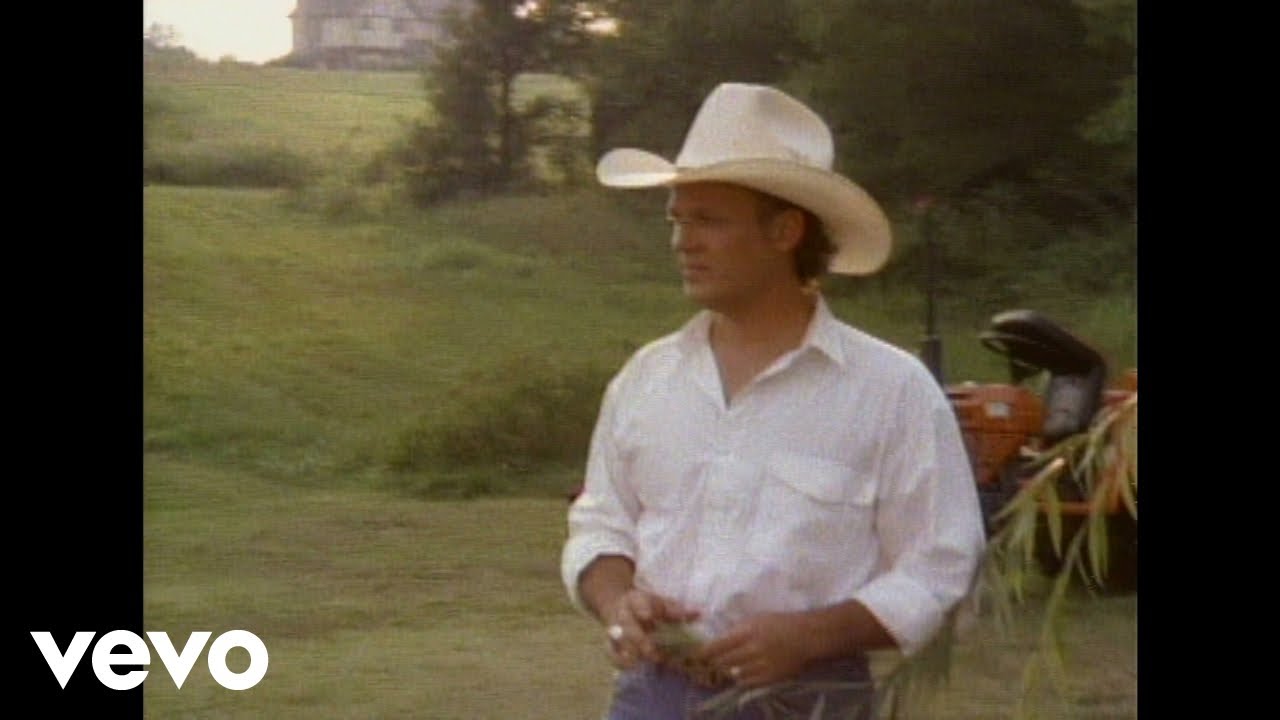
Ricky Van Shelton – I’ll Leave This World Loving You
Changed From Waltz To 4/4 Time—Became His First Multi-Week Number One
Released in August 1988 as the lead single from Loving Proof, “I’ll Leave This World Loving You” reached number one on Billboard’s Hot Country Songs chart on November 19, 1988, holding the top spot for two consecutive weeks and becoming Ricky Van Shelton’s fourth consecutive number one hit and his first multi-week chart-topper. The song finished as the sixth biggest country single of 1988 and helped propel Loving Proof to number one on the Top Country Albums chart, where it was certified platinum by the RIAA on December 20, 1989. The track’s music video became the most popular of Shelton’s career, eventually reaching over 13 million views and establishing him as one of country music’s premier male vocalists during the late 1980s. What nobody watching Shelton’s smooth baritone performance knew was that the song had already failed twice before—once as a 1974 B-side by its writer Wayne Kemp, then again when Kemp re-recorded it in 1980 only to see it stall at number 47, leaving producer Steve Buckingham to hold onto it for years until he found the perfect voice to make it work.
While “I’ll Leave This World Loving You” topped country charts, it demonstrated Shelton’s remarkable commercial momentum during the late 1980s. His debut album Wild-Eyed Dream had produced three consecutive number ones with “Somebody Lied,” “Life Turned Her That Way,” and “Don’t We All Have the Right,” making him the first male country artist since 1964 to score his first four charting singles at number one. The streak established Shelton as country music’s hottest new male vocalist, competing with established stars like Randy Travis and George Strait for radio dominance. The Loving Proof album spawned two additional number one hits with “From a Jack to a King” in March 1989 and “Living Proof” in October 1989, while “Hole in My Pocket” reached number four. By 1990, Shelton had become one of country music’s most consistent hitmakers, with each of his first four studio albums achieving platinum certification and reaching number one on the country charts.
Wayne Kemp wrote “I’ll Leave This World Loving You” with co-writer Mack Vickery, though Kemp first achieved nationwide attention in 1965 when George Jones recorded his song “Love Bug,” which reached number six on Billboard’s Hot Country Singles. Three years later, Kemp’s “Image of Me” became Conway Twitty’s first major hit, leading to a long-running partnership. Twitty recorded several Kemp compositions including “Darling, You Know I Wouldn’t Lie,” “That’s When She Started To Stop Loving You,” and his first number one single “Next In Line,” eventually hiring Kemp as guitarist for his road band. Despite writing hits for other artists, Kemp struggled to find success with his own recordings. He released “I’ll Leave This World Loving You” as the B-side to his 1974 single “Harlan County,” but neither track charted. Six years later, Kemp tried again, re-recording the song as an A-side, but it peaked at number 47 and disappeared.
Producer Steve Buckingham heard something special in Kemp’s song despite its commercial failures and filed it away in his collection of older recordings, waiting for the right artist to bring it to life. Buckingham was working at Columbia Records when he finally found his singer in 1987—Ricky Van Shelton, a Virginia native who’d moved to Nashville in 1984 with his girlfriend Bettye Witt. Shelton had been performing in nightclubs when a local newspaper columnist heard his demo and helped arrange a showcase that landed him a CBS deal in 1986. Buckingham produced Shelton’s debut Wild-Eyed Dream, meticulously selecting songs from his collection of previously recorded material. The strategy worked brilliantly—“Somebody Lied” was penned by Conway Twitty’s nephew Larry Jenkins and had been recorded by Twitty for his 1985 album, while “Life Turned Her That Way” had been a minor hit for Mel Tillis in 1967. When Buckingham and Shelton began work on the second album, “I’ll Leave This World Loving You” was an obvious choice.
Recording sessions for Loving Proof took place in 1988, with Shelton making a crucial decision that transformed the song’s character. Kemp had recorded it as a waltz in 3/4 time, giving it a traditional country feel that emphasized its melancholic lyrics about accepting the end of a relationship while promising eternal devotion. Shelton was familiar with Kemp’s waltz version but recognized the song would work better in 4/4 time, using different phrasing and enunciation to give it more commercial appeal without sacrificing emotional impact. This seemingly technical decision proved revolutionary—by converting the waltz into a standard country ballad tempo, Shelton made the song more accessible to radio programmers and listeners who preferred straightforward mid-tempo ballads over traditional waltzes. The production featured Shelton’s smooth baritone croon supported by steel guitar, subtle percussion, and understated orchestration that let the vocal performance and heartbreaking lyrics dominate. Engineers captured Shelton’s delivery with clarity, allowing every nuance of his interpretation to resonate with audiences who responded to the song’s message about love outlasting relationships.
Loving Proof, released in 1988 via Columbia Records, became Shelton’s second number one album on the Top Country Albums chart, cementing his status as one of country music’s premier new voices. The ten-track album featured mostly covers of songs originally recorded by other artists, demonstrating Buckingham’s skill at identifying overlooked material and matching it with the right vocalist. Beyond “I’ll Leave This World Loving You,” standout tracks included “From a Jack to a King,” a cover of Ned Miller’s 1962 crossover hit, and “He’s Got You,” first recorded by Patsy Cline as the opening track on her 1963 album Sentimentally Yours. The album also included “Don’t Send Me No Angels,” originally recorded by Wayne Kemp in 1983, and “Hole in My Pocket,” first cut by Little Jimmy Dickens in 1958. The consistent quality of Shelton’s interpretations proved he possessed not just vocal ability but artistic judgment, choosing material that showcased his strengths while honoring the original compositions.
Shelton’s career peaked during the early 1990s before musical tastes shifted dramatically with Garth Brooks’ emergence. In 1991, he teamed with Dolly Parton for the chart-topping duet “Rockin’ Years” and released Backroads, which produced two more number ones with “Keep It Between the Lines” and “I Am a Simple Man,” giving him nine career chart-toppers. By 1993, however, Shelton was moving further from the Top 10 as contemporary country evolved. He struggled with alcohol abuse during this period, and by the time he conquered his addiction, the landscape had changed completely. His 1993 album A Bridge I Didn’t Burn went gold but failed to produce major hits, becoming his only album that didn’t achieve platinum certification. After 1994’s Love and Honor album and final Top 40 hit “Where Was I,” Shelton left Columbia Records. In 1997, he formed RVS Records and released Making Plans, financing it himself and distributing exclusively through Walmart stores. He signed with Audium in 2000 for Fried Green Tomatoes, but the single “The Decision” failed to make a substantial chart impact.
Shelton retired from music in 2006 after a 20-year career that produced ten number one hits, seven additional Top 10 singles, and nine studio albums. His first four albums achieved platinum certification, and he sold millions of records during country music’s commercial peak in the late 1980s and early 1990s. Beyond music, Shelton wrote a series of successful children’s books including Tales From a Duck Named Quacker, Quacker Meets Mrs. Moo, and Quacker Meets Canadian Goose, all illustrated by Shan Williams Burklow. He recorded the Christmas album Ricky Van Shelton Sings Christmas in 1990 and the gospel record Don’t Overlook Salvation the same year, showcasing the spiritual foundation that shaped his childhood in Grit, Virginia, where his father sang gospel music. Born on January 12, 1952, at Danville Regional Medical Center, Shelton grew up singing in church before discovering country music as a teenager and performing with his brother’s band at local gatherings.
Wayne Kemp continued writing hits for other artists throughout his career, though he never achieved the recording success he’d hoped for. Ronnie Milsap covered “I’ll Leave This World Loving You” in 1975 on his album A Legend in My Time, and Mel Street recorded it for his 1977 self-titled album, but neither version achieved the success Shelton would later find. Kemp passed away in 2002, having written or co-written over 400 songs recorded by artists including George Jones, Conway Twitty, and Waylon Jennings. As music historians have noted, Shelton’s version succeeded where previous recordings failed because of his distinctive vocal delivery, the tempo change from waltz to 4/4 time, and perfect timing—releasing during country music’s late-1980s golden era when traditional vocal styling still dominated radio. The song represents everything that made Ricky Van Shelton a star: impeccable song selection, emotional authenticity, technical vocal precision, and the ability to take overlooked material and transform it into something that resonated with millions of listeners searching for country music that honored tradition while sounding fresh and contemporary.
SONG INFORMATION
Enjoyed this one? New forgotten gems every day — tap Music Videos Club below to visit and follow us on Facebook:
Related videos
 Watch LaterAdded
04:03
Watch LaterAdded
04:03  Watch LaterAdded
04:41
Watch LaterAdded
04:41 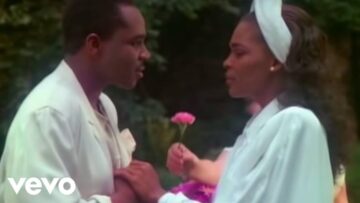 Watch LaterAdded
04:50
Watch LaterAdded
04:50