





![The Score – Revolution: Lyrics [Assassins Creed: Unity]](https://musicvideosclub.com/wp-content/uploads/2025/10/the-score-revolution-lyrics-assa-360x203.jpg)





![Kid Rock – All Summer Long [Official Music Video]](https://musicvideosclub.com/wp-content/uploads/2025/12/kid-rock-all-summer-long-officia-360x203.jpg)





![Sister Sledge – Hes the Greatest Dancer (Official Music Video) [4K]](https://musicvideosclub.com/wp-content/uploads/2025/09/sister-sledge-hes-the-greatest-d-360x203.jpg)











![Eagles – The Best of My Love (Live 1977) (Official Video) [4K]](https://musicvideosclub.com/wp-content/uploads/2025/03/eagles-the-best-of-my-love-live-360x203.jpg)




![Stevie Nicks – Talk To Me (Official Music Video) [HD Remaster]](https://musicvideosclub.com/wp-content/uploads/2025/12/stevie-nicks-talk-to-me-official-360x203.jpg)
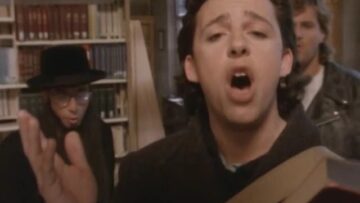
The Jam – Thats Entertainment
Written In Ten Minutes After Coming Home Drunk From The Pub
Never officially released as a domestic single in the UK during The Jam’s lifetime, “That’s Entertainment” nonetheless charted as an import single in February 1981, peaking at number twenty-one and becoming one of the two all-time biggest-selling import singles in UK history alongside the band’s own “Just Who Is the 5 O’Clock Hero.” The track appeared on their fifth studio album Sound Affects, released on November twenty-eighth, 1980, which peaked at number two on the UK Albums Chart and sold over one hundred thousand copies. When finally given its first full UK release in 1983, it peaked at number sixty, and a 1991 reissue made the top fifty. What most fans don’t know is that Paul Weller wrote the entire song in approximately ten minutes flat after returning to his Pimlico flat in London from the pub, slightly drunk, with all those images of urban decay and working-class drudgery fresh in his mind and readily at hand. He drew on everything around him, and the bitter social commentary flowed out faster than he could write it down.
The import single entered the UK chart in February 1981 and climbed to number twenty-one despite Polydor never releasing it domestically during the band’s active years. This bizarre chart phenomenon occurred because fans imported the German pressing in such numbers that it qualified for chart inclusion based purely on import sales. The track spent several weeks on the chart and became a peculiar success story, proving The Jam’s devoted following would pay premium prices for material unavailable through normal channels. When Polydor finally capitulated and released it as a proper UK single in 1983 after the band had split, it disappointingly peaked at number sixty. The 1991 reissue fared slightly better but still couldn’t match the import’s original impact. In the United States, the song received virtually no commercial attention despite Sound Affects becoming The Jam’s highest-charting American album at number seventy-two on the Billboard 200. Rolling Stone later ranked it number three hundred six on their five hundred greatest songs of all time list in 2004, while BBC Radio 2 placed it forty-third on their best songs ever released by any artist.
Weller has been refreshingly candid about the song’s origins in multiple interviews over the decades. He told Absolute Radio he wrote it in ten minutes flat whilst under the influence, admitting he’d had a few but explaining that some songs just write themselves. In other interviews, he mentioned being in London by the time he wrote it, noting that writing was easy in a sense because all those images were at hand, around him. The lyrics catalog the mundane miseries of urban British life with devastating precision: pneumatic drills and ripped-up concrete, babies wailing and stray dogs howling, screeching brakes and blinking lamplights. Each verse presents another snapshot of working-class existence before the laconic, ironic refrain dismisses it all as entertainment. The title itself mocks the Hollywood glamour of the classic song of the same name, contrasting golden age escapism with early eighties British social decay. Weller captured something essential about Thatcher’s Britain that resonated far beyond the song’s modest chart position.
The band recorded Sound Affects at the Town House Studios in London during 1980, self-producing the album alongside Vic Coppersmith-Heaven. This marked the only Jam album co-produced by the band themselves, giving them complete creative control over the sound. The stripped-back arrangement of this particular track featured Weller on acoustic guitar and vocals, Bruce Foxton on bass, and Rick Buckler on light percussion, creating a stark contrast to the full-bodied punk energy of their earlier work. The production deliberately avoided overdubs, letting the raw acoustic arrangement speak for itself. A reversed, wailing guitar appeared in the final verse, musically echoing the song’s bleak message. The recording captured something vulnerable and immediate, sounding more like a demo than a polished studio track. That rawness became the point, making the social commentary hit harder by refusing to dress it up. The album’s cover art was a pastiche of BBC sound effects LPs that Weller found in a recording studio, with the boxed images replaced by ones relevant to The Jam including many items mentioned in these lyrics: police cars, stray dogs, phone booths, graffiti, and taxi cabs.
Sound Affects debuted at number two on the UK Albums Chart on December sixth, 1980, held from the summit by ABBA’s Super Trouper. The album spent nineteen weeks on the chart and was ranked the best album of 1980 by Record Mirror. It followed their previous albums’ pattern of increasing commercial success, from number six with All Mod Cons to number four with Setting Sons, and positioned them perfectly for their final album The Gift which finally hit number one in 1982. Weller later cited Sound Affects as his favorite Jam album, noting influences from The Beatles’ Revolver and Michael Jackson’s Off the Wall. He described the album as a cross between those two records, an ambitious claim that the final product justified. Beyond this track, the album spawned “Start!,” which became The Jam’s second UK number one single, borrowing its bassline from The Beatles’ “Taxman.” In 2006, Q magazine placed Sound Affects at number fifteen on their list of the forty best albums of the eighties.
The song’s chart history reflects The Jam’s unique relationship with their fanbase and the music industry. Polydor’s refusal to release it domestically during the band’s lifetime stemmed from concerns it was too downbeat for commercial radio, yet fans imported it in such quantities that it charted anyway. This grassroots support demonstrated The Jam’s devoted following, which Weller acknowledged in a 1981 Creem magazine interview, noting their English following took four years to build that large but was always a powerful force. When the band split in December 1982, their first fifteen singles were re-released and all placed within the top one hundred, testament to their cultural impact. Morrissey covered the song in 1991 as a B-side for “Sing Your Life,” later including it on his Suedehead: The Best of Morrissey compilation. The track has appeared on numerous best-of lists and remains a staple of British rock radio despite never being a proper hit.
“That’s Entertainment” stands as The Jam’s most enduring social document and perhaps British rock’s most brutally honest portrait of working-class life under Thatcherism. Weller’s confession that he wrote it in ten minutes while drunk doesn’t diminish its power but enhances it, proving that sometimes the most authentic art emerges when inhibitions disappear and raw truth flows freely. The contrast between the song’s stark acoustic arrangement and its chart-topping contemporaries’ polished production emphasizes how The Jam refused to compromise their vision for commercial acceptance. What Hollywood’s golden age song celebrated with champagne and glamour, Weller’s version catalogued with concrete and despair, turning the title itself into bitter irony. Forty-five years later, the song remains devastatingly relevant, its images of urban decay and social alienation applicable to any era when ordinary people struggle while being told their hardships are somehow entertainment. That The Jam’s fans forced it onto the charts through sheer determination despite industry resistance proves Weller succeeded in writing not just for himself but for everyone watching their neighborhoods crumble and calling it progress.
Related videos
 Watch LaterAdded
02:51
Watch LaterAdded
02:51  Watch LaterAdded
04:38
Watch LaterAdded
04:38  Watch LaterAdded
04:20
Watch LaterAdded
04:20