



![The Score – Revolution: Lyrics [Assassins Creed: Unity]](https://musicvideosclub.com/wp-content/uploads/2025/10/the-score-revolution-lyrics-assa-360x203.jpg)








![Lady Antebellum – Silent Night [4K]](https://musicvideosclub.com/wp-content/uploads/2025/12/lady-antebellum-silent-night-4k-360x203.jpg)
![The Dead South – You Are My Sunshine [Official Music Video]](https://musicvideosclub.com/wp-content/uploads/2026/01/the-dead-south-you-are-my-sunshi-360x203.jpg)



![Sister Sledge – Hes the Greatest Dancer (Official Music Video) [4K]](https://musicvideosclub.com/wp-content/uploads/2025/09/sister-sledge-hes-the-greatest-d-360x203.jpg)








![Gary Moore – Still Got The Blues (Live at Hammersmith Odeon) [HD]](https://musicvideosclub.com/wp-content/uploads/2025/10/gary-moore-still-got-the-blues-l-360x203.jpg)
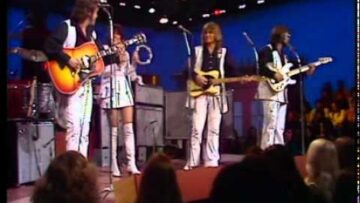
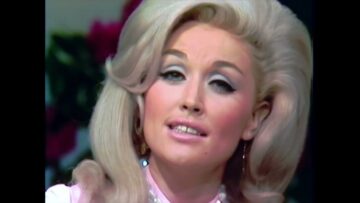
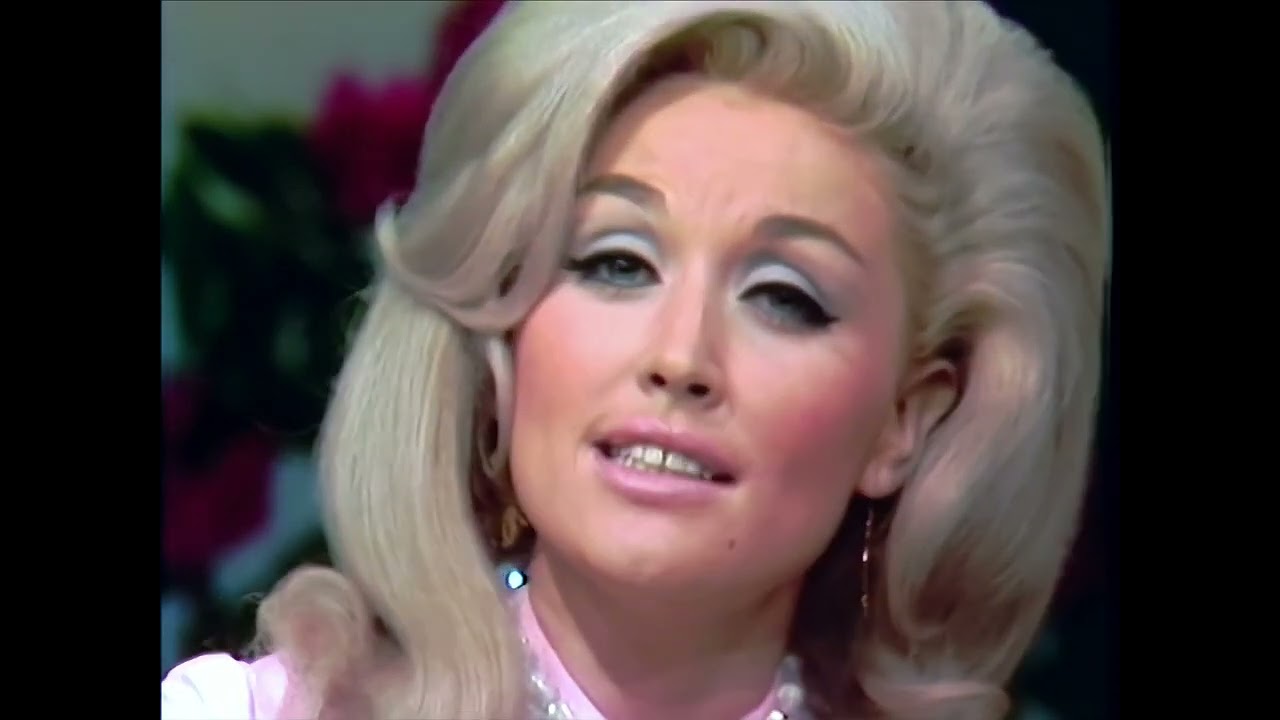
Dolly Parton – Coat of Many Colors
When A Dry Cleaning Receipt Became A Legacy
Dolly Parton released “Coat of Many Colors” in September 1971 as the second single and title track from her eighth solo album. She’d written the song in 1969 while touring with Porter Wagoner, scribbling lyrics on the back of a dry cleaning receipt from one of Wagoner’s suits because she couldn’t find paper as the words came flooding out. Wagoner later framed that receipt after the song became a hit. The track climbed to number four on the Billboard Hot Country Singles chart and reached number 15 in Canada, spending months on the charts while the album peaked at number seven on the Country LPs chart. The song never crossed over to pop radio, never won major awards, yet Rolling Stone ranked it number two on their list of 50 best Dolly Parton songs, calling it an expression of overwhelming pride and crushing anguish that would have secured her legacy even if she’d never written another line.
The chart performance revealed country radio’s embrace of autobiography as authenticity. The song competed against slicker Nashville productions in late 1971, yet programmers recognized something different in Parton’s naked honesty about childhood poverty. The first single from the album, “My Blue Tears,” had peaked at number 17 in July, demonstrating modest commercial expectations for the LP. But “Coat of Many Colors” connected with audiences tired of romanticized country life. Parton sang about being laughed at, mocked, and humiliated for wearing rags to school, and listeners responded by making it one of her most requested songs for five decades. The album earned a 1972 CMA nomination for Album of the Year, competing against mainstream heavyweights. In 2006, Time magazine included it on their 100 Greatest Albums of All Time list, recognizing Parton’s raw storytelling as essential American art.
The song recounted Parton’s childhood in Locust Ridge, Tennessee, where her mother Avie Lee stitched together a coat from fabric scraps donated to the family. Parton grew up in a one-room cabin with no electricity, no running water, and eleven siblings competing for space. Her father Robert Lee paid Dr. Robert F. Thomas with a sack of cornmeal for delivering Dolly on January 19, 1946. She later called herself dirt poor, qualifying it by explaining they were rich in love, kindness, and understanding. The coat narrative centered on Avie Lee telling young Dolly the Biblical story of Joseph while sewing the brightest, most colorful scraps she could find. Parton remembered wearing the unfinished coat around the house, strutting until her siblings got sick of her showing off, barely sleeping the night before wearing it to school.
Recording sessions happened at RCA Studio B in Nashville on April 16 and 27, 1971, with producer Bob Ferguson overseeing tracks that became the album’s foundation. Parton wrote seven of the ten songs, with Porter Wagoner contributing three. Ferguson understood Parton’s gift for narrative detail, allowing her vocal clarity to dominate without excessive orchestration. The stripped-down production let listeners focus on lyrics about a little boy saying the coat looked like a bunch of rags, the room full of mocking faces, laughing and jeering. Parton transformed childhood trauma into parable, explaining in her memoir that the experience taught her about bullying, love, acceptance, and good parents. She told interviewers she’d gained perspective with time, understanding that as painful as the mockery was, it shaped who she became.
The album Coat of Many Colors established Parton as a major talent beyond her duet partnership with Wagoner. She’d appeared on The Porter Wagoner Show since 1967, gaining national visibility but struggling to escape his shadow. Critics like AllMusic’s Stephen Thomas Erlewine later recognized the album as announcing Parton in her own right, not merely as a duet partner. The LP included other autobiographical gems like “Traveling Man”, which Parton re-recorded in 1973 for Bubbling Over, and “My Blue Tears,” later covered by Linda Ronstadt on her Get Closer album. The album cover featured an artist’s rendering of young Dolly wearing her famous coat, making the connection between past and present explicit. A final verse Parton wrote but never recorded appeared only on the 1975 compilation Best of Dolly Parton, including lines about remaining happy through life and good luck being on her side.
The song’s influence extended across media and generations. A 1996 children’s picture book illustrated by Judith Sutton brought the narrative to new audiences, selling thousands of copies and appearing in school libraries nationwide. NBC produced a 2015 TV movie starring Alyvia Alyn Lind as young Dolly, with Jennifer Nettles playing Avie Lee and Ricky Schroder as Robert Lee. The film drew 13 million viewers. Kristy Lee Cook performed it on American Idol during Dolly Parton Week in 2008. Eva Cassidy’s posthumous 2008 collection Somewhere included her take on the song. Brandi Carlile and Pink performed it together during Parton’s 2022 Rock and Roll Hall of Fame induction, bringing the audience to tears. The Atlanta Journal-Constitution ranked it number 10 on their 100 Songs of the South in 2005, recognizing its universal themes of poverty, bullying, and resilience.
Parton explained the original coat was eventually used for various purposes, lost to time and necessity, but her mother later made a new one for display at the Chasing Rainbows Museum inside Dollywood. The replica of her childhood cabin at Dollywood’s Rivertown Junction, built by her brother Bobby and decorated with Avie Lee’s approval, contains many original family treasures and allows visitors to understand the poverty she described. The cabin still stands on Locust Ridge, though the property remains private and gated. Parton bought back the farm in the late 1980s after her parents sold it, unable to live in such primitive conditions as modern conveniences became available. The restoration and preservation showed how deeply she valued those roots even while building an empire worth hundreds of millions.
Billboard’s October 16, 1971 review called the song a touching ballad that would kick off her biggest selling album to date, predicting commercial success before charts confirmed it. Cashbox praised Dolly’s releases for getting better each time, calling this one another bullseye. Those reviews proved prophetic. The song became Parton’s calling card, the track she couldn’t perform without audiences singing along, remembering their own moments of shame and pride intertwined. She’d captured something fundamental about childhood poverty, about mothers who tried to make something beautiful from nothing, about kids who learned too early that the world judges harshly. When Parton sang that one is only poor if they choose to be, she wasn’t denying material hardship but insisting on spiritual wealth. That message, written hastily on a dry cleaning receipt during a tour bus ride in 1969, became the song that defined her more than any crossover hit or platinum record. The coat of many colors wasn’t just fabric. It was love made visible, and Dolly Parton spent fifty years reminding everyone that love mattered more than mockery, that a mother’s care outweighed a schoolyard’s cruelty. The song proved she was right.
SONG INFORMATION
Related videos
 Watch LaterAdded
05:47
Watch LaterAdded
05:47  Watch LaterAdded
 Watch LaterAdded
08:38
Watch LaterAdded
08:38