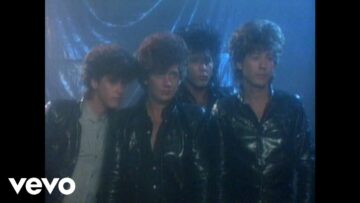
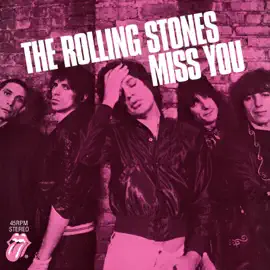
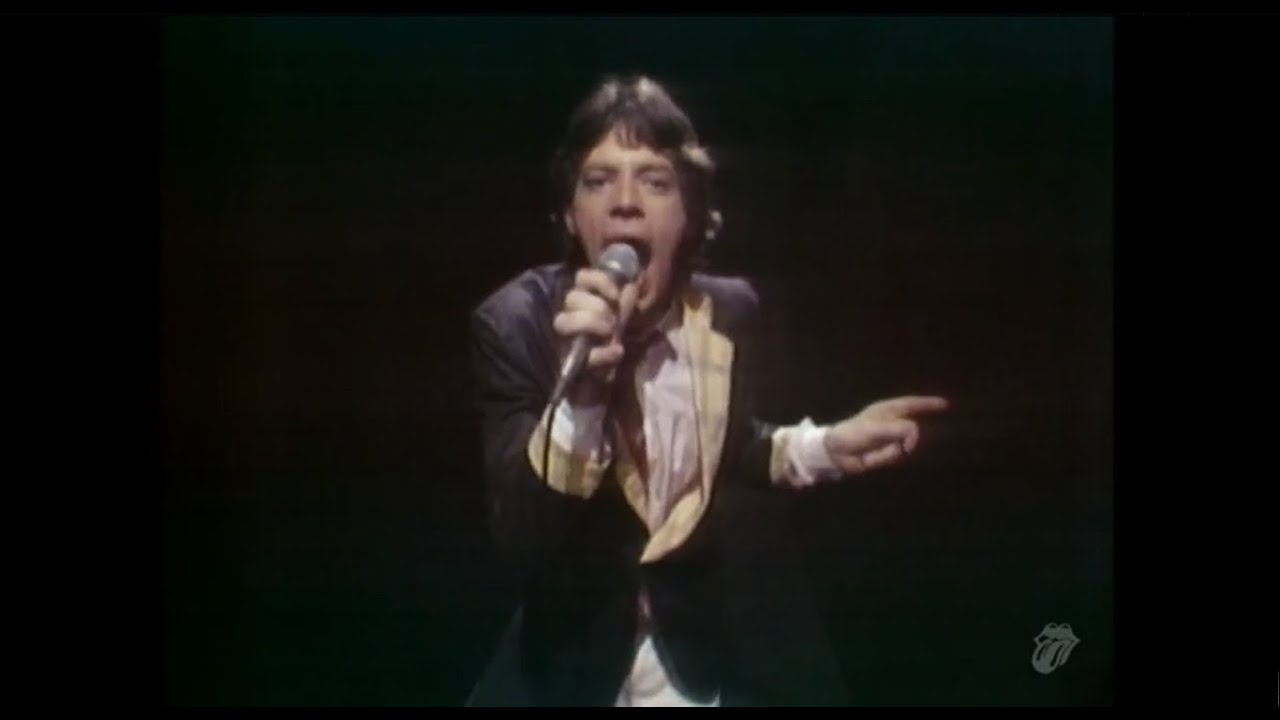
The Rolling Stones have not topped the American chart since 1978, and the song that took them there was the one fans accused them of selling out to make
The Rolling Stones have not had a number one single in the United States since August 1978. Forty-eight years, dozens of releases, several tours billed as farewells, and the last time they stood at the top of the American chart was with a four-on-the-floor track built around a bassline a keyboard player wrote and a harmonica part played by a man discovered busking in a Paris subway station. A significant portion of their audience regarded it as a betrayal. It remains the eighth and final time they got there.
The song started in a rehearsal room in early 1977, while the band prepared for two club dates at Toronto’s El Mocambo. Mick Jagger was jamming with Billy Preston, and most of what became Miss You came out of that session. Preston arrived at the bassline. Bill Wyman took it, worked it, and made it the thing the record stands on. Keith Richards was otherwise occupied in Toronto that spring, which is why Some Girls ended up being Jagger’s album more than any Stones record before it — he wrote most of it and decided its shape.
A harmonica player from the Métro
Recording ran from October to December 1977 at Pathé-Marconi in Paris, with the band playing together in one room rather than tracking separately, which by then had become the industry default. The guest list was short by Stones standards. Ian McLagan, Ronnie Wood’s old bandmate from the Faces, played electric piano. Mel Collins, previously of King Crimson, took the saxophone. And the harmonica hook that carries the entire song came from a musician the band had never heard of two weeks earlier.
Sugar Blue was born James Whiting in Harlem and was playing for coins in the Paris Métro when the Stones’ road manager Sandy Whitelaw heard him. He was brought to the sessions and improvised the part on the spot. It is the melodic signature of the record, more recognizable than any guitar line on it, and it belongs to a busker. Ronnie Wood later described watching him work a single harmonica through keys that should have required several instruments.
Released on May 10, 1978, a month ahead of the album, Miss You reached number one on the Billboard Hot 100 for a week that August and number three in Britain. The disco charge followed it everywhere. Charlie Watts never bothered denying it — he and Jagger had been going to clubs, and what they heard there is in the drumming, four on the floor with a Philadelphia lift. The band’s own position was that the record was closer to R&B than disco, a distinction that mattered enormously to them and not at all to the people burning their copies.
Eight and a half minutes for the clubs
Then came the twelve-inch. The Special Disco Version stretched the song to eight minutes and twenty-six seconds and became the first dance remix the Rolling Stones ever released, aimed squarely at club DJs. For a band whose reputation rested on being the most dangerous group in rock, pressing a record specifically for discotheques was either commercial suicide or the smartest thing they did that decade. Richards, writing years later, allowed that a huge hit came out of it, and noted that nothing else on the album sounds remotely like it.
Some Girls went to number one in America and number two in Britain, sold six million copies there by the turn of the century, and became the biggest-selling record of the band’s career in the United States. Rolling Stone has kept Miss You in its 500 Greatest Songs list across two decades, at 496 in 2004 and 498 in 2010. Jagger, asked repeatedly what it was about, has resisted attaching it to any particular woman — his framing is that the song is a feeling rather than a story, longing without a subject. Which is a fair description of a record that arrived at the end of one era, borrowed heavily from another, and closed out a run nobody knew was ending.
SONG INFORMATION
Artist: The Rolling Stones
Song: “Miss You”
Album:Some Girls
B-side: “Far Away Eyes”
Released: May 10, 1978 (US); May 26, 1978 (UK)
Recorded: October 10 – December 21, 1977
Studio: Pathé-Marconi, Paris, France
Label: Rolling Stones Records
Songwriter(s): Jagger–Richards
Producer(s): The Glimmer Twins
Length: 4:48 (album), 3:35 (7-inch), 8:26 (12-inch Special Disco Version)
Chart Performance: No. 1 Billboard Hot 100 (one week, August 1978); No. 3 UK
Lineup: Mick Jagger — vocals, rhythm guitar; Keith Richards — rhythm guitar, backing vocals; Ronnie Wood — lead and rhythm guitar, backing vocals; Bill Wyman — bass; Charlie Watts — drums
Guest Musicians: Sugar Blue — harmonica; Mel Collins — saxophone; Ian McLagan — electric piano




![Eric Clapton – I Shot The Sheriff [Crossroads 2010] (Official Live Video)](https://musicvideosclub.com/wp-content/uploads/2026/09/eric-clapton-i-shot-the-sheriff-360x203.jpg)