




![Eric Clapton – I Shot The Sheriff [Crossroads 2010] (Official Live Video)](https://musicvideosclub.com/wp-content/uploads/2026/09/eric-clapton-i-shot-the-sheriff-360x203.jpg)
Three Degrees – When Will I See You Again
She Screamed And Yelled And Threw A Tantrum Because It Was Too Simple
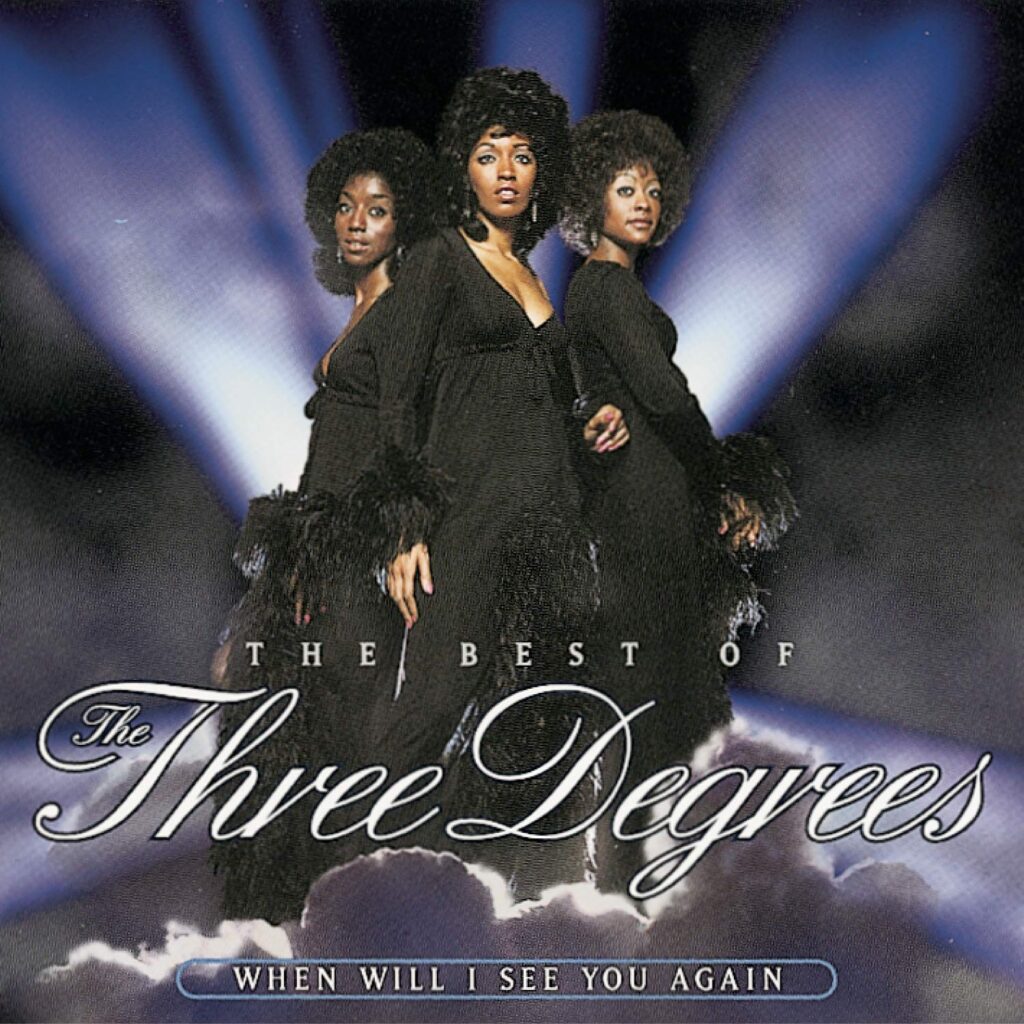
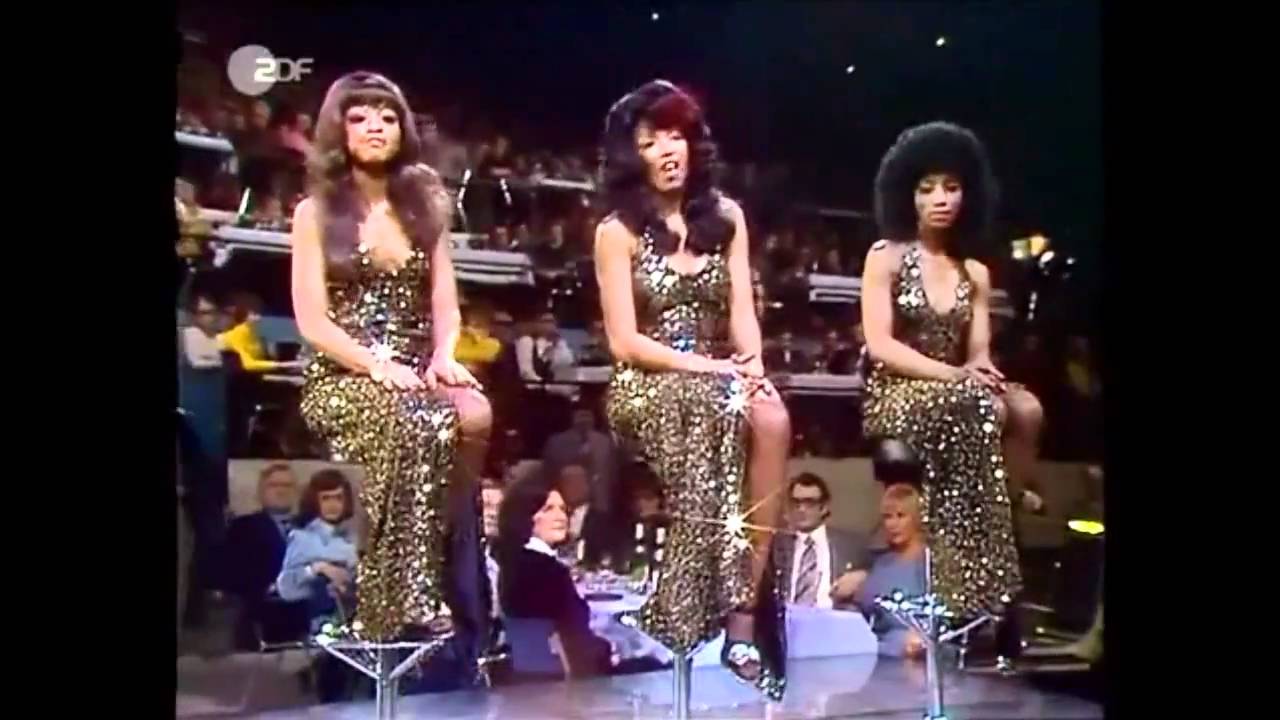
Released in summer 1974, The Three Degrees’ “When Will I See You Again” became one of the most successful Philly Soul recordings despite lead singer Sheila Ferguson throwing a tantrum when Kenny Gamble first played it for her at the piano in 1973. Ferguson screamed and yelled that she would never sing it, considering it ridiculously insulting to be given such a simple song that took no talent to perform. Several million copies later, she admitted Gamble knew more than her. The single peaked at number two on the Billboard Hot 100 in December 1974, blocked only by Carl Douglas’ “Kung Fu Fighting,” while topping the Adult Contemporary chart for one week and reaching number four on the R&B chart. In the UK it performed even better, spending two weeks at number one in August 1974, making The Three Degrees the first girl group to top the UK Singles Chart since The Supremes in 1964. The song sold over two million copies and earned Platinum certification, becoming the group’s signature hit and Prince Charles’ favorite song, which they performed at his thirtieth birthday party at Buckingham Palace in 1978.
The chart dominance came three years after the group appeared in the nightclub scene of the 1971 Academy Award-winning film The French Connection, filmed at the actual Copacabana where they performed Jimmy Webb’s “Everybody Gets to Go to the Moon.” Director William Friedkin later took credit for their success in his DVD commentary, boasting with what one observer called the humble nature of a Donald Trump. WFIL AM 560 in Philadelphia became the first US station to broadcast “When Will I See You Again,” courtesy of disc jockey George Michael on his last day before leaving for WABC Radio in New York. The song’s unique construction featured every sentence as a question, heightening the overall emotional effect and creating wistful longing that resonated across demographics. Billboard later ranked it number sixty-seven on their list of 100 Greatest Girl Group Songs of All Time, recognizing its enduring impact on pop music history.
The group formed around 1963 in Philadelphia, originally as The Twelve Degrees before settling on The Three Degrees after numerous personnel changes. Producer and songwriter Richard Barrett discovered them, having previously worked with The Chantels, Little Anthony and the Imperials, and The Valentines. The classic lineup of Sheila Ferguson, Fayette Pinkney, and Valerie Holiday came together by 1967 and remained stable until 1976 when Pinkney left to pursue full-time education, replaced by returning member Helen Scott. Ferguson sang lead on “When Will I See You Again,” accompanied by Pinkney and Holiday’s harmonies. Kenny Gamble and Leon Huff wrote and produced the track as part of their Philadelphia International Records empire, creating the lush Philly Soul sound that defined mid-1970s R&B. The song appeared on their third album The Three Degrees, released at the end of 1974 following the single’s massive success.
Recording took place at Sigma Sound Studios in Philadelphia during 1973, though exact session dates remain undocumented. Gamble and Huff assembled their legendary house band MFSB (Mother Father Sister Brother) featuring Norman Harris on guitar, Ronnie Baker on bass, Earl Young on drums, and Vince Montana on vibraphone, with lush string arrangements by Bobby Martin. The production exemplified the Philly Soul aesthetic: sweeping orchestration, propulsive rhythm section, and smooth vocal harmonies creating an instantly recognizable sound. Ferguson’s lead vocal conveyed vulnerability and yearning without melodrama, perfectly matching the lyrical questions about separation and reunion. The track lasted approximately two minutes fifty seconds, adhering to radio-friendly single format while maintaining emotional depth. The B-side “Year of Decision” showcased the group’s versatility but failed to achieve comparable chart success or cultural penetration.
“When Will I See You Again” served as the second single from their Philadelphia International debut, following “TSOP (The Sound of Philadelphia)” where they provided featured vocals for MFSB’s mostly instrumental track that topped the Billboard Hot 100 in April 1974, giving them their only US number one hit though credited as featured artists rather than primary performers. The follow-up “I Didn’t Know,” written and produced by Bunny Sigler, reached number eighteen R&B in early 1975, with the group performing it on NBC’s Sanford and Son. Their only other charting Philadelphia International single was “Take Good Care of Yourself” which peaked at number sixty-four R&B in summer 1975. The commercial momentum stalled after Pinkney’s departure, though the group maintained strong UK popularity through the late 1970s working with Giorgio Moroder after signing to Ariola Records in 1978.
The Prince Charles connection transformed The Three Degrees into British cultural fixtures. Publicly proclaiming them as his favorite group, the media dubbed them “Charlie’s Angels” years before the television series made that phrase ubiquitous. They performed at Buckingham Palace for his thirtieth birthday party in 1978, sang at his pre-wedding party to Princess Diana, and were the only American guests besides Nancy Reagan invited to the 1981 royal wedding. Their own television program was recorded at the Royal Albert Hall in London in October 1979, cementing their status as UK favorites despite fading American success. Between 1974 and 1985, The Three Degrees achieved thirteen UK Top 50 hits, far surpassing their three US Top 40 placements. The Ariola years produced UK hits “The Runner,” “My Simple Heart,” “Giving Up Giving In,” and “Woman In Love,” all reaching the UK Top 20 and showcasing Moroder’s disco production expertise.
The covers and cultural appropriations tell their own story. Brother Beyond recorded it on their 1989 album Trust, while Thomas Anders released his version with The Three Degrees in 1993, followed by a Spanish-language version titled “Una mañana de sol” in 1994. Geoffrey Chung arranged a reggae version on the Antrim label in 1974. Magda Layna released it as a single on Megatone Records in 1983. PJ Harvey covered it for the 1997 short film Amaeru Fallout 1972 directed by Sarah Miles. Most poignantly, U2 performed it on their Elevation Tour following the September 11 attacks, finding solace in its questions about separation and reunion during America’s collective grief. Sheila Ferguson recorded a solo remake in 1994 which reached number sixty on the UK Singles Chart, bringing her full circle back to the song she’d once despised. Jahred Gomes released it as “When” on his solo Unite EP in 2012, demonstrating the song’s continued relevance across genres and generations.
The group’s longevity proved remarkable given constant lineup changes. By 2025, The Three Degrees operated with two separate groupings: one featuring Valerie Holiday with Freddi Poole and Hazel Payne, formerly of A Taste of Honey; another featuring Helen Scott with Skyler Jordan and Tamika Peoples. Fifteen women had represented the trio across sixty-plus years, though always maintaining the three-girl format. Fayette Pinkney, a founding member, passed away in 2009 after battling acute respiratory failure and COPD. Ferguson went solo in the eighties, pursuing acting and media careers in the UK where she remained based. Holiday continued performing, making The Three Degrees the longest-running female vocal group in history with no signs of slowing down despite the decades and personnel shifts. Their adaptability and commitment to the harmonies that defined them ensured survival when countless contemporaries faded into obscurity.
Looking back, “When Will I See You Again” represents the paradox of simplicity creating depth. Ferguson’s initial reaction proved understandable for a talented vocalist seeking complex material to showcase her abilities. Yet Gamble and Huff understood something fundamental: the most universal emotions require the simplest expressions. Every sentence being a question wasn’t a limitation but a stroke of genius, transforming the song into a meditation on uncertainty that anyone who’d ever loved and lost could inhabit. The song that Ferguson screamed she’d never sing became the one she couldn’t escape, defining her career and The Three Degrees’ legacy. From the Copacabana nightclub in The French Connection to Buckingham Palace for Prince Charles, from number two on Billboard blocked by kung-fu fighting to number one in the UK as the first girl group since The Supremes, the journey proved Gamble’s wisdom. Sometimes the simplest songs contain the most profound truths, and sometimes throwing a tantrum just means you haven’t yet recognized greatness. As Ferguson admitted decades later, Gamble knew more than her. Several million copies later, the world agreed. The questions posed in 1974 remain unanswered, eternal in their yearning, perfect in their simplicity, and precisely what Ferguson needed to sing all along.
SONG INFORMATION