



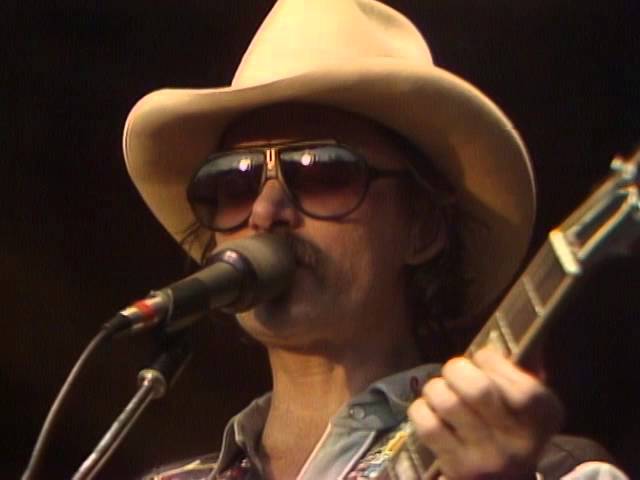

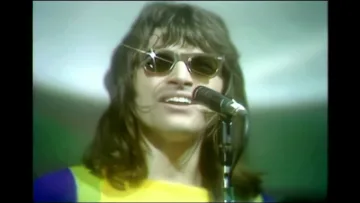

The Allman Brothers Band – Ramblin’ Man
Written At Four AM In Berry Oakley’s Kitchen
Released in August 1973 as the lead single from Brothers and Sisters, The Allman Brothers Band’s “Ramblin’ Man” peaked at number two on the Billboard Hot 100 in October, held from the summit by Cher’s “Half Breed,” and helped push the album to number one where it spent five consecutive weeks. The track spent fourteen weeks on the chart, crossed over to Adult Contemporary radio, and became the band’s only top ten pop hit despite being initially considered too country for their sound. What most fans don’t know is that Dickey Betts wrote the final lyrics in approximately twenty minutes at four in the morning in Berry Oakley’s kitchen at the Big House in Macon, Georgia, after everyone else had gone to bed. Betts had been working on the melody for over a year, but the words came fast, like he was writing a letter. The recording became Oakley’s last with the band before his death in a motorcycle crash just nine days after they captured it at Capricorn Sound Studios in October 1972.
The single entered the Hot 100 on August twenty-fifth at number eighty-five and climbed steadily through autumn. By October thirteenth, it made a sudden surge from number seven all the way to number two, where it remained blocked by Cher’s single. The irony of being kept from number one by Cher wasn’t lost on observers when Gregg Allman married her two years later in 1975. The track helped Brothers and Sisters spend its final week of a five-week run at number one on the Billboard 200 that same October weekend. Billboard ranked it among 1974’s biggest songs despite being released in late 1973. Capricorn executives had initially debated between issuing “Wasted Words” or this track as the lead single. National promotion director Dick Wooley sent advance tapes to only two stations, WQXI-AM in Atlanta and WRKO-AM in Boston, and listener phone-in reaction was near-phenomenal. That test convinced them to release it nationwide, gambling on a song that sounded nothing like the extended jams that defined their live reputation.
Betts told the Wall Street Journal he spent a lot of time in the back seat of Greyhound buses as a child, moving between central Florida’s east and west coasts while his father worked construction. Highway 41, mentioned in the lyrics, runs through Macon past Vineville Avenue where the Big House stood. An embryonic version calling someone a ramblin’ country man appeared as early as April 1971 on bootleg recordings from Gatlinburg, Tennessee. Betts continued refining the melody for over a year before that early morning kitchen session at the Big House. He drew inspiration from Hank Williams’ 1951 song of the same title, though the two compositions shared only mood and theme. When producer Johnny Sandlin asked if Betts had any songs for the upcoming album, he ran through it on acoustic guitar and everyone in the room went nuts. Drummer Butch Trucks recalled the band acknowledged it was good but were reluctant to record it, worried it sounded too country for The Allman Brothers. New keyboardist Chuck Leavell disagreed completely, noting the country direction didn’t bother him in the least and encouraging them to make it as great as they could.
The band recorded it at Capricorn Sound Studios in Macon during October 1972 with Johnny Sandlin producing. It was the first song they tracked for Brothers and Sisters, alongside “Wasted Words,” making it Berry Oakley’s final recording before his November eleventh death. Betts knew it needed a solid intro to grab listeners, drawing on fiddle music his father had played during his childhood. What he created was a fiddle-like opener built on a pentatonic scale, with him on guitar and Chuck Leavell on piano exchanging lines. The band had initially gone into the studio to record a demo for a friend when they created the extended guitar jam near the song’s finale. Young guitarist Les Dudek, who was contributing to the album, sat in the control room as they recorded. Betts kept asking his opinion and eventually invited him to play on the track. Dudek stood where Duane Allman would have stood, with Oakley staring a hole through him in what he described as very intense and very heavy. Betts played slide guitar flat like a lap steel as homage to Duane, while he and Dudek recorded four guitar parts with Dudek handling higher registers and Betts playing lower, creating harmonies across two octaves.
Brothers and Sisters marked the band’s first album without Duane Allman, who’d died in October 1971. Recorded throughout 1972 and early 1973, it showcased Betts stepping fully into the leadership role with four of the album’s seven compositions. Beyond this track, the album spawned “Jessica,” another Betts instrumental that became a Southern rock standard. The album debuted at number thirteen on August twenty-fifth and reached number one by September, spending five consecutive weeks at the summit before the Rolling Stones’ Goats Head Soup knocked it down. It eventually earned quintuple platinum certification for over five million copies sold. Critics praised the album’s fusion of country, rock, and blues, though some questioned whether the band could maintain momentum without Duane’s guitar work. Rolling Stone’s Bud Scoppa called “Ramblin’ Man” fresh and convincing because of Betts’ mournfully earnest singing and playing, noting the song-into-instrumental pattern was obviously the ideal form for this band. The album’s success proved The Allman Brothers could survive tragedy and evolve rather than simply replicate past glories.
Bob Dylan became such a fan that he regularly requested it when Betts would sit in during Dylan’s Florida tours. One night in 1995 at Tampa’s USF Sun Dome, Dylan called Betts onstage and asked for the song. When Betts offered to scribble down the lyrics, Dylan interrupted him saying he knew the words and adding he should have written that song. Betts later called it one hell of a compliment. The track appeared in films including Forrest Gump and was featured prominently in The Exorcist during a bar scene. Multiple generations of Southern rock bands have cited it as foundational to the genre. AllMusic declared its chorus perhaps the catchiest and prettiest hook in all of Southern rock. The song helped define Southern rock as a legitimate genre rather than regional curiosity, proving that country influences and rock credibility could coexist without compromise. Its success opened doors for Lynyrd Skynyrd, the Marshall Tucker Band, and countless others who followed the trail The Allman Brothers blazed from Macon.
“Ramblin’ Man” stands as The Allman Brothers Band’s commercial peak and Southern rock’s most enduring calling card. Betts’ admission that the lyrics came like writing a letter captures something essential about the song’s authenticity—he wasn’t constructing a hit but transcribing his life onto paper at four in the morning when defenses were down. The tragedy of it being Oakley’s final recording adds poignancy the band couldn’t have anticipated, making every note feel like borrowed time. Dylan’s quote about wishing he’d written it speaks volumes about the song’s craftsmanship, proving that great songwriting transcends genre boundaries and regional classifications. Five decades later, those opening fiddle-like guitar exchanges still evoke open highways and endless possibility, testament to a song written in twenty kitchen minutes that somehow captured the American wandering spirit perfectly. What Betts thought needed to be Allmanized became the template for an entire genre, proving that sometimes country songs don’t need fixing—they just need the right band to believe in them.
![Neil Young – Heart of Gold (Live) [Harvest 50th Anniversary Edition] (Official Music Video)](https://musicvideosclub.com/wp-content/uploads/2024/10/neil-young-heart-of-gold-live-ha-360x203.jpg)
![The Manhattan Transfer – Chanson DAmour [Restored]](https://musicvideosclub.com/wp-content/uploads/2025/03/the-manhattan-transfer-chanson-d-360x203.jpg)