



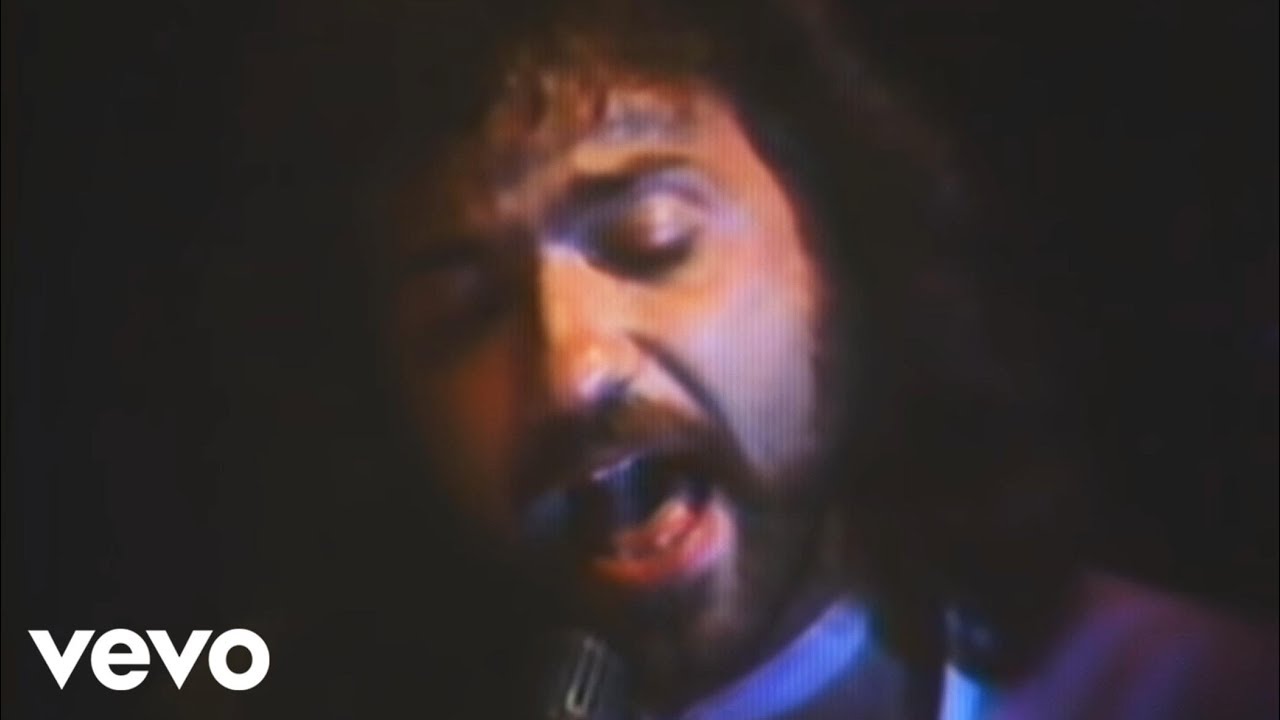






Styx – Come Sail Away
Released On The Luckiest Day They Could Find
Released on July 7, 1977, “Come Sail Away” peaked at number eight on the Billboard Hot 100 in January 1978 and spent 22 weeks on the chart. The track also reached number nine in Canada and number nine on the Cash Box chart. It appeared on Styx’s seventh studio album The Grand Illusion, which was intentionally released on 7-7-77 for luck. The album reached number six on the Billboard 200 and spent an epic 127 weeks on the chart, eventually earning triple platinum certification with over three million copies sold in the United States. Dennis DeYoung wrote the song while depressed after their previous two albums sold fewer units than expected, wondering if Styx would ever become headliners instead of perpetual opening acts.
The single competed during the height of disco domination, with Player’s Baby Come Back holding the number one position when Come Sail Away peaked. The follow-up single Fooling Yourself reached number 29, giving the album two Top 30 hits that propelled Styx from solid regional act to arena rock headliners. The album changed everything for a band that had spent years opening for Kiss, Aerosmith, Rush, Foghat, and Bob Seger. DeYoung later recalled standing backstage with drummer John Panozzo after finishing their opening set for Kiss, looking at all the enormous equipment and asking if this would ever happen for them. Those backstage moments of yearning made their way directly into the song.
DeYoung married the metaphor of sailing away with actual sailing after Styx took their first trip to Hawaii in winter 1977. The beauty of the islands struck him deeply, then he returned home to Chicago during one of the worst snowstorms in the city’s history with snow piled everywhere. The contrast between tropical paradise and frozen Midwest winter crystallized his feeling of wanting to be somewhere better, to go someplace and be the captain. The religious imagery of angels singing songs of hope evolved into something more cosmic when DeYoung added the twist about angels actually being aliens climbing aboard a starship. He later explained the sci-fi ending wasn’t planned but emerged organically while writing, influenced by Star Wars releasing just a month before the album.
The track was recorded in early 1977 at Paragon Recording Studios in Chicago, with the band collectively producing under the simple credit Produced by Styx. Engineers Barry Mraz and Rob Kingsland captured the performance, which featured DeYoung on vocals and keyboards, Tommy Shaw and James Young on guitars and backing vocals, Chuck Panozzo on bass, and John Panozzo on drums. The arrangement deliberately mirrors the structure of their 1975 breakthrough single Lady, starting with a plaintive piano ballad before exploding into bombastic guitar-heavy rock. The minute-long synthesizer break in the middle became characteristic of progressive rock radio, with DeYoung’s Oberheim Four Voice creating the unique tone that dominated the Styx sound throughout the late seventies.
Cash Box praised how a solitary voice introduces the melody to light piano accompaniment before the pure fury of the drum, guitar and vocal explosion pleasantly startles expectations. Record World called the melody most appealing and said the message of escape seemed just right for the spirit of the seventies. The band had been together for years before this breakthrough, starting when DeYoung teamed up with his thirteen-year-old neighbors Chuck and John Panozzo in 1962 when he was fifteen. They played weddings, anniversaries, and parties for older crowds, performing music from the thirties through fifties while slowly morphing into a rock band. DeYoung even worked as an elementary school music teacher in south suburban Chicago while waiting for success.
The track appeared in trailers and television spots for films including Atlantis The Lost Empire, The Wild, and Big Daddy. South Park featured Eric Cartman obsessively singing it, introducing the song to younger generations who recognized it from the cartoon before knowing it was a classic rock standard. It appeared in Freaks and Geeks and the animated film My Little Pony The Movie. The song closes Styx’s main set every night with cosmic bombast, often featuring cannons releasing confetti into the audience from both sides of the stage if the venue allows it. Malcolm Dome of Classic Rock rated it as one of the all time great power ballads and Styx’s seventh greatest song overall.
For a song written during depression about perpetual disappointment and yearning to be somewhere better, it became the vehicle that finally transported Styx to exactly where they wanted to be. The question DeYoung asked while standing backstage watching Kiss set up their massive show got answered definitively when Come Sail Away made Styx into headliners themselves. Sometimes the songs about wanting to sail away are the ones that actually get you there, proving that metaphors work best when they’re born from genuine longing rather than calculated commercial positioning.
Related videos
 Watch LaterAdded
03:21
Watch LaterAdded
03:21  Watch LaterAdded
03:05
Watch LaterAdded
03:05  Watch LaterAdded
04:48
Watch LaterAdded
04:48