




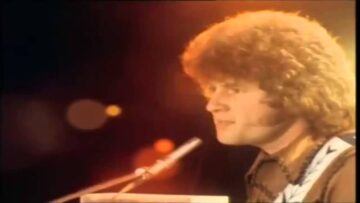
Glenn Frey – The Heat Is On
When Fifteen Thousand Dollars Bought A Career
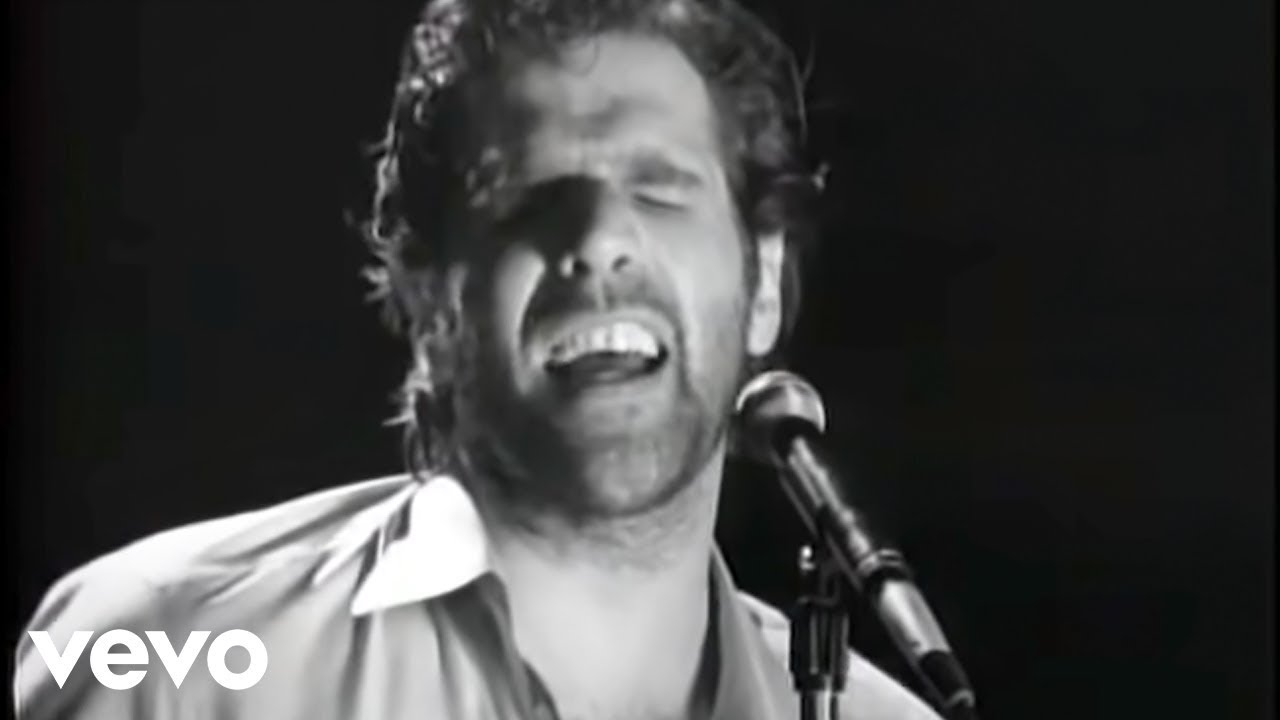
Glenn Frey released “The Heat Is On” in November 1984 as part of the Beverly Hills Cop soundtrack, and he almost didn’t bother showing up. When his manager Irving Azoff invited him to an advance screening, Frey walked into a room packed with Stevie Wonder, the Pointer Sisters, and every other major artist MCA Records could reach. The competition looked impossible. Two months later, Frey received a demo from Harold Faltermeyer and Keith Forsey asking if he’d sing their song. He knocked out vocals in one session, returned the next day for guitar and backing tracks, collected $15,000, and walked away thinking it was decent Christmas money. The track hit number two on the Billboard Hot 100 in March 1985, blocked from the top only by REO Speedwagon’s “Can’t Fight This Feeling.” It spent 20 weeks on the chart and gave Frey his first solo Top 10 hit after years of modest post-Eagles success.
The chart performance revealed how 1980s soundtracks could manufacture hits overnight. The song peaked at number four on the Mainstream Rock chart and number 36 on Adult Contemporary, demonstrating crossover appeal that helped push the Beverly Hills Cop soundtrack to number one for two weeks and double platinum certification. In Australia, it reached number one for a week in May 1985. The UK embraced it more cautiously, peaking at number 12, making it the highest-charting solo single by any Eagles member in America but not matching that dominance internationally. The success validated MCA’s strategy of auditioning multiple artists for soundtrack slots, though Frey later admitted he’d thought the process beneath rock stars until the results proved otherwise. By 1985, he’d learned what Don Henley already knew: solo careers required swallowing pride and taking opportunities wherever they appeared.
Faltermeyer and Forsey wrote the song specifically for Eddie Murphy’s high-octane cop thriller, crafting lyrics about pressure and risk that mirrored Axel Foley’s undercover Detroit swagger transplanted to Beverly Hills. The phrase meant being under intense scrutiny during heightened activity, perfectly capturing the film’s fish-out-of-water tension. Frey hadn’t written the material, but his Detroit roots connected him to Murphy’s character in ways the filmmakers recognized. Born November 6, 1948, and raised in Royal Oak, Michigan, Frey played in high school bands like the Subterraneans before relocating to Los Angeles in the late 1960s. He’d roomed with Jackson Browne to split rent, met Don Henley at the Troubadour in 1970, and co-founded the Eagles in 1971. By 1984, the Eagles had been broken up for four years following their 1980 split, and Frey was rebuilding from scratch.
Recording at Giorgio Moroder Studios in Los Angeles happened fast. Faltermeyer had already laid down instrumental tracks before Frey arrived. The producers emphasized rapid turnaround to meet the film’s December release deadline, and Frey delivered exactly what they needed: confident vocals that balanced slickness with street credibility. He convinced Faltermeyer and Forsey to let him add a guitar solo the second day, claiming he often played solos on Eagles songs even though he rarely did. They liked the result and kept it. The iconic saxophone riff that hooks listeners from bar one came from session musician David Woodford, known for work with Aerosmith, Rod Stewart, and Chris Isaak. Beverly Dahlke-Smith mimed the sax part in the video, fooling audiences for years about who actually played the memorable line that frames the track.
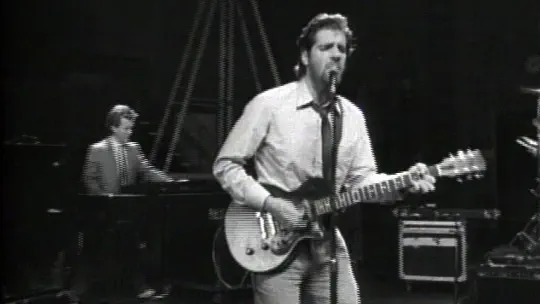
The MTV video pioneered the technique of intercutting performance footage with movie clips, showing Frey and his band in a studio adjacent to a film editor assembling Beverly Hills Cop scenes. Action sequences from the movie interspersed throughout, with Eddie Murphy’s iconic laugh and high-speed chases selling both the song and the film simultaneously. The video featured Frey’s longtime drummer Michael Huey and Dahlke-Smith on sax, creating the illusion of a live band recording. MTV played it constantly, understanding that putting Eddie Murphy on television in 1984 never hurt ratings. The synergy between film and soundtrack became a template for 1980s blockbusters, proving that properly placed original songs could generate massive hits while promoting movies.
The song’s influence extended beyond charts into cultural saturation. Sports teams adopted it as their pressure anthem, with the St. Louis Cardinals, New York Mets, and Ottawa Senators NHL team playing it during home games to intimidate visiting opponents. Political campaigns used it, including British Columbia Liberal Party member Kash Heed making it his victory theme in 2009. The 2011 film 30 Minutes or Less featured it during a car chase, decades after the original. When Beverly Hills Cop: Axel F launched on Netflix in 2024, the song played over the opening credits as Murphy navigated Detroit in his signature Chevy Nova, introducing it to new generations who’d never seen the 1984 original. The track appeared on Frey’s live album in 1993 and his Solo Collection compilation in 1995, remaining a concert staple until his final shows.
Frey’s soundtrack success continued with “You Belong to the City,” co-written with Jack Tempchin for Miami Vice, which also peaked at number two in 1985. He’d mastered the art of making audiences believe he was caught in the action, whether Detroit cops or Miami vice squads. The Eagles reunited in 1994 for their Hell Freezes Over tour, with Frey and Henley co-writing new material and touring through 2015. Health problems forced postponement of the Kennedy Center Honors scheduled for December 2015. On January 18, 2016, Frey died at Columbia University Medical Center from complications of rheumatoid arthritis, acute ulcerative colitis, and pneumonia following intestinal surgery. He was 67. His son Deacon joined the Eagles alongside Vince Gill in 2017, keeping his father’s music alive on stage. A life-sized statue was unveiled in Winslow, Arizona, in September 2016 honoring his contributions to “Take It Easy,” and a road next to his Royal Oak middle school bears his name. “The Heat Is On” remained the song that proved Glenn Frey could succeed outside the Eagles, that $15,000 and two days in the studio could buy a second act, and that sometimes the gigs you almost skip become the ones that define you.
SONG INFORMATION
Chart Performance: No. 2 in US, No. 4 on US Mainstream Rock, No. 36 on US Adult Contemporary, No. 1 in Australia, No. 12 in UK, Soundtrack album reached No. 1 (2 weeks), Double Platinum