


![The Score – Revolution: Lyrics [Assassins Creed: Unity]](https://musicvideosclub.com/wp-content/uploads/2025/10/the-score-revolution-lyrics-assa-360x203.jpg)






![The Dead South – You Are My Sunshine [Official Music Video]](https://musicvideosclub.com/wp-content/uploads/2026/01/the-dead-south-you-are-my-sunshi-360x203.jpg)

![Sister Sledge – Hes the Greatest Dancer (Official Music Video) [4K]](https://musicvideosclub.com/wp-content/uploads/2025/09/sister-sledge-hes-the-greatest-d-360x203.jpg)



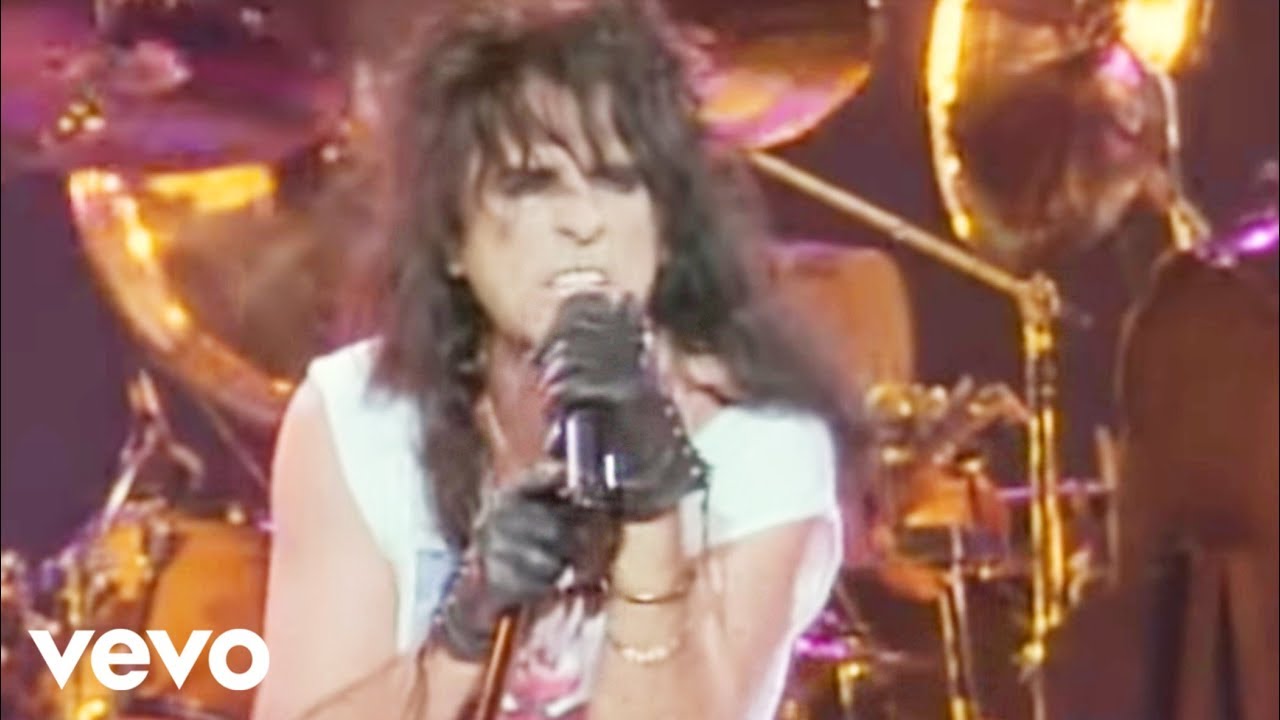
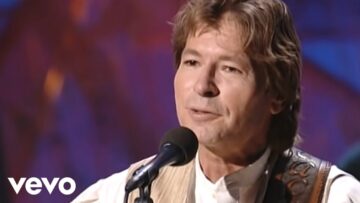
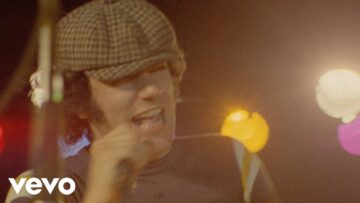
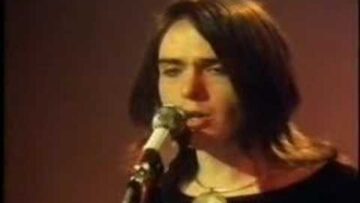
Alice Cooper – No More Mr. Nice Guy
When Reverend Smith Punched Alice In The Face
Alice Cooper released “No More Mr. Nice Guy” in March 1973 as the third single from their sixth studio album Billion Dollar Babies. The track crashed into the Billboard Top 40, peaking at number 25 in the US while climbing to number 10 in the UK, spending 10 weeks on the British charts. The single helped propel Billion Dollar Babies to number one in both countries, becoming the band’s first and only chart-topping album. The song became a set list staple that Cooper would perform over 2,500 times throughout his career, outlasting the original band lineup by decades.
Billion Dollar Babies dominated 1973, spending multiple weeks at number one and spawning four hit singles including “Elected,” “Hello Hooray,” the title track, and “No More Mr. Nice Guy.” In the UK, where Cooper-mania reached fever pitch, all three singles hit the top 10. The album achieved Gold certification in March 1973 and went Platinum in 1986. The record topped charts in Australia, Austria, and Canada while cementing Alice Cooper as genuine superstars rather than carnival freaks. Cooper told interviewers they titled the album as a joke about their sudden success, making fun of themselves after being dismissed as flavor of the month just a year earlier.
Guitarist Michael Bruce composed the music several years before recording, holding onto it since the Killer sessions because it didn’t fit those earlier albums. Cooper rewrote Bruce’s original love song lyrics to address the band’s controversial public image and media criticism. The rewritten version told an autobiographical story about Cooper trying to attend church incognito only to get punched in the face by Reverend Smith who recognized him despite the disguise. Cooper told Ultimate Classic Rock in 2018 that people didn’t know whether to hate or love the band at that point, but he was definitely the worst person ever to the general public. The song became his declaration that the gloves were off.
Producer Bob Ezrin helmed the sessions recorded at three locations between August 1972 and January 1973. Initial tracking happened at the Galesi Estate in Greenwich, Connecticut, dubbed The Cooper Mansion, where the band lived together surrounded by their newfound wealth including drummer Neal Smith’s Rolls-Royce. Additional work took place at Morgan Studios in North London during December 1972, with final overdubs at Record Plant in New York through January 1973. The band lineup featured Cooper on vocals, Glen Buxton on lead guitar, Michael Bruce on rhythm guitar and keyboards, Dennis Dunaway on bass, and Neal Smith on drums. Ezrin aimed for a more polished sound while maintaining Cooper’s signature hard rock edge.
The album sessions at Morgan Studios attracted famous visitors including Marc Bolan, Harry Nilsson, Keith Moon, Rick Grech, and Ringo Starr, who joined the band for an hour-long version of “Jailhouse Rock” that never made it to vinyl. Only Donovan, recording next door, actually appeared on the album, reciting lyrics alongside Cooper on the title track. Drummer Neal Smith later explained the song represented a good combination between their dark side and commercial appeal. The upbeat pop-rock arrangement featured an irresistible sing-along chorus that helped its chart fortunes despite the controversial subject matter. The B-side “Raped and Freezin'” continued the album’s provocative themes.
Megadeth covered the song for the 1989 horror film Shocker, releasing it as a single in January 1990 that charted in Ireland and the UK. The cover became the only recorded material by Megadeth as a trio with newcomer Nick Menza on drums, later appearing on their 1995 compilation Hidden Treasures. Pat Boone ironically covered it for his 1997 album In a Metal Mood: No More Mr. Nice Guy, while Roger Daltrey, Slash, and others recorded it for the 1999 tribute album Humanary Stew. The song appeared in films including Dazed and Confused and Dark Shadows, plus TV shows The Simpsons, Family Guy, and Ash vs Evil Dead. Cooper rerecorded it for the 2010 video game Guitar Hero: Warriors of Rock.
Looking back decades later, the irony wasn’t lost on anyone that Alice Cooper became one of rock’s most grounded personalities. The shock rocker who scared church groups and nervous mothers transformed into an avid golfer, a born-again Christian, and a respected elder statesman of rock. But in 1973, this song represented Cooper embracing his villain status rather than apologizing for it. As he declared in interviews, he’d been called the Antichrist and everything else imaginable, so he figured he might as well lean into it. The song remains a defiant middle finger to moral panic, a reminder that sometimes the best response to outrage is to turn up the volume and refuse to play nice.
SONG INFORMATION
Related videos
 Watch LaterAdded
04:12
Watch LaterAdded
04:12  Watch LaterAdded
04:00
Watch LaterAdded
04:00  Watch LaterAdded
02:32
Watch LaterAdded
02:32