




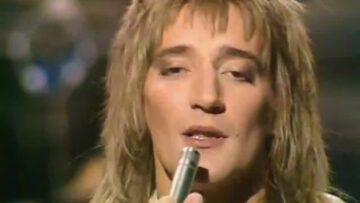

Peter Fampton – Do You Feel Like We Do (Live – Oakland, July 2, 1977)
The Twenty-Four Minute Marathon That Closed Every Show
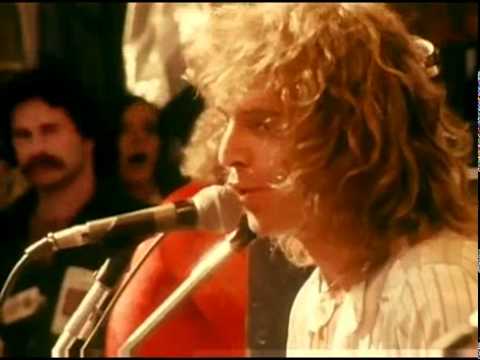
Recorded live at Oakland Coliseum Stadium on July 2, 1977, as part of Bill Graham’s Day on the Green series, this performance of “Do You Feel Like We Do” captured Peter Frampton at the absolute peak of his fame. The show co-headlined with Lynyrd Skynyrd and featured Santana and the Outlaws, drawing a massive audience to witness Frampton’s extended guitar explorations. The song peaked at number ten on the Billboard Hot 100 when released as a single in September 1976, edited down to 7:19 from the original 14:15 album version on Frampton Comes Alive! The single became one of the longest songs to reach the American top ten, surpassing The Beatles’ “Hey Jude” at 7:11. The Oakland performance stretched even longer at 24 minutes, featuring extensive talk box solos and call-and-response sections with the audience that made it the centerpiece of every Frampton concert.
The song became the defining moment of Frampton Comes Alive!, which spent ten weeks at number one on the Billboard 200 and became the best-selling album of 1976, eventually selling eight million copies in the United States and eleven million worldwide. The talk box guitar effect became strongly associated with Frampton when it was heard on this track and “Show Me the Way”, transforming him into a household name virtually overnight. By July 1977, Frampton was riding the crest of unprecedented fame, having been invited to the White House by President Gerald Ford, appearing shirtless on the cover of Rolling Stone in a Francesco Scavullo photo, and watching Frampton Comes Alive! beat Fleetwood Mac’s self-titled album to become 1976’s top seller. The Oakland performance captured the moment before everything started unraveling with the rushed followup album I’m in You and ill-advised decisions like co-hosting the 1977 Rock Music Awards with Olivia Newton-John.
Frampton had performed this song at Bill Graham’s Winterland Ballroom on June 14, 1975, when the live version that appeared on Frampton Comes Alive! was recorded. That night was Frampton’s first headline show in San Francisco after years of opening for J. Geils Band, ZZ Top, and others while building a strong live following despite modest album sales and singles that failed to chart. The Oakland return two years later found Frampton performing for 65,000 people with his name on the ticket, the culmination of extensive American touring that had transformed the song from a six-minute, 44-second studio track on 1973’s Frampton’s Camel into a marathon showcase for his guitar virtuosity and stage presence. The song was written with members of Frampton’s band during the early 1970s, with co-writing credits going to Frampton, Mick Gallagher, John Siomos, and Rick Wills.
The Oakland performance featured Frampton on lead vocals and guitar with the talk box effect, Bob Mayo on rhythm guitar and keyboards, Stanley Sheldon on bass, and John Siomos on drums. The concert was filmed and locked away in Bill Graham’s archives until Wolfgang’s Vault released Day on the Green 1977 decades later. Frampton encouraged massive audience participation during the extended call-and-response section between his talk box guitar and the crowd, with the Oakland audience clearly loving every moment. The improvisational nature added heavier elements as the song progressed, with Frampton’s guitar work demonstrating why he’d earned respect from everyone from George Harrison to David Bowie. Although others like Jeff Beck and Joe Walsh had explored the talk box, Frampton epitomized its use, and by 1977 it had become his signature gimmick despite some critics calling it a crutch.
The song appeared as the closing number on Frampton Comes Alive!, the double album released January 6, 1976, that debuted at number 191 before steadily climbing to number one on April 10. The album stayed on the Billboard 200 for 97 weeks, with 55 of those in the top forty, and was voted Album of the Year in the 1976 Rolling Stone readers’ poll. It produced three hit singles with “Show Me the Way” reaching number six, “Baby, I Love Your Way” hitting number twelve, and this track peaking at number ten. The album was released at a reduced price of $7.98, only one dollar more than standard single-disc albums, and pressed in automatic sequence to facilitate listening on record changers. The oddly-titled B-side “Penny for Your Thoughts” was the shortest track on Frampton Comes Alive! at 1:23, making the contrast even more striking.
The song has rarely been covered due to its length and Frampton’s distinctive talk box performance, though Warren Haynes recorded a version for the iTunes deluxe edition of Frampton Comes Alive! and Tesla covered it for their 2007 album Real to Reel, Vol. 2. The track appeared in Guitar Hero 5 and as downloadable content in Rock Band 3, introducing it to new generations. Frampton continued closing his concerts with this song throughout his career, including his farewell tour after being diagnosed with inclusion body myositis. His 2011 Frampton Comes Alive 35th Anniversary Tour followed the original setlist exactly, starting each show with the prerecorded voice of Jerry Pompili saying “If there was ever a musician that was an honorary member of San Francisco society, Mr. Peter Frampton,” recreating the magic of those 1975 and 1976 nights.
“Do You Feel Like We Do” remains Peter Frampton’s signature song and the perfect encapsulation of mid-1970s stadium rock excess. The 24-minute Oakland performance captured Frampton at a crossroads, moments before the machinery of fame would chew him up and spit him out, rushing him into poor decisions that scuttled a career that had taken most of his life to build. Chronicle music critic Joel Selvin wrote after Frampton’s April 1976 Day on the Green performance that not even the most ardent Frampton admirer could have foreseen his reception, describing crowds holding pin-drop still for acoustic instrumentals and transforming into seas of waving arms at his modest encouragement. The song that started as a lightweight studio track became the vehicle for Frampton’s greatest triumphs and a reminder that sometimes the moments that feel like they’ll last forever are the ones that disappear the fastest.
SONG INFORMATION
Related videos
 Watch LaterAdded
05:25
Watch LaterAdded
05:25 ![twenty one pilots: Stressed Out [OFFICIAL VIDEO]](https://musicvideosclub.com/wp-content/uploads/2024/09/twenty-one-pilots-stressed-out-o-360x203.jpg) Watch LaterAdded
03:46
Watch LaterAdded
03:46  Watch LaterAdded
05:54
Watch LaterAdded
05:54