


![The Score – Revolution: Lyrics [Assassins Creed: Unity]](https://musicvideosclub.com/wp-content/uploads/2025/10/the-score-revolution-lyrics-assa-360x203.jpg)




![The Dead South – You Are My Sunshine [Official Music Video]](https://musicvideosclub.com/wp-content/uploads/2026/01/the-dead-south-you-are-my-sunshi-360x203.jpg)

![Sister Sledge – Hes the Greatest Dancer (Official Music Video) [4K]](https://musicvideosclub.com/wp-content/uploads/2025/09/sister-sledge-hes-the-greatest-d-360x203.jpg)
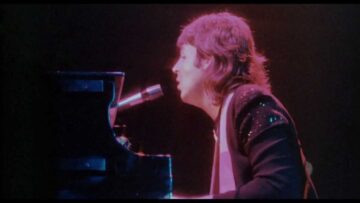
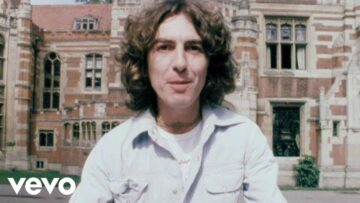


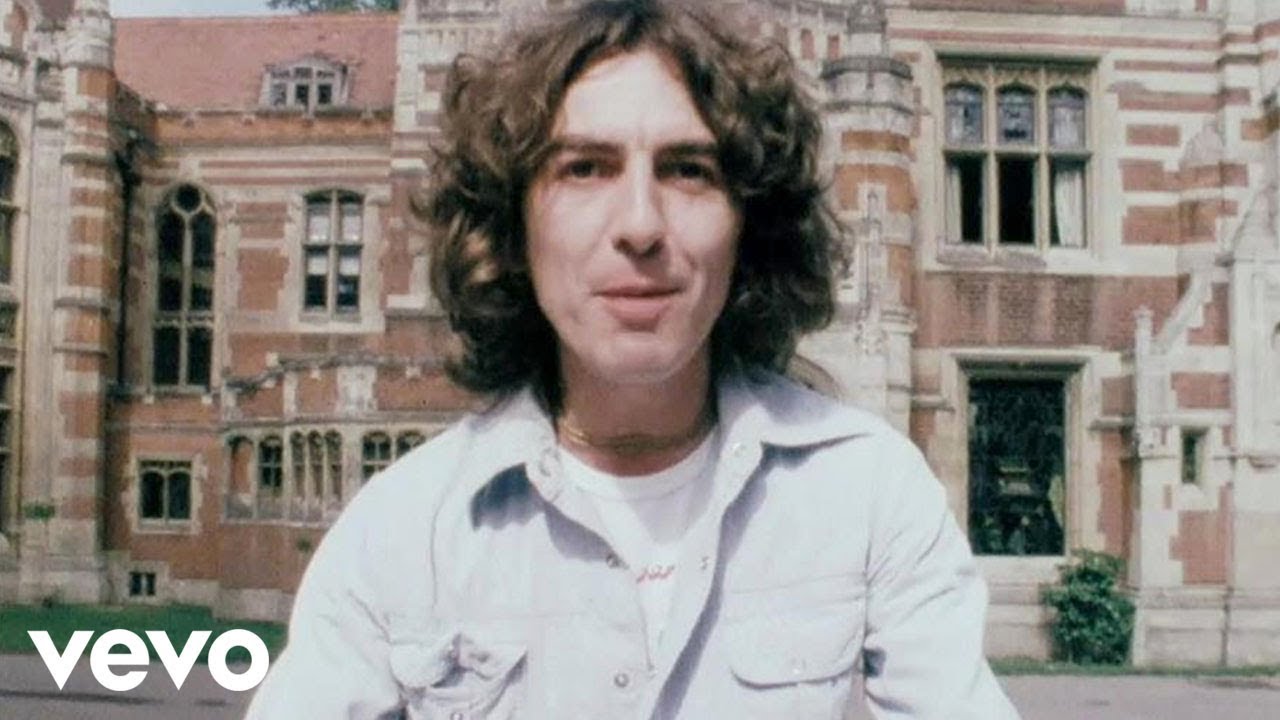
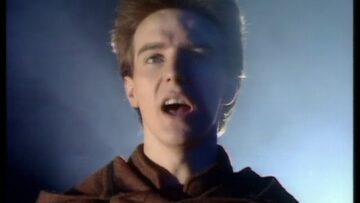

George Harrison – Crackerbox Palace
Written On The Back Of A Cigarette Pack
Released in January 1977, “Crackerbox Palace” climbed to number 19 on the Billboard Hot 100 and spent seven weeks on the chart. It reached number 17 on the Cash Box Top 100 and number 20 on the Adult Contemporary chart. The single marked George Harrison’s return to the top 20 after years of commercial and personal struggles, and became one of his most lighthearted solo recordings. Harrison had scribbled the title on a cigarette pack at a music festival in France after meeting the former manager of his favorite comedian, a man who’d been dead for sixteen years.
The track performed modestly in comparison to Harrison’s earlier solo work like “My Sweet Lord” and “Give Me Love”, but it succeeded where his previous two albums had failed commercially. The single from Thirty Three & 1/3 outperformed material from the darker Extra Texture and Dark Horse albums. In the United Kingdom, the song was only released as a single in the United States, though the album itself reached number 35 on the UK Albums Chart. The song’s reggae-influenced arrangement and whimsical lyrics about childhood innocence stood in stark contrast to the heavy spiritual themes and legal battles that had dominated Harrison’s recent work.
At the Midem Music Festival in Cannes in January 1976, Harrison told a stranger he resembled Lord Buckley, a hip comedian who had been very important to Harrison during the 1960s. The man nearly fell over and replied that he’d managed Buckley for eighteen years. George Greif then told Harrison about Buckley’s old beaten-up house in Los Angeles, which the comedian had called Crackerbox Palace. Harrison loved the phrase so much he wrote it down on the back of his cigarette packet. Lord Buckley had died in November 1960 under controversial circumstances after New York police confiscated his cabaret card, allegedly for a 1941 marijuana arrest. Harrison had cited Buckley as his favorite comedian in interviews, admiring the way Buckley blended aristocratic bearing with hipster slang and jazz rhythms.
Recording for Thirty Three & 1/3 took place throughout 1976 with Harrison producing the album himself for his Dark Horse Records label. Tom Scott provided saxophone and Lyricon parts, while Richard Tee played electric piano and Emil Richards added marimba. Willie Weeks handled bass guitar and Alvin Taylor played drums, with Harrison contributing vocals, electric and acoustic guitar, synthesizer, and handclaps. The track ran 3 minutes 59 seconds and featured Harrison attempting a reggae feel, which he later admitted was harder than it appeared. The album was recorded during a period when Harrison was rebuilding his career and his life, having recently begun his relationship with Olivia Arias, who would become his second wife in 1978.
“Crackerbox Palace” appeared as the ninth track on Thirty Three & 1/3, which was released in November 1976 and became Harrison’s most successful album since Living in the Material World in 1973. The album’s first single, “This Song”, satirized Harrison’s copyright lawsuit over “My Sweet Lord” and reached number 25 in the US. The album marked what critics called a return to form for Harrison after the commercial disappointment of his previous releases. Rolling Stone’s Greg Kot later wrote that Crackerbox Palace had a twinkle in its eye, the kind of song that had previously eluded the increasingly self-serious Harrison, and that the tune’s melodic sweep was nearly matched by “This Song”.
The song spawned one of the earliest conceptual promotional films in rock music, predating MTV by five years. Monty Python’s Eric Idle directed the whimsical video at Harrison’s Friar Park estate in Henley-on-Thames in October 1976. The surreal production featured Neil Innes pushing Harrison in a baby carriage, future wife Olivia Arias in costume, garden gnomes played by actors, and appearances by Eric Idle himself. The video premiered on Saturday Night Live on November 20, 1976, during Harrison’s only appearance on the show, which achieved the highest ratings SNL had seen at that point. Harrison split musical guest duties with host Paul Simon that night, and the two performed “Here Comes the Sun” and “Homeward Bound” together.
Harrison’s friendship with Monty Python began in the early 1970s and deepened throughout the decade, eventually leading him to finance their 1979 film Life of Brian after EMI backed out. The title confused many fans who believed Harrison was singing about his own eccentric mansion, Friar Park, which Sir Frank Crisp had built and which featured odd plaques, gargoyles, and over sixty acres of unusual gardens. In his 1980 memoir I, Me, Mine, Harrison explained that he’d turned the physical Crackerbox Palace into a metaphor for the world itself, with the lyrics welcoming a newborn child to this strange and paradoxical place. He described the world as very serious and at times very sad, but also such a joke. The song’s double meaning extended to the line about the Lord being well and inside of you, which referenced both Lord Buckley and Harrison’s own Hindu spirituality regarding the Paramatma, the expansion of the Supreme Lord present in all hearts.
SONG INFORMATION
Related videos
 Watch LaterAdded
 Watch LaterAdded
 Watch LaterAdded
03:34
Watch LaterAdded
03:34