




Limahl – Never Ending Story
The Voice You Hear Isn’t The Woman In The Video
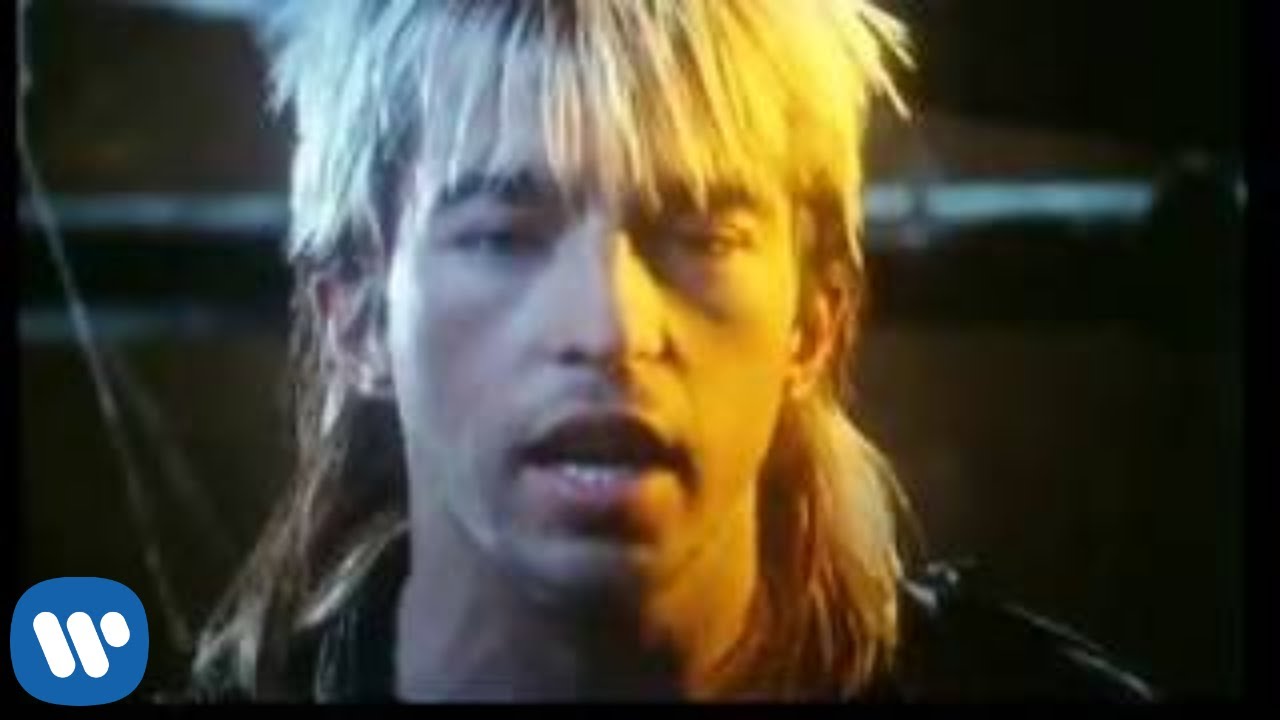
Released in 1984 as the theme song for Wolfgang Petersen’s fantasy film The NeverEnding Story, “Never Ending Story” became former Kajagoogoo frontman Limahl’s biggest solo hit. The track topped charts in Norway, Spain, and Sweden, reached number four in the UK where it spent fourteen weeks charting, peaked at number two in Austria, West Germany, and Italy, and climbed to number six on the US Billboard Adult Contemporary chart. But here’s the twist that fooled millions: the ethereal female voice weaving through the chorus belongs to American singer Beth Andersen, who recorded her vocals separately in the United States and never met Limahl during the sessions. The woman lip-syncing those parts in the iconic music video is actually Mandy Newton, one of Limahl’s regular backup singers, creating one of the 1980s’ most successful cases of mistaken identity.
The song conquered international markets with remarkable efficiency, hitting number seventeen on the Billboard Hot 100 and number ten on the Dance Club Songs chart in America. In Germany alone, it peaked at number two and became one of the year’s biggest sellers. The extended version clocked in at over five minutes, while radio stations hammered the three-minute-thirty-one-second edit into permanent brain residence for anyone alive in 1984. The track arrived during the height of synth-pop’s dominance, when Giorgio Moroder’s electronic soundscapes ruled airwaves and movie soundtracks generated as many hits as albums. Limahl’s stage name, an anagram of his real surname Hamill, became globally recognizable overnight, though he’d been unceremoniously booted from Kajagoogoo just months after their breakthrough hit “Too Shy” topped UK charts in 1983.
The song almost went to Yugoslav singer Daniel, who’d represented his country at the Eurovision Song Contest 1983, but Moroder ultimately chose Limahl for the lead. Keith Forsey wrote lyrics that deliberately mirrored the film’s themes of imagination and infinite possibility, crafting lines like “rhymes that keep their secrets will unfold behind the clouds” that sounded mysterious without meaning much of anything specific. The fade-in opening and fade-out ending weren’t just production choices but conceptual mirrors of the story’s circular, infinite nature. Moroder, fresh off dominating disco with Donna Summer and redefining film soundtracks with “Flashdance… What a Feeling,” built the track on layers of synthesizers, programmed drums, and those distinctive windy sound effects that became instantly recognizable as 1980s fantasy shorthand.
Recording happened quickly at Moroder’s Munich studios, with Limahl admitting years later he wasn’t initially thrilled with the song when Moroder first played it for him. The vocal production showcased Limahl’s rich tenor against Andersen’s breathy harmonies, creating what Moroder intended as a magical, otherworldly duet. The irony wasn’t lost on anyone: the song’s English-language version, with its glossy synthesizers and pop sheen, never appeared in the German release of the film, which used Klaus Doldinger’s orchestral score exclusively. The filmmakers had worked tirelessly to create a timeless fantasy world untethered to any specific era, then watched as Moroder’s aggressively 1980s theme song became more famous than the movie itself in many markets.
“Never Ending Story” was quickly added to Limahl’s debut solo album Don’t Suppose, which arrived on EMI in late 1984, replacing the original track “The Greenhouse Effect” in later pressings. The album peaked at number sixty-three in the UK but failed to match the single’s international success. Limahl continued working with Moroder on his 1986 follow-up Colour All My Days, but lightning refused to strike twice. Only one song, “Love in Your Eyes,” barely scraped the UK Top 100, and the album vanished without charting. The singer would spend the next three decades as a nostalgia act, touring the oldies circuit and occasionally reuniting with Kajagoogoo for reality shows and one-off festival performances.
The song’s cultural impact extended far beyond its initial chart run. New Found Glory covered it on their 2000 EP From the Screen to Your Stereo, bringing punk energy to the synth-pop original. Shooter Jennings and Brandi Carlile recorded a country-tinged version for Jennings’ 2016 Giorgio Moroder tribute album Countach (For Giorgio). Danish teen-pop duo Creamy released a euro-pop version in 2000, while J-pop group E-Girls covered it in Japanese in 2013, debuting at number two on the Oricon weekly singles chart. The sequels spawned their own versions: Joe Milner sang it for The NeverEnding Story II closing credits, and Real Im-Pact created a rap version with new lyrics for The NeverEnding Story III.
Then came July 4, 2019, when Netflix released Stranger Things season three, featuring characters Dustin and Suzie singing the song as a romantic duet in the season finale. Within days, YouTube views of the original music video surged by 800 percent, while Spotify reported an 825 percent increase in streaming requests. Limahl, who hadn’t watched the series, learned about the scene from his nephews and expressed gratitude to Netflix for introducing the song to a new generation. The resurgence proved so powerful that ITV used an arrangement of it for their 2024 UEFA European Football Championship coverage. Sometimes a song dismissed as corny 1980s kitsch becomes timeless simply by surviving long enough for nostalgia to transform cheese into charm.
Related videos
 Watch LaterAdded
 Watch LaterAdded
05:45
Watch LaterAdded
05:45 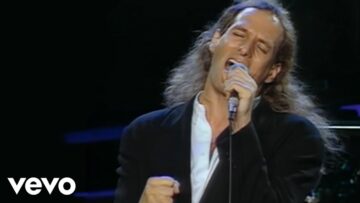 Watch LaterAdded