



![The Score – Revolution: Lyrics [Assassins Creed: Unity]](https://musicvideosclub.com/wp-content/uploads/2025/10/the-score-revolution-lyrics-assa-360x203.jpg)







![The Dead South – You Are My Sunshine [Official Music Video]](https://musicvideosclub.com/wp-content/uploads/2026/01/the-dead-south-you-are-my-sunshi-360x203.jpg)



![Sister Sledge – Hes the Greatest Dancer (Official Music Video) [4K]](https://musicvideosclub.com/wp-content/uploads/2025/09/sister-sledge-hes-the-greatest-d-360x203.jpg)











![Fleetwood Mac – Gypsy (Official Music Video) [HD]](https://musicvideosclub.com/wp-content/uploads/2025/10/fleetwood-mac-gypsy-official-mus-360x203.jpg)
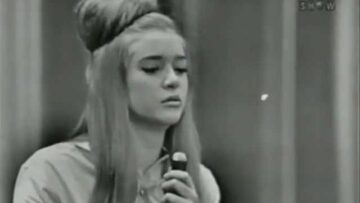
The Shangri-Las – Leader Of The Pack
They Drove A Motorcycle Through The Hotel Lobby
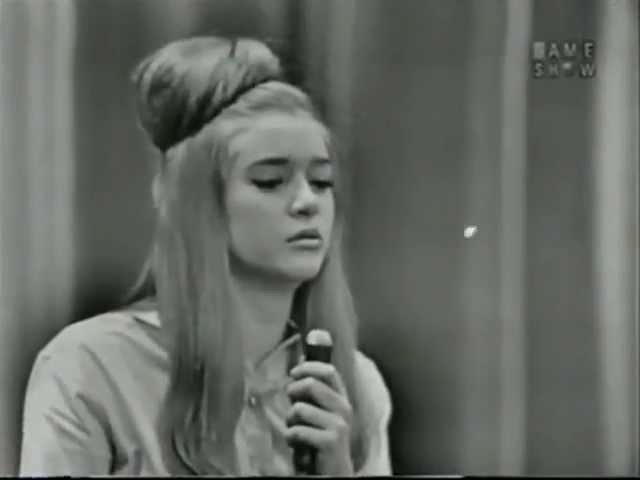
The Shangri-Las released “Leader Of The Pack” on September 20, 1964, as the follow-up to their breakout hit “Remember (Walkin’ In The Sand).” The single debuted at number 86 on the Billboard Hot 100 on October 10, 1964, and rocketed to number one just seven weeks later on November 28, dethroning The Supremes’ “Baby Love” after its four-week reign. The track spent one week at the summit before being replaced by Lorne Greene’s “Ringo.” It also reached number 8 on the Cash Box R&B chart and hit number one in Australia, cementing The Shangri-Las as the bad girls of the girl group era.
The song charted three separate times in the UK, a testament to its enduring appeal. The BBC initially refused airplay, probably due to the death theme, though some speculated it might encourage violence between mods and rockers. Despite the ban, it reached number 11 in 1965. When the BBC lifted the ban, a 1972 reissue peaked at number 3, followed by another reissue hitting number 7 in 1976 when sales figures from two different labels were combined. The single spent 12 weeks on the Billboard Hot 100 and became one of the most recognizable teenage tragedy songs ever recorded. Rolling Stone ranked it number 447 on their 500 Greatest Songs of All Time in 2004.
Producer George “Shadow” Morton wrote the song with Jeff Barry and Ellie Greenwich, though Morton claimed he’d originally intended it for another group called The Goodies. Red Bird Records needed a quick follow-up to capitalize on The Shangri-Las’ momentum, so Morton repurposed the track. The story tells of Betty, a girl whose parents disapprove of her boyfriend Jimmy, leader of a motorcycle gang. She breaks up with him at their insistence, and Jimmy races off on his bike and crashes to his death. Lead vocalist Mary Weiss later revealed she channeled her own teenage pain into the performance, noting that teenage years weren’t rosy for most people and the song’s dark side resonated deeply with young listeners.
Morton recorded the vocals with The Shangri-Las at Mira Sound Studios on the second floor of a Manhattan hotel in July 1964, with the instrumental parts previously tracked at Ultrasonic Recording Studios in Hempstead, New York. Pianist Artie Butler played on the session. To capture the authentic sound of a revving motorcycle engine, assistant engineer Joe Venneri’s motorcycle was reportedly driven through the hotel lobby and up to the recording studio floor. No one was arrested, but a ticket was issued. However, Mary Weiss later denied this story, claiming the motorcycle sound came from an effects record. The production featured dramatic elements including echo, reverb, and sound effects of the crash, creating a cinematic teenage opera that felt revolutionary for 1964.
The song appeared on the group’s debut album Leader Of The Pack, released in February 1965 on Red Bird Records. The album only reached number 109 on the US charts despite the group’s hit singles. The Shangri-Las consisted of two sets of sisters from Queens, New York: Mary and Betty Weiss, and twins Margie and Mary Ann Ganser. All teenagers when they recorded the album, they projected a tougher, more street-smart image than polished contemporaries like The Supremes or The Ronettes. They wore leather pants instead of skirts and sang about taboo subjects like death, sex, and bad boys. Other tracks on the album included covers of “Maybe,” “Shout,” and “Twist And Shout.”
The song’s influence extended far beyond the charts. The Damned borrowed the spoken intro for their 1977 punk classic “New Rose,” while Joe Jackson titled his breakthrough hit “Is She Really Going Out With Him?” after the song’s opening line. Artists from Twisted Sister to Bette Midler covered the track, with Twisted Sister’s 1985 heavy metal version reaching number 53 in the US. Later generations of artists including The Jesus And Mary Chain, Sonic Youth, Amy Winehouse, and Lana Del Rey cited The Shangri-Las as formative influences. A parody called “Leader Of The Laundromat” by The Detergents reached number 19 in early 1965, riding the original’s coattails.
Mary Weiss reflected years later on the emotional weight of performing the song, acknowledging she wouldn’t have been able to convey the feeling without deeply considering the lyrics. She channeled genuine pain into the recording, using the studio as a place to let it out. The group toured with rock acts like The Animals, Vanilla Fudge, and even performed with proto-punks The Sonics as their backing band, positioning themselves as rockers rather than typical girl group fare. Cash Box described the single as a heartbreaking production with sensational vocal and instrumental sounds. Despite their brief chart run between 1964 and 1966, The Shangri-Las endured as one of the gold standards of girl group music, proving that melodrama and motorcycles could create pop perfection.
SONG INFORMATION
Related videos
 Watch LaterAdded
04:11
Watch LaterAdded
04:11  Watch LaterAdded
 Watch LaterAdded
03:31
Watch LaterAdded
03:31